

 English
 中文简体
中文简体
 Español
 عربى
عربى

Specifications
| Manufacturing Aspect | Typical Standards & Details |
| Quality Management | ISO 9001, IATF 16949 Certification |
| Common Processes | Casting, Forging, Stamping, CNC Machining, Injection Molding |
| Tolerances | As tight as ±0.01mm for critical components |
| Material Testing | Spectroscopy, Tensile Strength, Hardness (Rockwell C) |
| Finishing Processes | Powder Coating, E-Coating, Zinc Plating, Anodizing |
| Production Capacity | Ranges from small-batch custom to millions of units/year |
| R&D Investment | Significant portion of revenue for technology advancement |
Applications
The output of auto parts manufacturing serves the entire global mobility industry. Primarily, it supplies assembly lines for new passenger cars, commercial trucks, motorcycles, and specialty vehicles. These are the OEM parts installed on brand-new vehicles. A parallel and massive application is the aftermarket, producing replacement parts for vehicle maintenance, repair, and collision restoration across the entire fleet of existing vehicles.
Furthermore, manufacturing caters to niche applications: performance and racing parts for motorsports enthusiasts, heavy-duty and reinforced parts for the off-road and commercial transport sectors, and custom parts for vehicle restoration and customization. The same fundamental manufacturing principles also apply to related industries like agricultural equipment, heavy machinery, and aerospace, where precision and reliability are paramount.
Advantages of Modern Manufacturing
- Precision and Consistency: Advanced machinery and robotics ensure every part is identical, guaranteeing reliable fit and performance.
- Material Innovation: Access to and expertise with advanced materials like high-strength steels, aluminum alloys, and composites for better performance and weight savings.
- Scalability: Processes are designed to efficiently produce from a few custom pieces to millions of units, balancing cost and quality.
- Integrated Quality Assurance: Quality checks are embedded throughout the production process, not just at the end, ensuring defects are caught early.
- Technological Agility: Adoption of technologies like additive manufacturing (3D printing) allows for rapid prototyping and complex geometries impossible with traditional methods.
- Cost-Effectiveness at Scale: Economies of scale make high-quality parts accessible for a wide range of vehicles and budgets.
Materials and Production Structures
The choice of material dictates the manufacturing process. Ferrous metals like cast iron and steel are shaped through casting (melting and pouring) or forging (compressing under high pressure), ideal for engine blocks and crankshafts. Non-ferrous metals like aluminum and magnesium are used for lightweight parts, often die-cast or forged. Plastics and polymers are formed through injection molding for dashboards, housings, and trim.
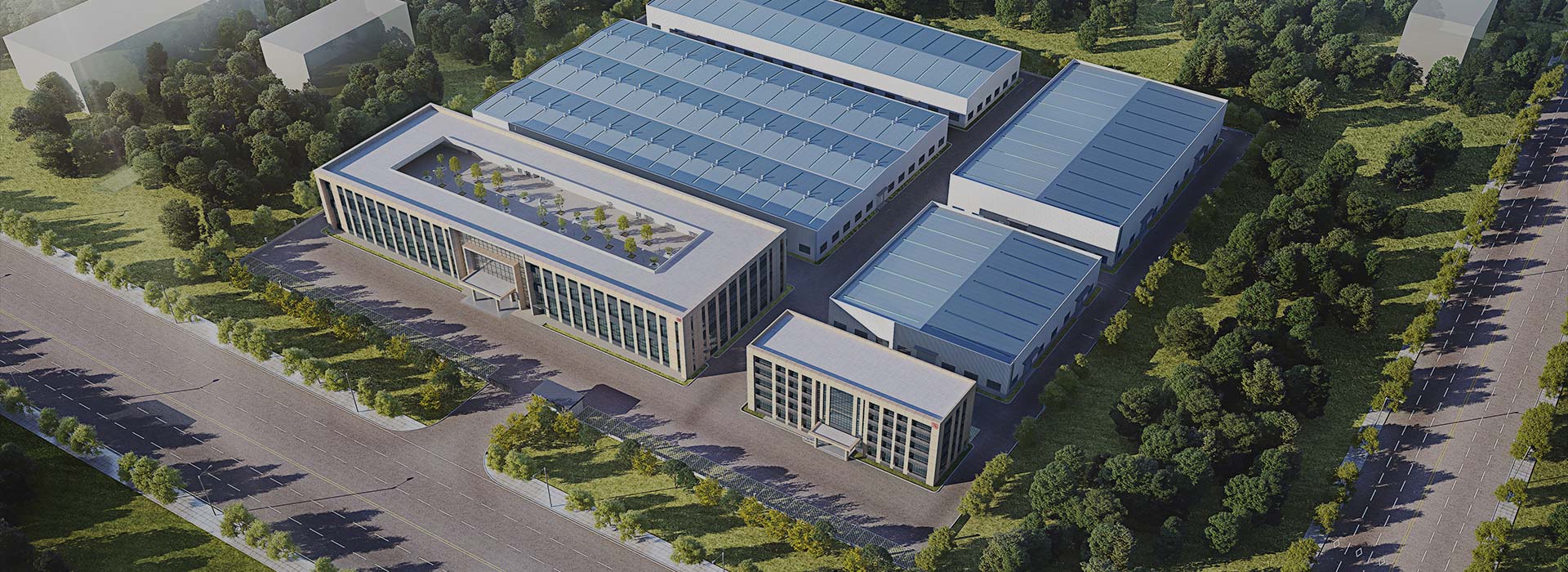
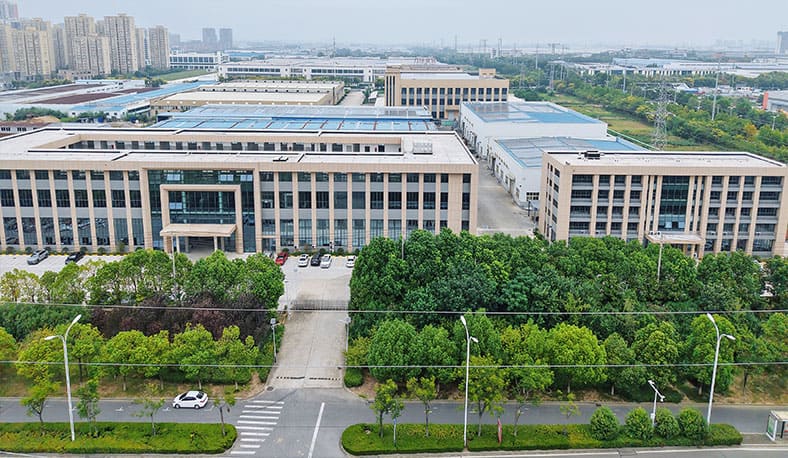
The factory structure is often a mix of dedicated production lines for high-volume parts and flexible CNC machining cells for lower-volume, high-precision components. Supply chains are global but integrated, with just-in-time delivery common in OEM plants. A modern manufacturing facility is a blend of skilled machinists, robotics technicians, and quality engineers, all supported by sophisticated Enterprise Resource Planning (ERP) software to manage the flow of materials and information.