

 English
 中文简体
中文简体
 Español
 عربى
عربى

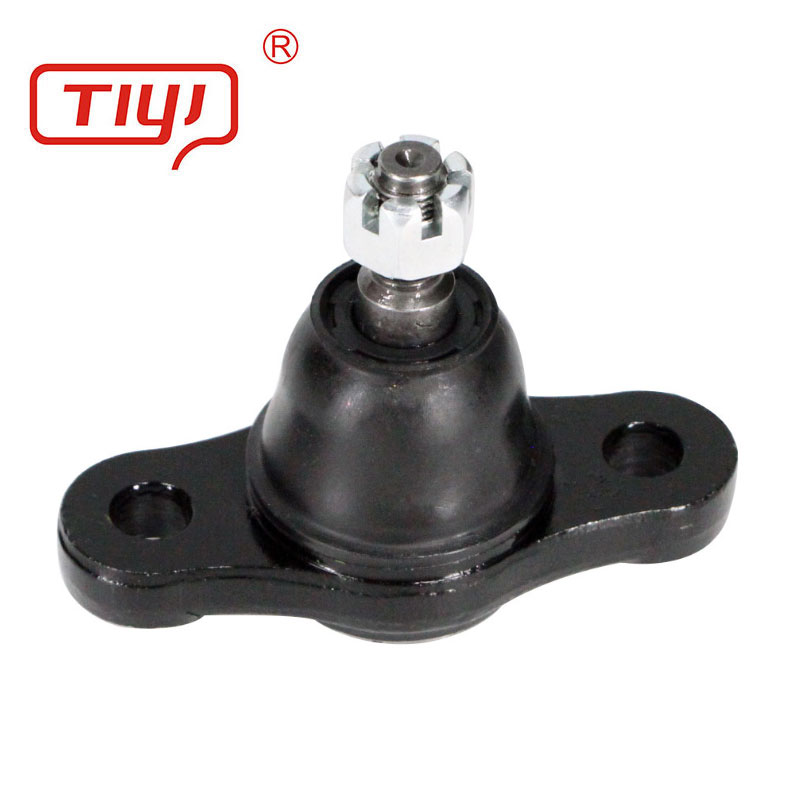
Specification
| Parameter | Details |
| Type | Load-Carrying, Follower (Non-Load-Carrying); Press-in or Bolt-on |
| Stud Diameter & Taper | Commonly 14mm to 22mm; Standardized taper (e.g., 7°) for knuckle fit |
| Housing Material | Forged Steel, Stamped Steel, Aluminum Alloy |
| Stud/Ball Material | Case-Hardened Chromoly Steel, Heat-Treated Alloy Steel |
| Bearing Interface | Polymer-lined Socket, Sintered Metal, Precision Metal-on-Metal |
| Seal/Boot | Synthetic Rubber or Polyurethane Boot, Heat and Tear Resistant |
| Grease Fitting | Zerk Fitting present on serviceable types; sealed units are maintenance-free |
| Load Rating | Rated for vehicle's Gross Axle Weight Rating (GAWR) and dynamic forces |
Applications
Ball joints are a cornerstone of modern independent front suspension systems, used in virtually every passenger car, SUV, light truck, and van. They are integral to both MacPherson strut designs (typically one lower ball joint per side) and double-wishbone or multi-link setups (using both an upper and lower ball joint per side). Their primary application is in the front suspension, where steering and vertical wheel travel occur.
Heavy-duty versions are critical for commercial trucks, buses, and agricultural equipment. In the performance realm, upgraded ball joints are essential for lowered cars, race vehicles, and off-road trucks subjected to extreme angles and impacts. They are also found in some rear independent suspension designs and in the steering linkages of certain vehicles, demonstrating their versatility as a robust pivoting solution.
Advantages
- Precise Steering and Handling: Maintains accurate wheel alignment and provides direct, predictable steering feedback for optimal vehicle control.
- High Strength and Durability: Constructed from high-grade metals to endure continuous shock loads, preventing catastrophic failure and ensuring long service life.
- Smooth Articulation with Low Friction: The precision-ground ball and socket, combined with high-quality grease, allow for effortless movement of the suspension and steering.
- Maintenance Flexibility: Serviceable ball joints with grease fittings allow for periodic re-lubrication, extending service intervals and lifespan.
- Critical Safety Component: A properly functioning ball joint is vital for maintaining the physical connection between the wheel and the vehicle, directly impacting safety.
- Wear Indicators: Many designs include visual or tactile cues (like a worn groove) to clearly signal when replacement is necessary.
- Contributes to Tire Longevity: By maintaining proper suspension geometry, a good ball joint helps prevent premature and uneven tire wear.
Materials and Structure
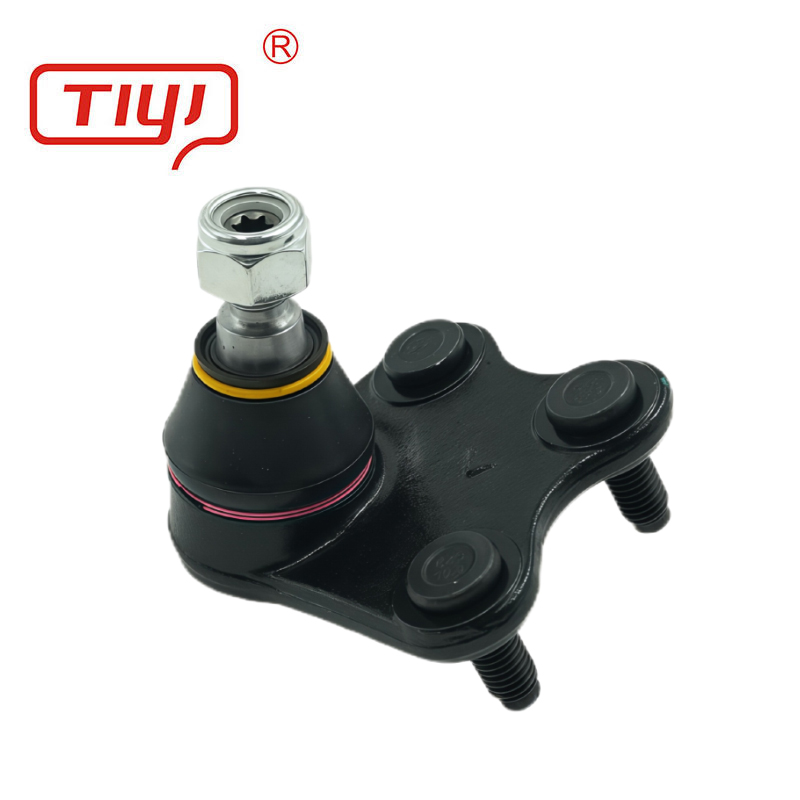
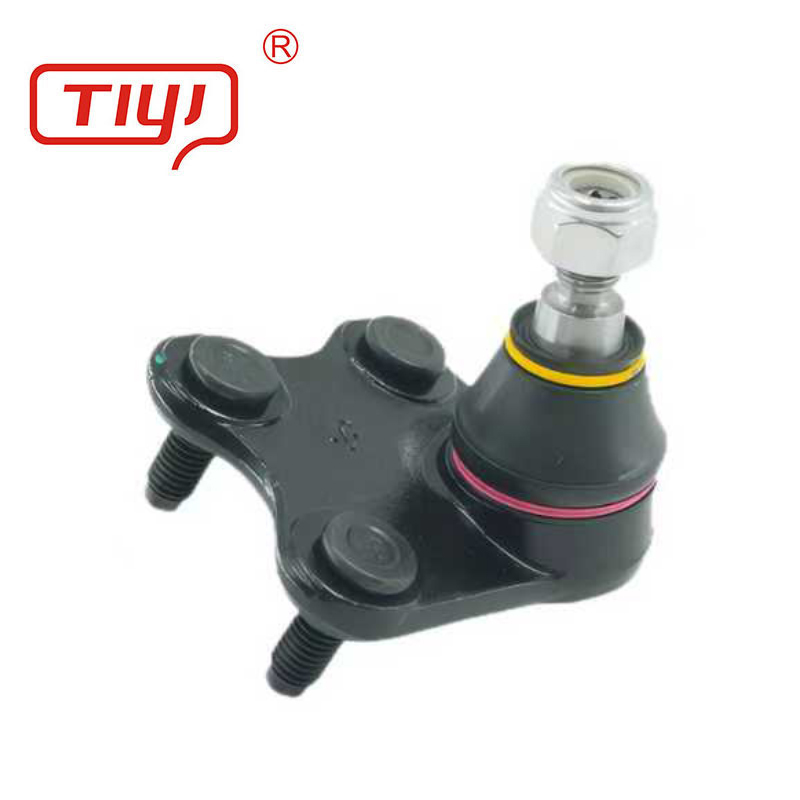
The anatomy of a ball joint is designed for strength and smooth operation. The core is a spherical stud, machined from case-hardened chromoly or similar alloy steel to create a hard, wear-resistant surface. This stud rotates within a socket housed in a forged steel or aluminum body. The bearing interface is key: for everyday driving, a PTFE-lined or sintered bronze socket provides a quiet, low-friction surface. For heavy-duty use, a precision metal-on-metal design offers maximum strength and heat tolerance.
A critical component is the sealing boot, made from advanced elastomers like HNBR (Hydrogenated Nitrile Butadiene Rubber) or polyurethane. This boot keeps lubricant in and contaminants like dirt, water, and road salt out. The assembly is crimped or riveted together, with some performance units being rebuildable. The stud is tapered to create a tight, wedged fit in the steering knuckle, secured by a castellated nut and cotter pin—a simple yet highly reliable locking mechanism.