

 English
 中文简体
中文简体
 Español
 عربى
عربى


A failing lower control arm on a 2015 Chrysler 200 usually announces itself with a clunking noise over bumps, a steering wheel that wanders slightly, or a band of wear on one edge of the front tire. At a repair shop, replacing one lower control arm typically costs between $874 and $942, including labor and a quality replacement part. The lower control arm is the load-bearing link between the wheel hub and the car's subframe; when its bushings or ball joint wear out, the wheel moves out of place under braking, acceleration, and cornering.
If you need a quick answer: stop driving the car if the arm shows severe play, order an OE-standard replacement arm rather than the cheapest part, and plan for a wheel alignment after installation. The sections below explain how to identify the failure, what the repair should cost, and what to look for when buying a control arm for the 2015 Chrysler 200.
Content
- What Does a Control Arm Do on a 2015 Chrysler 200?
- Key Symptoms of a Failing Control Arm
- Why the Lower Control Arm Wears Out
- How Much Should You Expect to Pay?
- Choosing the Right Control Arm for the 2015 Chrysler 200
- Step-by-Step Replacement Overview
- Can You Drive with a Bad Control Arm?
- Frequently Asked Questions
What Does a Control Arm Do on a 2015 Chrysler 200?
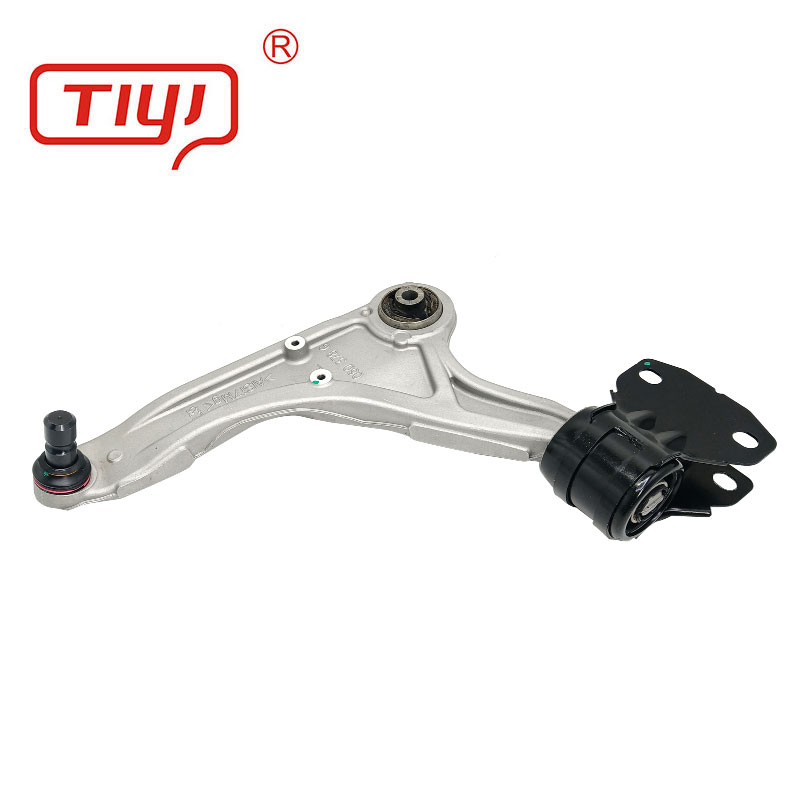
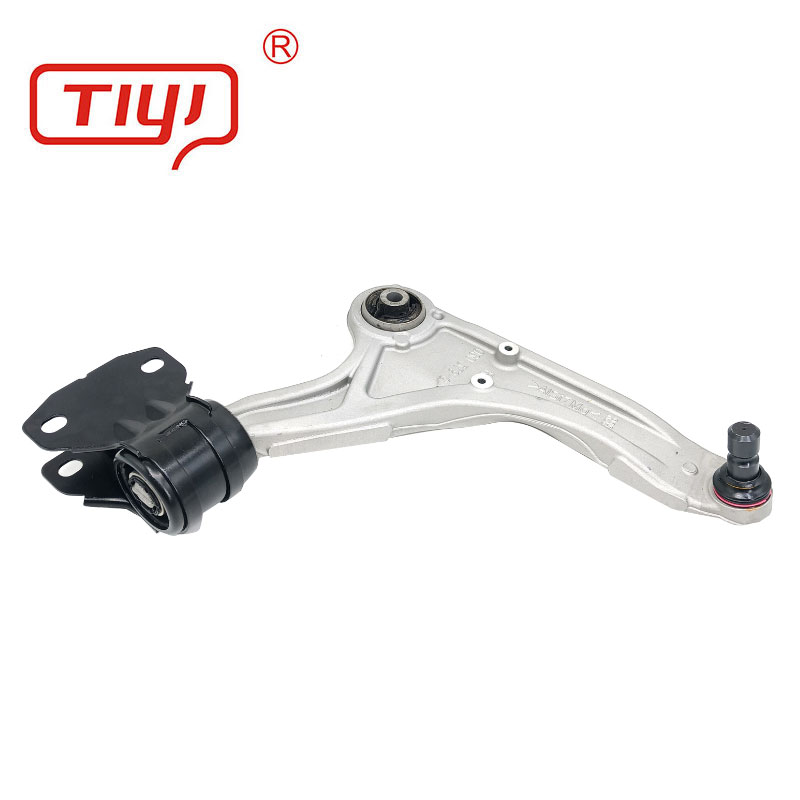
On the 2015 Chrysler 200, each front wheel is carried by a lower control arm, also known as a front suspension arm. It connects the steering knuckle to the front subframe and allows the wheel to move up and down while keeping the tire contact patch square with the road.
Each arm has two mounting points: a ball joint at the outward end and rubber or hydraulic bushings at the inward end. The ball joint handles steering movement, while the bushings absorb road vibration. When either component develops play, the entire geometry of the front suspension changes. The tire angles shift, the steering response becomes lazy, and the chassis starts transmitting impacts that should be absorbed by the arm.
Key Symptoms of a Failing Control Arm
The symptoms below point to a worn lower control arm rather than a simple alignment issue:
- Clunking or popping when driving through dips or over parking-lot bumps: damaged bushing or ball joint.
- A steering wheel that becomes vague or pulls to one side under heavy braking: movement in the arm changes toe angle.
- Uneven or abrupt inner-edge tire wear: the control arm allows the wheel to tilt.
- A front-end vibration that appears around 45–70 mph: loose control arm affects wheel balance and braking.
- An off-center steering wheel after hitting a deep pothole: bent arm throws alignment settings out of specification.
| Symptom | Likely cause | Action |
|---|---|---|
| Low, metallic clunk on bumps | Ball joint or bushing play | Inspect arm on a lift |
| Pulling to one side under braking | Bent arm or worn rear bushing | Check alignment; replace arm if play is present |
| Scalloped inner tire edge | Control arm shifts under load | Replace worn arm and realign |
| Steering wheel off-center | Impact damage or wallowed mounting bolts | Replace arm if geometry is damaged |
Why the Lower Control Arm Wears Out
The 2015 Chrysler 200’s front-drive layout and relatively heavy structure put nonstop stress on both lower control arms, so wear is common after 60,000–100,000 miles.
- Road salt and moisture attack the bushing case and ball-joint boot.
- Heat from the engine and exhaust dries out rubber bushing compounds.
- Repetitive loads from potholes, speed bumps, and curbs crack the bushing or bend the steel arm.
- Aftermarket parts with soft bushings wear much faster than OE-spec rubber.
The lower arm itself rarely breaks; the rubber bushing fails first. Once the bushing tears, the arm moves sideways, allowing the wheel to shuffle front-to-back. This creates the clunking noise and the erratic tire wear. Ball-joint wear can be just as serious: a failed ball joint allows the wheel to tilt outward, and in extreme cases, it can separate from the knuckle.
How Much Should You Expect to Pay?
At an independent shop, a 2015 Chrysler 200 control arm replacement generally costs $874 to $942, based on industry pricing data. Labor alone is usually $146 to $215. The rest is the part itself, which varies widely: a genuine dealer arm can cost $400 to $700, while a well-made OE-standard aftermarket arm usually falls between $150 and $350.
Dealers often charge more because they use the factory original part and book more labor hours. An independent shop that uses a quality aftermarket arm can often complete the job for less, but you should confirm whether the quoted price includes a wheel alignment. A separate alignment adds $80 to $120.
Choosing the Right Control Arm for the 2015 Chrysler 200
For most owners, an OE-standard aftermarket control arm is the smartest balance of price and longevity, provided it is built to original geometry.
| Option | Price range | Best for | Main consideration |
|---|---|---|---|
| Genuine dealer arm | $400–$700 | Factory originality, guaranteed fit | Expensive; may not include bolts or bushings separately |
| OE-standard aftermarket | $150–$350 | Daily drivers, cost-conscious owners | Verify material, bushings, and ball joint quality |
| Budget no-name arm | Under $120 | Immediate budget repair | Frequent premature wear and alignment issues |
To spot a good OE-standard arm, check the following details: the arm should use steel of the same thickness as the original, the ball joint should be pre-installed or designed for an OE ball joint, and the bushings should match factory tolerances. A manufacturer that offers a 2-year/100,000 km warranty is another strong signal. For example, car control arms from Tianyu are produced to OE standards, tested for fatigue, and covered by that warranty. Choosing this tier of parts avoids the downtime associated with repeated cheap replacements.
Step-by-Step Replacement Overview
Plan on two to three hours of shop time for a single arm, or half a day if you do the job in a driveway with hand tools. Before you start, read a comprehensive control arm replacement guide to understand torque values and the exact sequence for the 2015 Chrysler 200.
- Raise the car and support the front subframe with jack stands.
- Remove the front wheel and the under-engine splash shield.
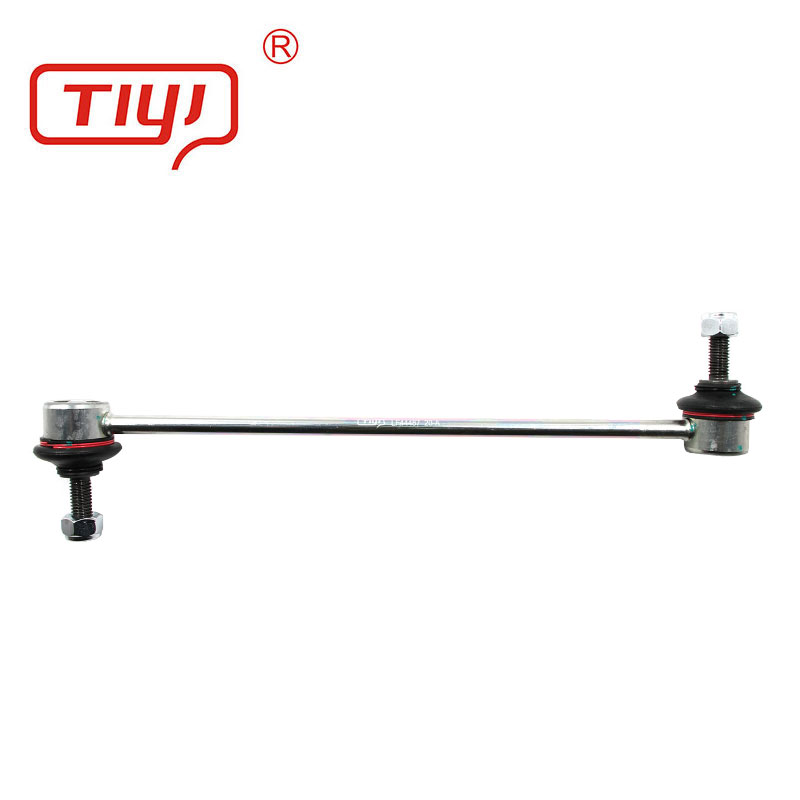
- Disconnect the sway-bar link and the lower ball joint from the steering knuckle.
- Loosen and remove the bolts holding the control arm to the subframe.
- Slide the arm out and compare the new part with the original.
- Install the new arm and tighten all fasteners to factory torque specifications.
- Reconnect the ball joint and sway-bar link. Replace damaged hardware.
- Lower the car and perform a wheel alignment.
Can You Drive with a Bad Control Arm?
You should not drive beyond a short trip to a repair shop once a lower control arm has obvious play. A bushing tear alone may not make the car undriveable, but the wheel alignment changes under load and the tire starts wearing unevenly. A worn ball joint is more urgent: if the ball stud separates, the wheel collapses outward and you lose steering control. If you hear a loud clunk and the steering feels loose, have the car towed to avoid an accident.
Frequently Asked Questions
Here are the most common questions owners ask about 2015 Chrysler 200 control arm replacement:
How long should a 2015 Chrysler 200 control arm last?
Most original control arms last 60,000–100,000 miles. In cold regions with heavily salted roads, the rubber bushings can fail closer to 50,000 miles. Inspect the bushings during every oil change to catch wear early.
Should I replace both control arms at the same time?
If both sides show the same wear, yes. If the other side is still within specification, a single replacement is acceptable. Replacing both at once saves labor if you are already paying for the same diagnosis, but it is not mandatory.
Do I need a wheel alignment after control arm replacement?
Yes. Removing and installing the arm changes toe and camber settings, even if you mark the bolt positions. Skipping the alignment will cause rapid tire wear and may make the steering pull to one side.
Can a bad control arm affect my brakes?
It can. A worn control arm allows the front wheel to shift under braking, producing a pulling sensation and a longer stopping distance. In severe cases, the brake pedal can pulse because the wheel hub is not stable.