

 English
 中文简体
中文简体
 Español
 عربى
عربى

How Much Does It Cost to Repair a Tie Rod? Complete 2026 Price Guide
 Administrator
 2026-05-02
Quick Answer: Tie rod repair typically costs between $200 and $700 for a single side, with the national average around $350–$450. This breaks down into parts ($25–$200) and labor ($90–$500), plus a mandatory wheel alignment ($80–$200) that must always follow the repair. Outer tie rod ends are less expensive to replace ($250–$450 total), while inner tie rod ends cost more due to higher labor time ($300–$700 total). Full front-axle replacement of both inner and outer tie rods on both sides can run $600–$1,500+ depending on your vehicle and shop.
Content
- What Is a Tie Rod and Why Does It Need Repair?
- How Much Does Tie Rod Repair Cost?
- Tie Rod Repair Cost Breakdown: Parts, Labour, and Alignment
- Inner vs. Outer Tie Rod Repair: What Is the Cost Difference?
- 6 Key Factors That Affect How Much You Pay for Tie Rod Repair
- Real-World Tie Rod Repair Cost Examples by Vehicle Type
- Signs You Need Tie Rod Repair: Don't Ignore These Symptoms
- DIY vs. Professional Tie Rod Repair: Is It Worth Doing Yourself?
- How to Save Money on Tie Rod Repair: 5 Practical Tips
- FAQ: Tie Rod Repair Cost — Common Questions Answered
- Conclusion: What to Budget for Tie Rod Repair
What Is a Tie Rod and Why Does It Need Repair?
A tie rod is a critical steering system component that connects your vehicle's steering rack (or gearbox) to the steering knuckle at each front wheel, translating the rotational movement of the steering wheel into the left-right turning movement of the wheels. Every time you steer, your tie rods are under load — pushing or pulling the front wheels into position.
Because tie rods are exposed to road vibration, potholes, and the constant stress of steering inputs, they wear out over time. The most common failure point is the tie rod end — a ball-and-socket joint at the outer end of the tie rod that allows the steering knuckle to pivot. When this joint becomes loose, corroded, or physically damaged, it must be replaced. Left unaddressed, a failing tie rod causes erratic steering, accelerated tyre wear, and ultimately a potentially catastrophic loss of steering control.
Each vehicle has two tie rods — one per front wheel — and each tie rod has an inner end and an outer end, giving four potential replacement points in total. Understanding which component needs repair is the first step to accurately estimating the cost.
How Much Does Tie Rod Repair Cost?
Tie rod repair costs vary widely depending on whether you are replacing an outer end, an inner end, or both sides — but the full cost always includes parts, labour, and a wheel alignment. The table below provides a clear at-a-glance overview of all common tie rod repair scenarios as of 2026.
| Repair Scenario | Parts Cost | Labour Cost | Alignment | Total Estimate |
| Outer tie rod end (1 side) | $25–$120 | $90–$180 | $80–$200 | $250–$450 |
| Outer tie rod end (both sides) | $50–$240 | $150–$300 | $80–$200 | $320–$700 |
| Inner tie rod end (1 side) | $40–$180 | $120–$360 | $80–$200 | $300–$700 |
| Inner tie rod end (both sides) | $80–$360 | $200–$600 | $80–$200 | $400–$1,100 |
| Full set (inner + outer, both sides) | $130–$560 | $300–$800 | $80–$200 | $600–$1,500+ |
| Luxury / European vehicle (1 side) | $125–$300+ | $300–$650 | $100–$250 | $550–$1,200+ |
Table 1: 2025 tie rod repair cost estimates by scenario, including parts, labour, and mandatory wheel alignment at an independent shop.
Tie Rod Repair Cost Breakdown: Parts, Labour, and Alignment
Every tie rod repair invoice consists of three distinct charges — parts, labour, and wheel alignment — and understanding each one helps you validate any quote you receive.
Parts Cost: $25–$300
Tie rod parts themselves are relatively inexpensive — typically $25 to $120 for a quality aftermarket outer end, and $40 to $180 for an inner end. The price you pay depends on two key decisions: OEM versus aftermarket, and part grade.
- Economy aftermarket parts ($10–$40): The lowest-cost option. Typically come with a one-year warranty only. Quality is inconsistent, and some economy tie rod ends have been found to wear significantly faster than OEM, negating the initial cost saving.
- Mid-grade / name-brand aftermarket ($25–$100): The sweet spot for most vehicles. Parts from reputable manufacturers typically come with a lifetime warranty, meet or exceed OEM specifications, and cost 40–60% less than dealer-supplied parts.
- OEM (Original Equipment Manufacturer) parts ($75–$300+): Identical to the parts originally installed in your vehicle. Guaranteed fitment and quality, but significantly more expensive. Best choice for newer vehicles still under warranty or if the repair is done at a dealership.
For luxury and European vehicles, parts costs are notably higher. A tie rod assembly for select BMW 2 Series, 3 Series, and 4 Series models, for example, can be listed at approximately $165 from the dealer — before any labour is applied.
Labour Cost: $90–$650
Labour is the largest variable in tie rod repair costs, and it is driven by two factors: how long the job takes, and what your shop charges per hour. The national average shop labour rate is approximately $100–$150 per hour at independent mechanics, rising to $150–$200+ per hour at dealerships.
Labour time varies significantly between outer and inner tie rod replacements:
- Outer tie rod end: 0.5–1.2 labour hours per side. This is a relatively accessible job — the outer end is located near the wheel and can usually be replaced without removing the steering rack.
- Inner tie rod end (rack and pinion system): 1.0–4.0 labour hours per side, depending on the vehicle. On many cars, the inner tie rod can be replaced with specialised tools without removing the steering rack (typically 1.0–2.0 hours). On vehicles where rack removal is required — such as certain BMW models — the labour time can reach 4.0 hours per side, dramatically increasing the total cost.
- Inner tie rod end (steering gearbox system): 0.6–1.0 labour hours. Trucks and older vehicles using a steering gearbox (rather than rack and pinion) are often simpler for inner tie rod access, keeping labour costs lower.
One important practical note: rust and corrosion can add significant time and cost to any tie rod repair. In regions with road salt, seized adjusters, corroded castle nuts, or damaged rack boots can add $20–$100 in parts and 0.5–1.5 additional labour hours. Always ask your mechanic whether the estimate assumes normal or potentially rusted hardware when getting quotes.
Wheel Alignment: $80–$200 (Mandatory)
A wheel alignment is not optional after tie rod repair — it is a safety-critical step that must always be performed. Tie rods set the toe angle of the front wheels — the inward or outward angle of the tyres when viewed from above. Even a small change in toe angle caused by installing a new tie rod directly affects straight-line tracking and tyre wear. Driving without alignment after a tie rod replacement will cause rapid, uneven tyre wear and compromised steering stability.
A standard front-end (two-wheel) alignment costs $65–$150. A full four-wheel alignment costs $100–$200. Many shops bundle the alignment into the tie rod repair quote, but always confirm this when comparing estimates — a quote that does not include alignment will be artificially low.
Inner vs. Outer Tie Rod Repair: What Is the Cost Difference?
Outer tie rod repairs are consistently less expensive than inner tie rod repairs — primarily because of labour time, not parts cost. The table below compares both in detail.
| Factor | Outer Tie Rod End | Inner Tie Rod End |
| Location | Near the wheel, easily accessible | Near the steering rack, partially hidden |
| Parts Cost | $25–$120 | $40–$180 |
| Typical Labour Time | 0.5–1.2 hours | 1.0–4.0 hours |
| Special Tools Required? | No (basic hand tools) | Yes (inner tie rod removal tool) |
| Typical Total Cost (1 side) | $250–$450 | $300–$700 |
| DIY Feasibility | Moderate (achievable for skilled DIYer) | Difficult (specialised tools required) |
| Alignment Required After? | Yes — always | Yes — always |
| Common Failure Signs | Loose steering, clunking when turning | Excessive steering play, knocking noises |
Table 2: Inner vs. outer tie rod end comparison — cost, labour, tools, and difficulty for 2025.
6 Key Factors That Affect How Much You Pay for Tie Rod Repair
No two tie rod repair quotes are exactly alike, because six specific variables can push your total significantly above or below the average range.
1. Vehicle Make, Model, and Year
Your vehicle's make and model is the single biggest driver of cost variation in tie rod repair. Labour time for inner tie rod replacement on a 2007 BMW 328i is approximately 4.0 hours (requiring steering rack removal), pushing the total cost to $636–$809 for one side. By contrast, the same inner tie rod replacement on a 2006 Chevrolet Silverado 1500 takes only 0.9 hours and costs approximately $169 total. The difference is almost entirely in labour time — not parts quality. European brands (BMW, Mercedes, Audi, Volkswagen) and luxury vehicles consistently sit at the higher end of the cost range, while domestic trucks and economy sedans are among the least expensive.
2. Independent Shop vs. Dealership
Dealership labour rates are typically 30–50% higher than independent shops for the same tie rod repair. An independent mechanic may charge $100–$130 per hour, while a franchised dealership typically charges $150–$200+ per hour. For a 2-hour tie rod repair, that difference alone adds $100–$140 to your bill. However, dealerships use OEM parts as standard, which offers guaranteed compatibility and may be preferable for newer vehicles under warranty.
3. Geographic Location
Labour rates vary substantially by region — mechanics in high cost-of-living metros charge significantly more than those in rural areas. Shops in major cities such as New York, Los Angeles, or San Francisco may charge $150–$200 per hour, while shops in smaller towns or lower-cost regions may charge $80–$100 per hour. This means a 2-hour tie rod job could cost $160–$200 in labour in rural areas versus $300–$400 in a major metro — all for the same work.
4. Rust and Corrosion
Vehicles in northern states, coastal areas, or regions with heavy road salt use are routinely subject to surcharges for corroded tie rod hardware. Seized castle nuts, rusted adjusting sleeves, and corroded cotter pins can each add 15–45 minutes to the job and may require additional parts (new boots, jam nuts, or anti-seize hardware) costing $20–$100 extra. Mechanics in rust-prone areas routinely disclose that the "rust surcharge" is one of the most common sources of quote surprises.
5. One Side vs. Both Sides
If one tie rod is worn, the other side may be close behind — and replacing both at the same time is usually more cost-efficient than doing separate repairs. The second side adds parts cost but minimal additional labour because the mechanic is already set up and the alignment is already being performed. Replacing the outer tie rod on one side might cost $300–$450. Replacing both sides in the same visit typically costs $400–$600 — not double the single-side price, because labour and alignment costs are partially shared.
6. Additional Related Repairs
A mechanic inspecting worn tie rods will often identify related worn steering and suspension components that should be addressed at the same visit. Ball joints, control arm bushings, and sway bar links are commonly found worn alongside tie rod ends because they experience similar road conditions and wear cycles. Bundling these repairs in one visit saves labour cost overall (since the car is already on the lift and certain components already disassembled), even though the combined invoice will be higher.
Real-World Tie Rod Repair Cost Examples by Vehicle Type
The following real-world examples illustrate how vehicle type drives the total cost of tie rod repair, using a standard shop labour rate of $130/hour and including alignment.
| Vehicle | Job | Labour Time | Parts | Est. Total (incl. alignment) |
| 2006 Chevy Silverado | Outer tie rod (1 side) | 0.6 hrs | ~$35 | ~$213 |
| 2006 Chevy Silverado | Inner tie rod (1 side) | 0.9 hrs | ~$34 | ~$251 |
| 2010 Ford Fusion | Outer tie rod (1 side) | 0.4 hrs | ~$32 | ~$184 |
| 2010 Ford Fusion | Inner tie rod (1 side) | 3.1 hrs | ~$28–$47 | ~$511–$530 |
| 2007 BMW 328i | Outer tie rod (1 side) | 0.4 hrs | ~$22–$125 | ~$174–$277 |
| 2007 BMW 328i | Inner tie rod (1 side, rack removal) | 4.0 hrs | ~$36–$209 | ~$734–$909 |
Table 3: Real-world tie rod repair cost examples by vehicle model using $130/hr labour rate, including alignment estimate.
Signs You Need Tie Rod Repair: Don't Ignore These Symptoms
Identifying a failing tie rod early reduces repair complexity and prevents the far greater costs — or dangers — of complete tie rod failure while driving. The following symptoms are the most reliable indicators:
- Shaky or vibrating steering wheel: A loose tie rod end allows the wheel to oscillate rather than track cleanly. Vibration that increases with speed or becomes worse when turning is a classic early warning sign.
- Clunking, popping, or knocking noises: A worn ball-and-socket joint in the tie rod end creates audible clunking when turning, driving over potholes, or navigating speed bumps. This noise is often more pronounced at low speeds during sharp turns.
- Loose, wandering, or "vague" steering: The car feels as though it is drifting or requires constant correction to hold a straight line. This is caused by excessive play in the worn tie rod joint, which allows slight movement at the wheel even with a steady steering input.
- Uneven or rapid tyre wear: A failing tie rod changes the toe angle of the affected wheel, causing one edge of the tyre to wear significantly faster than the other. This is a slower-developing symptom but often the most visible evidence of a long-standing tie rod issue.
- Off-centre or crooked steering wheel: If the steering wheel is visibly turned slightly while the vehicle is driving straight, this strongly suggests a tie rod or alignment problem.
- Vehicle pulling to one side: Similar to a misalignment symptom, a damaged tie rod on one side will cause the affected wheel's toe angle to change, producing a persistent pull in that direction under normal driving.
Do not drive with a known or suspected bad tie rod. A complete tie rod failure at highway speeds can cause an immediate and potentially unrecoverable loss of steering control.
DIY vs. Professional Tie Rod Repair: Is It Worth Doing Yourself?
Replacing an outer tie rod end is achievable for a mechanically competent DIYer, but you will still need a professional wheel alignment afterward — which means the cost savings from DIY are narrower than most people expect.
A DIY outer tie rod replacement requires a vehicle jack and stands, a torque wrench, a ball joint/pickle fork separator or tie rod end puller, and penetrating oil for rusted hardware. Parts for an outer tie rod end run $25–$120. The professional alignment still costs $80–$200 regardless of who installs the part. So while a professional might charge $250–$450 total, a skilled DIYer might pay $105–$320 total — saving roughly $100–$200 but investing 2–4 hours of their own time and accepting full responsibility for the safety of the installation.
Inner tie rod replacement is significantly more difficult to DIY, requiring a specialised inner tie rod removal socket tool (typically $30–$60 to purchase or rent) and more vehicle-specific knowledge. Incorrect inner tie rod installation — improper torque, wrong thread count, or damage to the steering rack boot during removal — can cause power steering fluid leaks or progressive steering rack failure, turning a $400 repair into a $1,200+ steering rack replacement. For most owners, professional installation of inner tie rod ends is strongly recommended.
How to Save Money on Tie Rod Repair: 5 Practical Tips
While tie rod repair is non-negotiable for safety, there are several concrete ways to reduce what you pay without compromising quality.
- Get at least three written quotes: Labour rates and markup on parts vary significantly between shops. Collecting three detailed quotes — each specifying the parts brand, labour hours, and whether alignment is included — frequently reveals a 20–40% price spread for identical work. Always compare total cost including alignment, not just the headline repair price.
- Supply your own parts: Many independent shops allow you to bring your own parts, charging labour only. Purchasing a reputable mid-grade aftermarket tie rod end directly can save $40–$100 per side compared to what a shop charges for the same part with their markup. Confirm the shop's policy before buying parts.
- Replace both sides at once: If one outer tie rod end is worn, the other is likely close behind. Replacing both in the same visit shares the alignment cost between both sides and reduces the per-side labour charge slightly, saving $60–$150 versus doing the second side as a separate visit later.
- Bundle with other suspension work: If ball joints, control arm bushings, or sway bar links also need attention, having all of this done in a single visit reduces total labour cost — because multiple components share the same setup time and the alignment is performed once for all the work rather than once per component replacement.
- Use an independent mechanic over a dealership: For straightforward tie rod replacements on most non-luxury vehicles, an independent shop with good reviews will perform identical quality work at 20–40% lower labour rates than a franchised dealership. The exception: vehicles still under warranty, where dealership work maintains warranty compliance.
FAQ: Tie Rod Repair Cost — Common Questions Answered
Q1: How much does tie rod repair cost on average in 2026?
The average total cost to repair a tie rod in 2026 is $300–$500 for a single outer tie rod end (including labour and alignment) at an independent shop. Inner tie rod replacements average $350–$700 per side. Full front-end replacement of all four tie rod ends (both inner and outer on both sides) typically runs $600–$1,500 depending on vehicle type and labour rates.
Q2: Can I drive with a bad tie rod?
No — driving with a known bad tie rod is a serious safety risk and should be avoided. A failing tie rod progressively loses the ability to maintain precise wheel alignment. Complete tie rod separation at speed causes immediate, total loss of steering control on the affected wheel. If your mechanic has identified a bad tie rod, do not delay the repair. Even driving a short distance to a repair shop on a seriously worn tie rod should be done with caution and at low speed.
Q3: Is a wheel alignment always necessary after tie rod repair?
Yes — a wheel alignment is mandatory after every tie rod replacement without exception. Tie rods directly control the toe angle of the front wheels. Installing a new tie rod inevitably changes this angle, and driving without realignment causes rapid, severe tyre wear and unpredictable steering. A front-end alignment costs $80–$150 at most shops and typically takes 30–60 minutes. Never accept a quote for tie rod replacement that does not include or strongly recommend a wheel alignment.
Q4: How long does tie rod repair take?
From drop-off to pick-up, expect 1.5–3 hours for a single outer tie rod end with alignment at a shop with an alignment rack on-site. Inner tie rod replacements take longer: 2.5–5 hours including alignment for most vehicles, and potentially longer on vehicles requiring steering rack removal. If the shop must outsource the alignment to a nearby facility, add 1–2 hours for transportation time.
Q5: Should I replace both tie rods at the same time even if only one is bad?
There is no mechanical reason to replace a tie rod that has not failed. However, if one tie rod end is showing wear, the other side is often close behind — particularly on high-mileage vehicles or in harsh road conditions. Replacing both sides during the same visit saves one alignment charge ($80–$200) and reduces future labour cost. The decision is best made based on the mechanic's assessment of the condition of the second side and how long you plan to keep the vehicle.
Q6: What is the difference between a tie rod end and a tie rod assembly?
A tie rod end (inner or outer) refers to the ball-and-socket joint at either end of the tie rod, which is the most commonly replaced component. A tie rod assembly refers to the complete unit — the central shaft plus both ends. Full assembly replacement is less common and more expensive, and is typically only recommended when the central shaft is also bent or damaged (usually from a collision). In most routine wear-and-tear repairs, only the tie rod end is replaced, not the entire assembly.
Q7: How often do tie rods need to be replaced?
Tie rods do not have a fixed replacement interval — they are replaced on condition, not mileage. However, most tie rod ends on well-maintained vehicles last 70,000–150,000 miles under normal driving conditions. Vehicles regularly driven on rough roads, gravel, or in areas with deep potholes may wear tie rod ends in as few as 40,000–50,000 miles. Annual suspension inspections are the most reliable way to catch tie rod wear before it becomes a safety issue or causes secondary damage.
Q8: Does tie rod repair affect tyre wear?
Yes, directly and significantly. A worn or misaligned tie rod changes the toe angle of the affected wheel, causing feathering or one-sided edge wear on the tyre. If the problem has existed for a long time before repair, the tyres may already be unevenly worn beyond the point where alignment alone can restore normal wear patterns. In severe cases, tyres that have developed significant uneven wear from a bad tie rod may need replacement even after the tie rod is fixed and alignment is corrected — adding $100–$600+ to the overall cost of ignoring the repair too long.
Conclusion: What to Budget for Tie Rod Repair
Tie rod repair is one of the most directly safety-critical maintenance items on any vehicle — and fortunately, on most common cars and trucks, it is a relatively affordable repair. Budgeting $300–$500 for a single outer tie rod end (including alignment) at an independent shop is a realistic baseline for most drivers. Inner tie rod replacements or work on European luxury vehicles can push this to $500–$900 per side. A full front-end rebuild of all four tie rod ends lands between $700–$1,500 for most vehicles.
The most important advice: never delay a tie rod repair to save money in the short term. A worn tie rod that progresses to failure will cost far more — both financially and in safety risk — than addressing it promptly. Always include wheel alignment in your repair budget, collect multiple quotes specifying parts brand and labour hours, and consider replacing both sides simultaneously if one is visibly worn. Doing so will give you the best combination of safety, value, and longevity from the repair.
Related Products
-
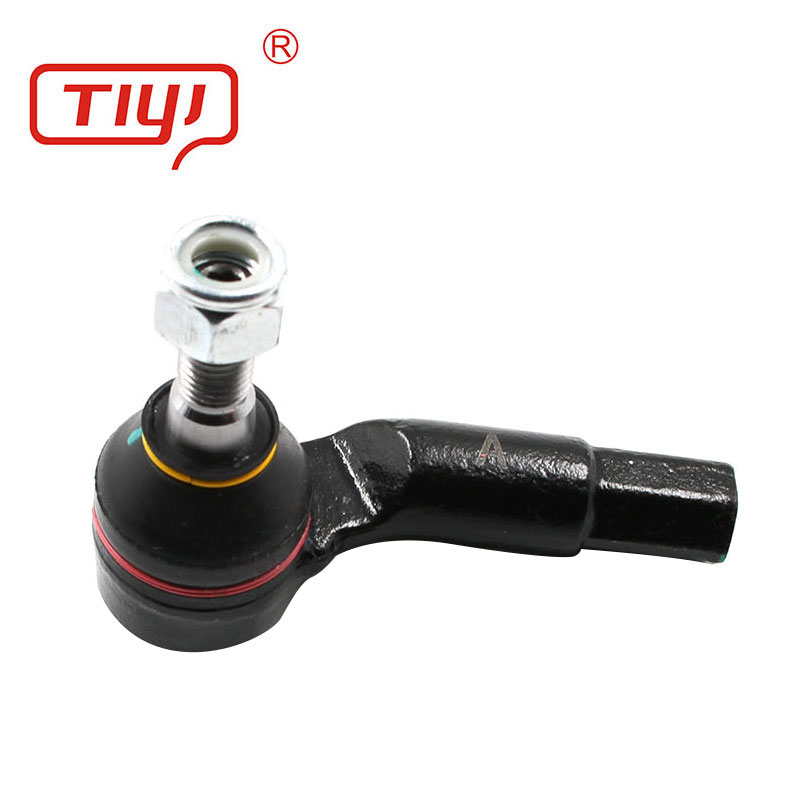
VW Lavida A4 2008-/Tie Rod End/OEM:1J0422811B
View More -
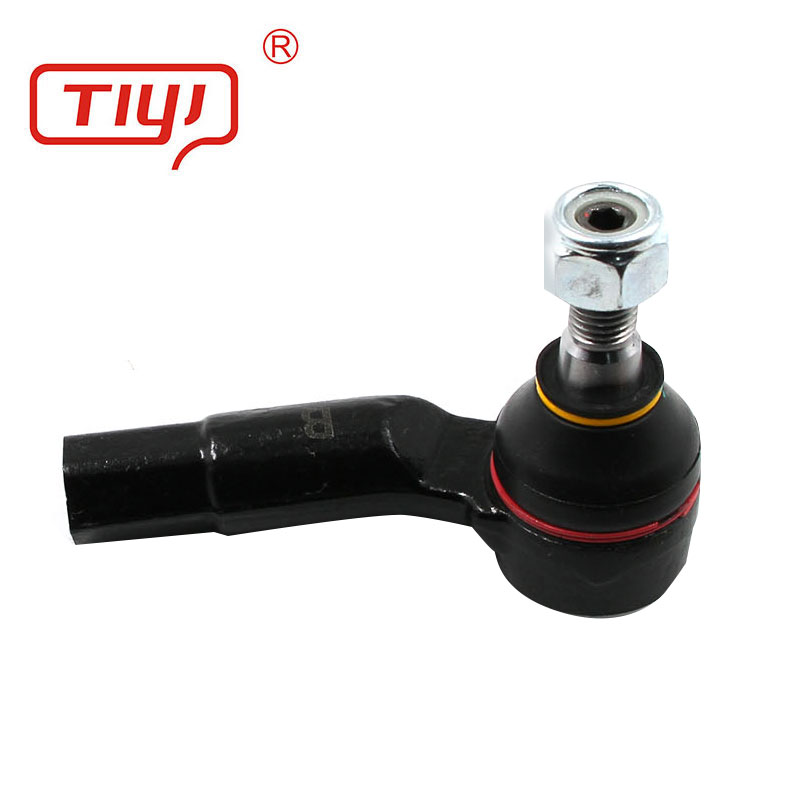
VW Lavida A4 2008-/Tie Rod End/OEM:1J0422812B
View More -
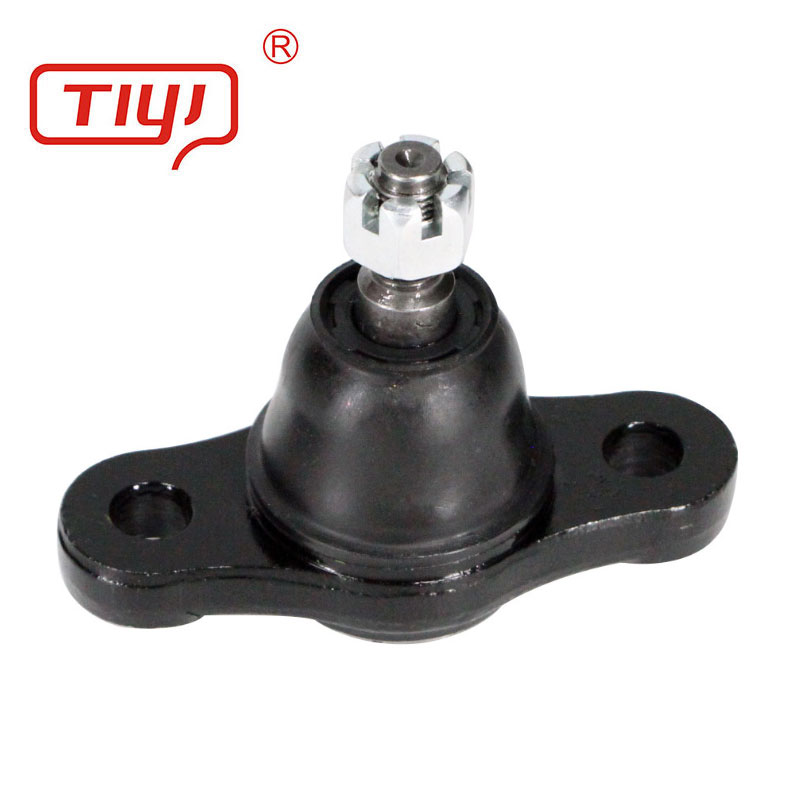
Hyundai Elantra 2000-2007/BALL JOINT/OEM:51760-0Q000
View More -
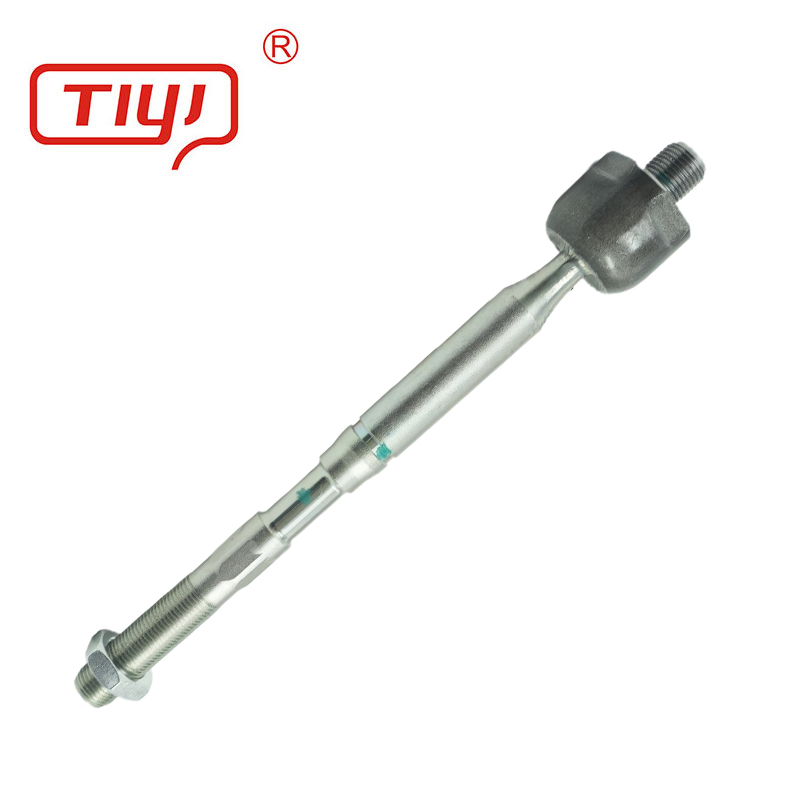
TOYOTA Rongfang 4th 3rd generation 2005-2013/Rack End/OEM: 45503-42030
View More -
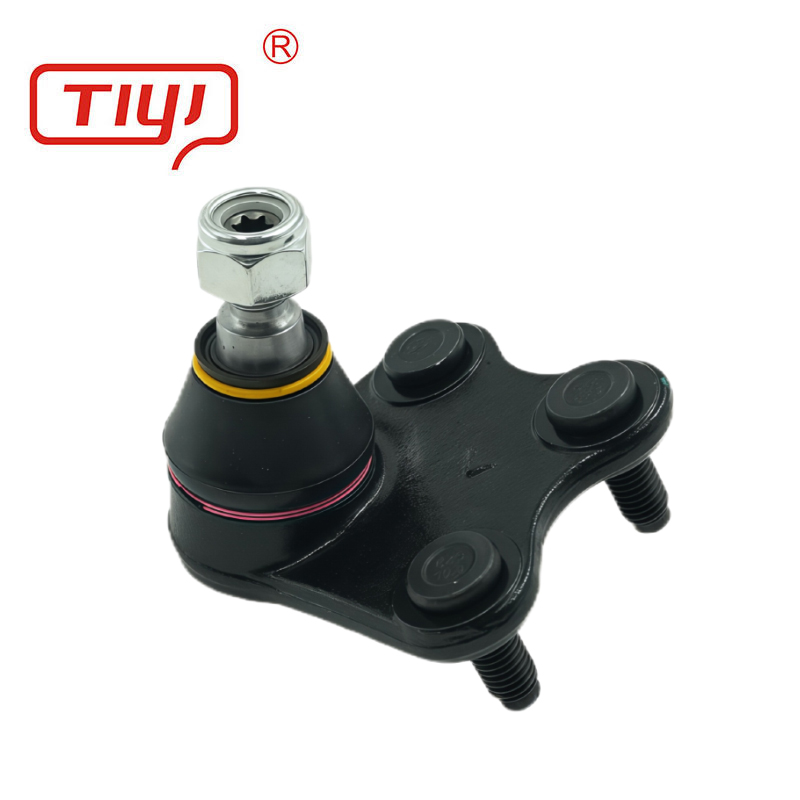
VW NEW JETTA/NEW SANTANA 2013-/BALL JOINT/OEM:6RD407365
View More -
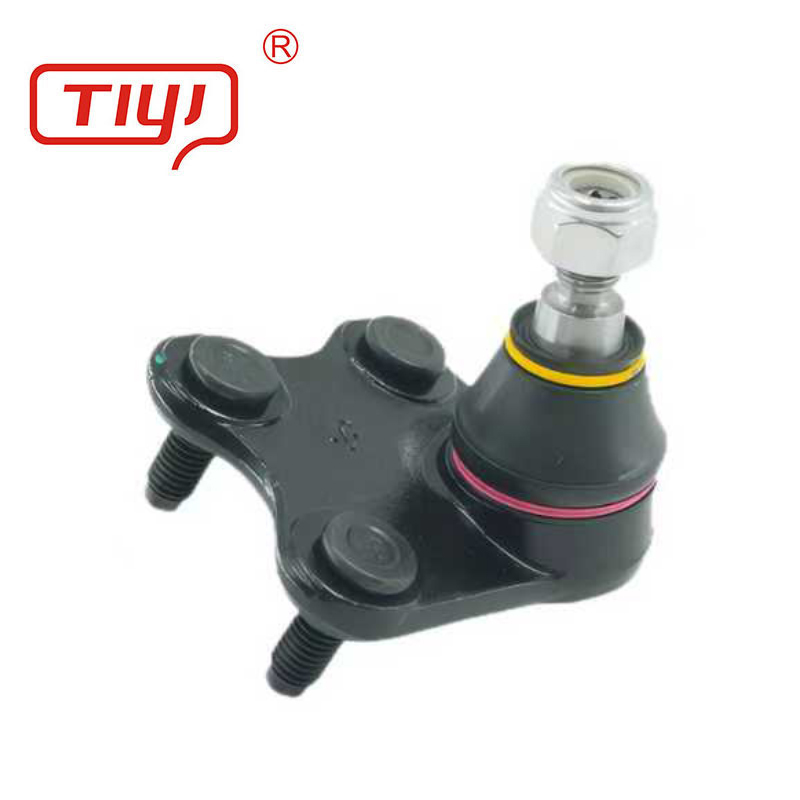
VW NEW JETTA/NEW SANTANA 2013-/BALL JOINT/OEM:6RD407366
View More
-



-
Quick Links
About Us Products Capabilities Support News & Events Contact Us -
Product Range
Rack End Tie Rod End Stabilizer Link Control Arm Ball Joint -
Address
No. 1471, Qingliu East Road, Chuzhou City, Anhui Province, China
