

 English
 中文简体
中文简体
 Español
 عربى
عربى

Is Your Steering Feeling Loose? How to Tell If It's Time for a New Tie Rod End?
 Administrator
 2025-12-10
Content
- The Unsung Hero of Your Car's Handling: Understanding the Tie Rod End
- Recognizing the Warning Signs: Symptoms of a Failing Tie Rod End
- The Importance of a Timely Replacement: Safety and Performance
- Navigating the Replacement Process: Choosing the Right Part
- Installation and Post-Replacement Care: Ensuring a Job Well Done
- Real-World Applications: The VW Lavida and Beyond
- Conclusion: Your Role in Maintaining a Safe Vehicle
The Unsung Hero of Your Car's Handling: Understanding the Tie Rod End
Every time you turn the steering wheel, a complex and precisely coordinated system of components springs into action, guiding your vehicle smoothly and safely around corners and down straightaways. While many drivers are familiar with parts like the steering rack or the power steering pump, smaller components like the tie rod end often go unnoticed—until something goes wrong. These unassuming parts are the critical link between your steering system and your wheels, and their health is directly tied to the quality of your drive.
A tie rod end is a type of ball joint that connects the steering rack or linkage to the steering knuckle, which is the part of the wheel assembly that pivots. This connection allows the wheels to turn left and right in response to your input at the steering wheel. Because they are constantly in motion and bear the weight of the vehicle while navigating uneven road surfaces, tie rod ends are subject to a great deal of stress and wear over time.
When these components begin to wear out, the effects can be subtle at first but will progressively become more noticeable and, if left unaddressed, can compromise the safety of your vehicle. This article will delve into the world of tie rod ends, exploring their function, the signs of failure, the importance of choosing the right replacement, and how to maintain them for a long and reliable service life. We will specifically look at applications like the VW Lavida A4 2008-/Tie Rod End to provide concrete examples of these principles in action.
The Anatomy of a Steering System: Where Does the Tie Rod End Fit In?
To appreciate the role of the tie rod end, it's helpful to have a basic understanding of the steering system's layout. In a typical rack-and-pinion steering system, which is common in modern front-wheel-drive cars like the VW Lavida, the process begins when you turn the steering wheel. This motion is transferred down the steering column to a pinion gear, which meshes with a flat-toothed bar called the steering rack.
As the pinion turns, it moves the rack from side to side. Attached to each end of the steering rack are the tie rods. These are long rods that transmit the linear motion of the rack outwards towards the wheels. At the very end of each tie rod is the tie rod end, which is a flexible, ball-and-socket joint. This joint connects to the steering knuckle, allowing for the up-and-down movement of the suspension while still pushing and pulling the wheel to steer it.
There are typically two tie rod ends on each side of the vehicle: an inner tie rod end, which is connected directly to the steering rack, and an outer tie rod end, which connects to the steering knuckle. The outer tie rod end is also the component that is adjusted during a wheel alignment to set the vehicle's "toe" angle, which determines whether the wheels point inward, outward, or straight ahead. This highlights its dual role in both steering and alignment.
Why Tie Rod Ends Wear Out: The Forces at Play
Given their function, it's no surprise that tie rod ends are designed to be durable. However, they are not immune to the forces they endure daily. The primary reasons for wear and tear include:
- Constant Articulation: Every turn of the steering wheel causes the ball-and-socket joint inside the tie rod end to move. Over thousands of miles, this repetitive motion leads to friction and wear on the internal components.
- Road Shock and Vibration: Driving on uneven roads, hitting potholes, and traversing speed bumps all send jolts and vibrations through the suspension. These impacts are absorbed by the tie rod ends, which can cause the internal parts to degrade and the joint to develop play or looseness.
- Environmental Exposure: Tie rod ends are located on the underside of the vehicle, exposed to water, road salt, dirt, and debris. To protect the internal joint, they are encased in a flexible rubber or polyurethane boot filled with grease. If this boot gets torn or cracked, contaminants can enter the joint, washing away the grease and causing rapid corrosion and wear.
- Vehicle Load and Driving Habits: Heavier vehicles place more stress on steering components. Similarly, aggressive driving habits, such as taking corners too quickly or slamming on the brakes, can accelerate wear.
Understanding these factors is the first step in recognizing why regular maintenance and timely replacement are so crucial for vehicle safety and performance.
Recognizing the Warning Signs: Symptoms of a Failing Tie Rod End
A failing tie rod end will usually give you several clues that it's time for an inspection or replacement. Being able to identify these symptoms early can prevent more extensive damage to your tires and other steering components, and more importantly, keep you safe on the road. Here are some of the common indicators to watch out for:
The Telltale Feeling of Loose or Wandering Steering
One of the initial and most noticeable signs of a worn tie rod end is a vague or loose feeling in the steering. You might feel that the car doesn't respond as precisely as it used to, or that you need to make constant small corrections to keep it driving straight on a highway. This "wandering" sensation is a direct result of excess play, or looseness, that has developed in the tie rod end joint.
When the joint is worn, there is a small amount of free movement before the steering input is actually transferred to the wheel. This gap translates to a disconnected feeling between your hands on the wheel and the direction of the tires. As the wear progresses, this looseness can become more pronounced, making the vehicle feel unstable and unpredictable, especially at higher speeds.
Unusual Noises When Turning
Pay attention to any new sounds coming from the front of your car, particularly when you are turning. A worn or loose tie rod end can produce a clunking, knocking, or popping sound. This noise is most often heard when turning the steering wheel while the vehicle is moving slowly, such as when maneuvering in a parking lot or driveway.
The sound is caused by the metal parts of the worn joint knocking against each other as the slack is taken up during the steering motion. In some cases, the noise may also be accompanied by a vibration that you can feel through the steering wheel. If you hear these noises, it's a clear signal that a component in your steering or suspension system needs immediate attention.
The Problem of Uneven or Abnormal Tire Wear
Your tires can tell you a lot about the health of your vehicle's alignment and steering components. A failing tie rod end is a common cause of abnormal tire wear. Specifically, it can lead to a condition known as "feathering" or "scalloping."
Feathering is a wear pattern where the tread ribs on a tire develop a rounded edge on one side and a sharp edge on the other. You can feel this pattern by running your hand over the tread. If it feels smooth in one direction and rough like saw teeth in the other, you have feathering. This is caused by the wheel being forced to scrub sideways slightly as it rolls down the road due to the looseness in the steering linkage.
Another sign is excessive wear on the inside or outside edges of the front tires. This is often a result of incorrect "toe" alignment, which is directly controlled by the tie rod ends. If you notice any of these unusual wear patterns, it's not just a tire issue—it's a symptom of an underlying problem that needs to be fixed, otherwise, your new tires will wear out prematurely as well.
Visible Damage and Play During Inspection
For those who are comfortable doing a basic check, you can sometimes spot a problem visually or through a simple physical test. With the vehicle safely raised on a jack and the wheel off the ground, you can perform a check for play:
- Grasp the tire at the 3 o'clock and 9 o'clock positions (the sides).
- Try to push and pull the tire, mimicking a left-to-right turning motion.
- If you feel any clunking or see noticeable play in the wheel before the steering linkage moves, the outer tie rod end is a likely culprit.
Additionally, you can visually inspect the protective boot on the tie rod end. If this boot is cracked, torn, or leaking grease, it's a definite sign that the joint is exposed to the elements and on its way to failure, even if it isn't showing symptoms yet. Replacing the boot is a temporary fix, but once the joint has been contaminated, a full replacement of the tie rod end is the recommended course of action.
The Importance of a Timely Replacement: Safety and Performance
Driving with a worn tie rod end is more than just an inconvenience; it's a significant safety risk. The progressive nature of the wear means that what starts as a minor annoyance can quickly escalate into a dangerous situation.
From Poor Handling to Potential Failure
As the wear in the tie rod end increases, the steering will become progressively less responsive. This makes it harder to control the vehicle, especially in emergency situations where you need to make a quick, evasive maneuver. The wandering steering can also lead to driver fatigue on long trips, as you are constantly fighting to keep the car in its lane.
In a worst-case scenario, a severely worn tie rod end can fail completely. The ball can pop out of the socket, causing the steering knuckle to become disconnected from the steering rack. If this happens, you will lose all steering control over that wheel. The vehicle will likely pull sharply to one side, and you may be unable to steer it, potentially leading to a serious accident. This catastrophic failure is rare, but it is a real possibility that underscores the importance of addressing the symptoms early.
The Ripple Effect on Other Components
A failing tie rod end doesn't just affect its own function; it can have a domino effect on other parts of your vehicle. The most immediate victim is your tires. As mentioned earlier, the misalignment caused by a bad tie rod end will cause rapid and uneven tire wear, forcing you to replace your tires much sooner than you should have to.
Furthermore, the excessive play and vibration can put additional stress on other steering and suspension components, such as the steering rack itself, the inner tie rod ends, and the CV axles. This can accelerate wear on these parts as well, leading to more extensive and expensive repairs down the line. By replacing a single, relatively inexpensive tie rod end when needed, you can potentially save yourself from having to replace a much more costly steering rack later on.
When you've determined that a tie rod end replacement is necessary, the next step is choosing the right part for your vehicle. This decision can have a significant impact on the fit, performance, and longevity of the repair. The market is filled with options, but they generally fall into two main categories: OEM and aftermarket.
OEM vs. Aftermarket: Understanding the Difference
OEM (Original Equipment Manufacturer) parts are made by the company that manufactured the original parts for your vehicle. In the case of a Volkswagen, an OEM part would be one made by VW or its official parts supplier. These parts are designed to the exact specifications and quality standards of the original component.
Aftermarket parts are produced by third-party companies. They are designed to be compatible with a range of vehicles, not just a single make and model. The quality of aftermarket parts can vary widely, from budget-friendly options that may use lower-grade materials to high-performance parts that may exceed OEM specifications.
The choice between OEM and aftermarket often comes down to a balance between cost, quality, and peace of mind. For critical safety components like tie rod ends, many drivers and mechanics prefer OEM parts for their guaranteed fit and consistent quality.
The Case for OEM: A Focus on Fit and Reliability
The primary advantage of choosing an OEM part is the assurance of a precise fit. Because it is made to the exact dimensions of the original, it will install without any modifications and function exactly as the manufacturer intended. This is particularly important for components like tie rod ends, where even small variations in geometry can affect steering feel and alignment.
Reliability is another key benefit. OEM parts are subject to the same rigorous quality control standards as the parts that came on your car when it was new. This means you can expect a similar level of performance and durability. For example, a part like the VW Lavida A4 2008-/Tie Rod End is engineered specifically for that vehicle's steering geometry and weight, ensuring it integrates seamlessly into the system.
Key Factors to Consider When Selecting a Tie Rod End
Regardless of whether you choose OEM or aftermarket, there are several key factors you should consider to ensure you're getting a quality product:
- Material and Construction: Look for tie rod ends made from high-quality materials like forged steel or high-grade alloys. The ball stud should be hardened for wear resistance, and the housing should be robust. The quality of the grease and the seal of the protective boot are also critical for long-term durability.
- Compatibility: Always double-check that the part you are buying is listed as compatible with your specific vehicle's year, make, and model. Using an incompatible part can lead to poor performance and potential safety issues.
- Warranty: A good warranty can be an indicator of the manufacturer's confidence in their product. OEM parts typically come with a solid warranty, while aftermarket warranties can vary significantly.
To help visualize the differences, consider the following comparison table:
| Factor | OEM Tie Rod End | Typical Aftermarket Tie Rod End |
|---|---|---|
| Fitment | Guaranteed exact fit for the specified vehicle model. | May require minor adjustments or may not fit precisely. |
| Material Quality | Consistent, high-grade materials as per vehicle manufacturer standards. | Can range from high-quality to lower-grade materials depending on the brand. |
| Performance | Designed to replicate original handling and performance characteristics. | Performance can vary; some may alter steering feel. |
| Warranty | Generally offers a comprehensive warranty (e.g., 12 months or 12,000 miles). | Warranty periods vary widely; some may have limited or no warranty. |
| Price | Higher initial cost. | Generally more affordable, with a wide range of price points. |
Installation and Post-Replacement Care: Ensuring a Job Well Done
Choosing the right part is only half the battle. Proper installation and post-replacement care are just as important for ensuring the safety and longevity of your new tie rod end. This is an area where cutting corners can have serious consequences.
The Professional Installation Advantage
While replacing a tie rod end is a straightforward task for an experienced mechanic, it can be challenging for a DIYer. The process involves specialized tools, such as a tie rod end puller, to separate the joint from the steering knuckle without damaging it. It also requires a good understanding of the steering system's geometry.
Furthermore, the installation involves precise measurements. The length of the new tie rod assembly must be set correctly to approximate the old alignment settings before the car is taken for a professional alignment. A professional mechanic has the experience and tools to perform this job efficiently and correctly, ensuring that the new part is installed to the proper torque specifications and that the vehicle is safe to drive.
The Non-Negotiable Step: Wheel Alignment
This is the most critical step after replacing any steering or suspension component, especially a tie rod end. The tie rod end is the primary adjustment point for the vehicle's toe alignment. Replacing it will inevitably alter this setting, even if you measure the old part carefully.
Driving with an incorrect toe alignment will immediately cause your tires to start wearing unevenly. It can also negatively affect the vehicle's handling and stability. A professional wheel alignment uses precise computerized equipment to measure and adjust all the angles of your wheels—toe, camber, and caster—to the manufacturer's exact specifications.
This service not only protects your new tires but also ensures that your vehicle handles predictably and safely. It is an essential investment that should never be skipped after a tie rod end replacement.
Long-Term Maintenance for Longevity
Once your new tie rod end is installed and your alignment is set, there are a few things you can do to help it last:
- Regular Visual Inspections: Periodically check the condition of the protective boot on your new tie rod end. Catching a small tear early can prevent the joint from failing prematurely.
- Mindful Driving: Avoid hitting potholes and curbs whenever possible. Slowing down for speed bumps and avoiding aggressive driving will reduce the stress on all your steering and suspension components.
- Regular Alignments: Having your alignment checked annually, or whenever you notice pulling or uneven tire wear, can help identify small issues before they become major problems.
Real-World Applications: The VW Lavida and Beyond
While the principles discussed apply to all vehicles, let's look at a specific example. The Volkswagen Lavida, particularly models from 2008 onwards, is a popular compact sedan that relies on a robust rack-and-pinion steering system. The tie rod ends on this vehicle are engineered to provide a balance of responsive handling and comfortable ride quality.
When a Lavida owner experiences symptoms like loose steering or a clunking noise, the VW Lavida A4 2008-/Tie Rod End is the part designed to restore the vehicle's original driving dynamics. Using a part specifically engineered for this model ensures that the steering geometry, weight distribution, and overall performance are maintained as intended by Volkswagen. This is a clear example of how using the correct, application-specific part contributes to the vehicle's safety and driving pleasure.
This focus on application-specific engineering is not limited to just one model. Every vehicle has unique steering characteristics, and the components, including the tie rod ends, are tailored to match. This is why cross-referencing part numbers and ensuring compatibility is so vital for a successful repair.
Conclusion: Your Role in Maintaining a Safe Vehicle
The tie rod end may be a small component, but its role in your vehicle's safety and performance is immense. It is the critical link that translates your commands into action, allowing you to navigate the world with confidence. By understanding its function, recognizing the signs of failure, and making informed decisions about replacement and maintenance, you take an active role in preserving the integrity of your vehicle's steering system.
Remember, the symptoms of a failing tie rod end are not just minor annoyances; they are warnings. Addressing them promptly with quality parts, like the OEM-designed VW Lavida A4 2008-/Tie Rod End, and professional installation is an investment in your safety. It ensures that every turn you make is as secure and predictable as the day your car rolled off the assembly line. Stay attentive to your car's feedback, and you'll enjoy many miles of safe and pleasant driving.
Related Products
-
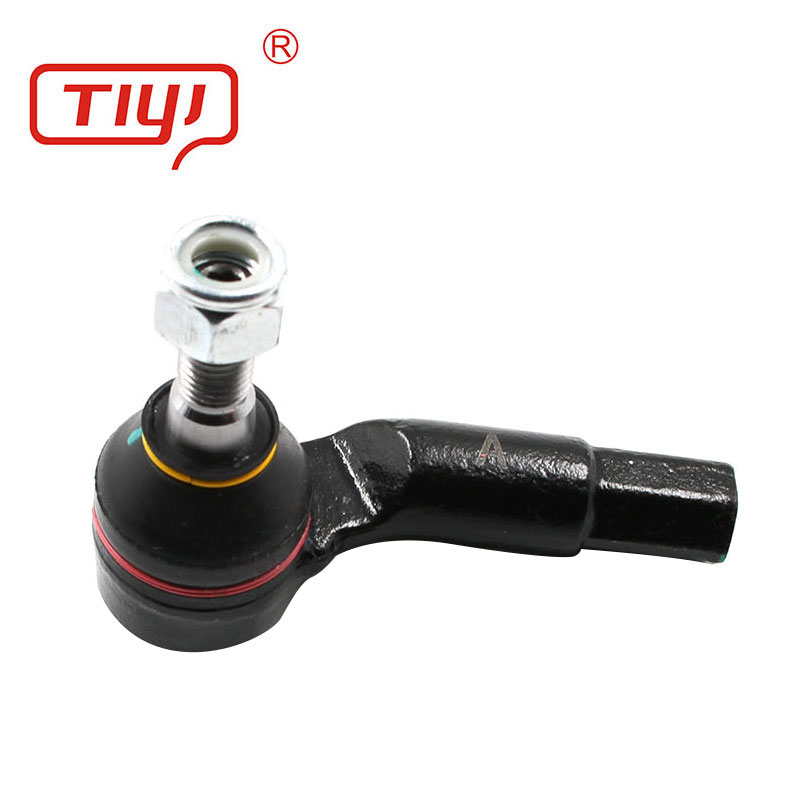
VW Lavida A4 2008-/Tie Rod End/OEM:1J0422811B
View More -
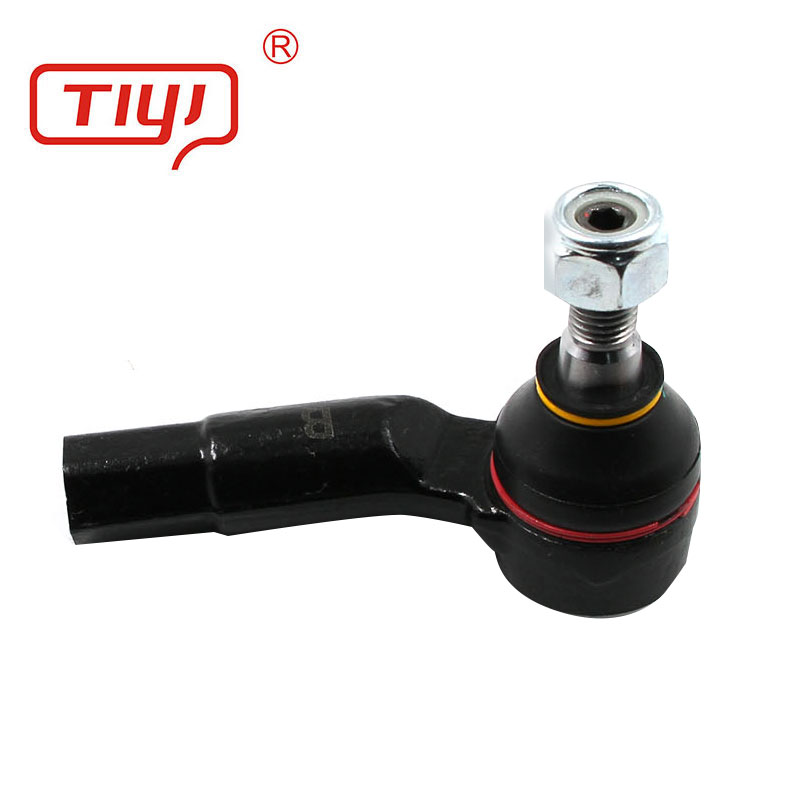
VW Lavida A4 2008-/Tie Rod End/OEM:1J0422812B
View More -
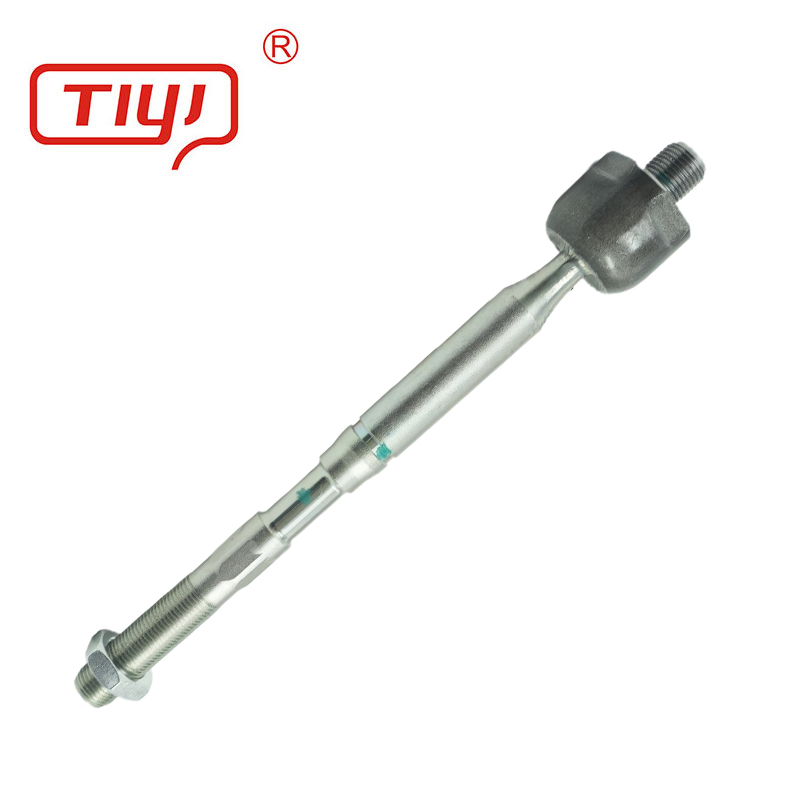
TOYOTA Rongfang 4th 3rd generation 2005-2013/Rack End/OEM: 45503-42030
View More -
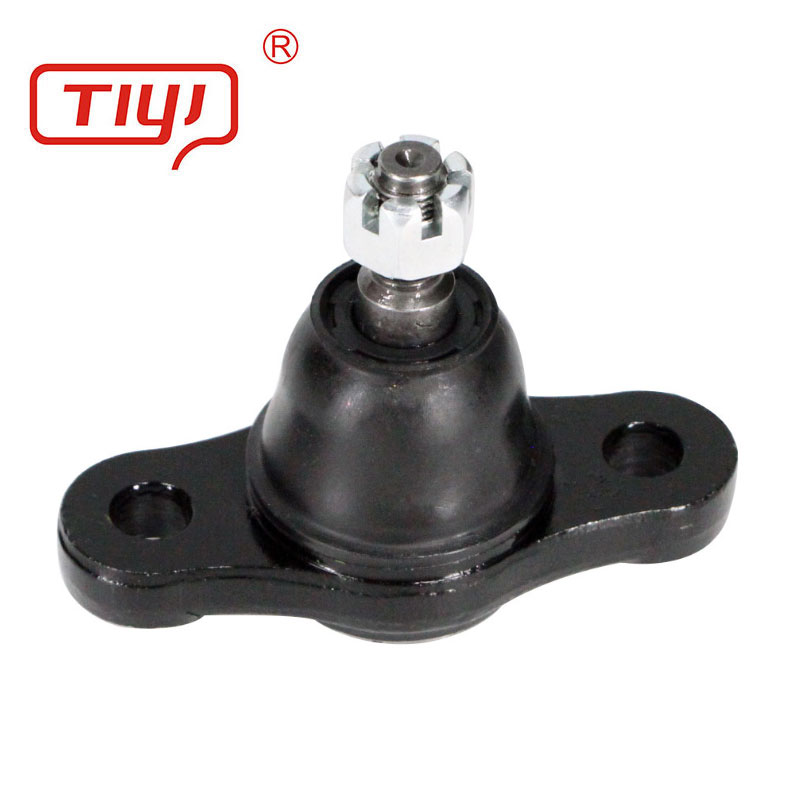
Hyundai Elantra 2000-2007/BALL JOINT/OEM:51760-0Q000
View More -
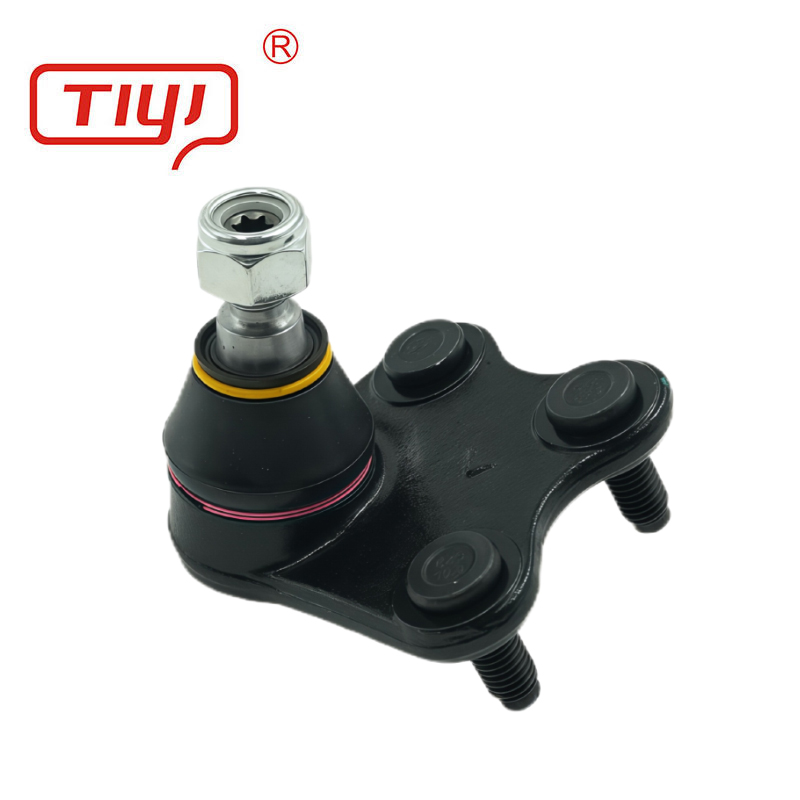
VW NEW JETTA/NEW SANTANA 2013-/BALL JOINT/OEM:6RD407365
View More -
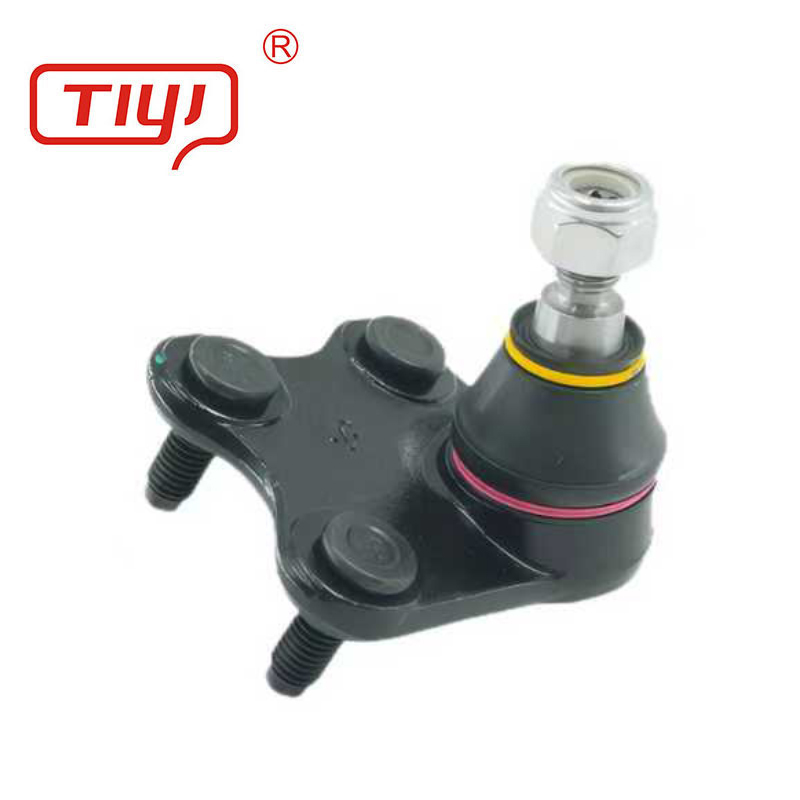
VW NEW JETTA/NEW SANTANA 2013-/BALL JOINT/OEM:6RD407366
View More
-



-
Quick Links
About Us Products Capabilities Support News & Events Contact Us -
Product Range
Rack End Tie Rod End Stabilizer Link Control Arm Ball Joint -
Address
No. 1471, Qingliu East Road, Chuzhou City, Anhui Province, China
