

 English
 中文简体
中文简体
 Español
 عربى
عربى

What You Need to Know About Ball Joints: Maintenance, Replacement, and the Growing Customization Trend?
 Administrator
 2025-12-10
Content
- A Comprehensive Guide to a Critical Suspension Component for Modern Drivers and the Evolving Aftermarket
- The Fundamental Mechanics: What a Ball Joint Does and Why It Matters
- Diagnosing Trouble: Clear Signs Your Ball Joints Need Attention
- The Professional Inspection: How Mechanics Assess Ball Joint Health
- The Replacement Procedure: A Step-by-Step Overview
- The Landscape of Replacement Parts: OEM, Aftermarket, and Custom
- Making the Right Choice for Your Vehicle and Needs
- Conclusion: Proactive Care in an Evolving Parts Market
A Comprehensive Guide to a Critical Suspension Component for Modern Drivers and the Evolving Aftermarket
In the intricate world of automotive maintenance, few components carry as much responsibility with as little recognition as the ball joint. This small, pivotal part hidden within your vehicle's suspension system is fundamental to both steering control and ride comfort. For owners of widely-driven models like the Volkswagen Jetta and Santana, understanding this component is not just about vehicle upkeep—it's a matter of safety. As vehicles age and driving patterns diversify, a significant trend is reshaping the replacement parts industry: the acceptance of product customization. This movement goes beyond simple repair, offering tailored solutions for specific performance needs, environmental conditions, and vehicle modifications. This comprehensive article delves deep into the universe of ball joints, from their basic function and warning signs of failure to the detailed replacement process and the practical realities of obtaining customized parts for your vehicle.
The Fundamental Mechanics: What a Ball Joint Does and Why It Matters
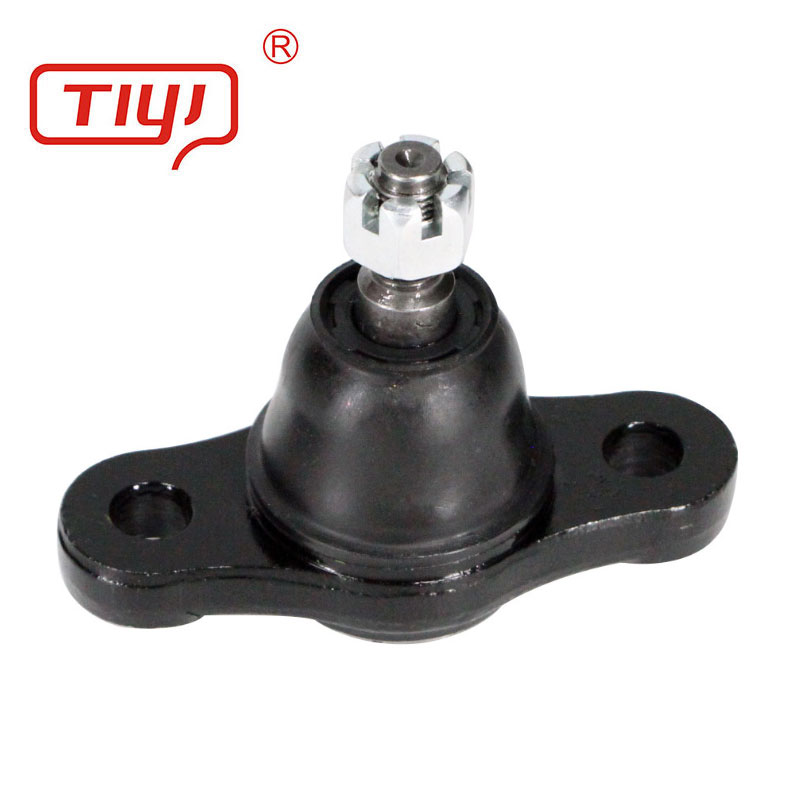
A ball joint is essentially a precision spherical bearing that serves as the main pivot point between your vehicle's suspension and its wheels. It is the critical link that allows two necessary but opposing types of movement: the vertical oscillation of the wheels over bumps and the horizontal pivoting for steering. This ball-and-socket design, similar to the human shoulder, is encapsulated within a sturdy metal housing. Inside, a chrome-plated or hardened steel ball stud rotates and swivels within a polymer or metal socket, all bathed in high-temperature grease to minimize friction and wear.
The entire assembly is protected from the external environment by a flexible dust boot, typically made of rubber, polyurethane, or silicone. This boot is the joint's first line of defense, sealing in lubrication and sealing out destructive contaminants like road salt, water, grit, and brake dust. The integrity of this boot is often the determining factor in the lifespan of the ball joint itself. Once the boot is compromised, the grease escapes, contaminants enter, and accelerated wear begins, leading to increased play and eventual failure.
In most independent front suspension systems, you will find two ball joints per wheel: an upper and a lower. They work in concert to maintain proper wheel alignment (specifically camber and caster angles) while bearing a substantial portion of the vehicle's weight. The lower ball joint, in particular, is often the load-bearing joint, sustaining the force of the vehicle's mass. This constant stress, combined with the dynamic forces of cornering, braking, and accelerating, makes the ball joint a consumable item that will require attention over the life of the vehicle.
| Component | Primary Function | Consequence of Failure |
|---|---|---|
| Ball Stud & Socket | Provides pivoting movement for steering and suspension articulation. | Excessive play causes imprecise steering, knocking noises, and alignment issues. |
| Dust Boot | Seals in grease and seals out contaminants (dirt, water, salt). | A torn boot leads to rapid grease loss, contamination, and accelerated joint wear. |
| Grease | Reduces friction, prevents corrosion, dissipates heat. | Without grease, metal-on-metal contact causes heat, rapid wear, and seizure. |
| Housing & Mounting | Secures the joint to the control arm and handles structural loads. | Fatigue or damage can lead to complete joint separation, a catastrophic failure. |
Diagnosing Trouble: Clear Signs Your Ball Joints Need Attention
Ball joint failure is rarely sudden; it typically provides audible, tactile, and visual warnings over time. Learning to recognize these signs can prevent a minor repair from turning into a dangerous roadside failure or a more expensive suspension overhaul.
Audible Clues: The most common early symptom is a repetitive knocking, clunking, or popping sound emanating from the front corner of the vehicle. This noise is most noticeable when driving at low speeds over uneven surfaces like speed bumps, potholes, or brick roads. The sound is created by the worn components moving and striking each other within the now-loose joint.
Steering and Handling Changes: As wear increases, drivers may notice a degradation in steering precision. The steering wheel may feel loose or vague, with a slight delay between input and the vehicle's response. In more advanced stages, the vehicle may wander or pull persistently to one side, especially under braking, as the worn joint allows the wheel geometry to shift under load.
Visual and Physical Indicators: Uneven tire wear, particularly excessive wear on the inner or outer shoulders of the front tires, is a strong indicator of an alignment problem often rooted in bad ball joints. In a severe case, a visual inspection with the vehicle safely lifted and the wheel off the ground can reveal vertical or horizontal play when the tire is manipulated by hand (a job best left to a mechanic using proper tools). Some vehicles even have wear indicators on the joint—a small nipple that recedes as the joint wears down.
It is important to differentiate ball joint symptoms from other common front-end issues. While a bad strut mount might also cause a clunk, it often does so when turning the steering wheel while stationary. Wheel bearings typically produce a constant humming or grinding noise that changes with speed. A systematic inspection is key to an accurate diagnosis.
The Professional Inspection: How Mechanics Assess Ball Joint Health
A professional inspection is the definitive way to assess the condition of your ball joints. Technicians don't just rely on listening for noises; they perform specific, measurable tests.
The primary test involves checking for excessive play. The method depends on the joint type. For many vehicles, the technician will use a large pry bar to apply upward pressure under the tire (with the vehicle lifted and the suspension loaded on a jack stand) while observing the joint. Any visible upward movement of the ball stud relative to its housing indicates significant wear. For a more precise measurement, a dial indicator gauge can be mounted to measure play down to thousandths of an inch. Most manufacturers provide a maximum allowable play specification, often around 0.050 inches.
A thorough inspection also includes a careful evaluation of the dust boot. Any crack, tear, split, or signs of grease leakage is a red flag. Even if the joint feels tight, a compromised boot means failure is imminent as contaminants have likely already begun their destructive work inside the joint. Finally, the technician will check for any signs of corrosion, stress cracks in the metal housing, or looseness in the joint's mounting to the control arm.
| Inspection Method | Process | What It Reveals |
|---|---|---|
| Pry Bar / Loaded Check | Lift vehicle, support lower control arm to load suspension. Use pry bar to apply force under tire. | Excessive vertical play in the load-bearing (typically lower) ball joint. |
| Hand Manipulation / Unloaded Check | Lift vehicle by frame, letting suspension hang free. Grasp tire at top and bottom and rock in/out. | Horizontal play in the joint, often checked for non-load-bearing upper joints. |
| Dial Indicator Measurement | Mount gauge to measure movement of ball stud relative to housing. | Precise, quantifiable measurement of wear against factory specifications. |
| Visual Boot Inspection | Direct examination of the rubber/plastic dust cover for integrity. | Contamination risk. A damaged boot predicts future joint failure. |
The Replacement Procedure: A Step-by-Step Overview
Replacing a ball joint is a substantive repair that requires mechanical knowledge, proper tools, and a focus on safety. While specific steps vary by vehicle, the general process for a common pressed-in style ball joint, like those found on many Volkswagen models, follows a standard pattern.
1. Preparation and Safety: The vehicle is securely lifted and placed on jack stands. The front wheel is removed, providing access to the suspension. It's often helpful to spray the ball joint stud nut and taper with a penetrating oil beforehand to ease disassembly.
2. Separating the Joint from the Steering Knuckle: This is often the most challenging step. The ball joint stud is connected to the steering knuckle via a tapered fit, locked with a castellated nut and cotter pin. After removing the cotter pin and nut, a special tool called a ball joint separator (or a "pickle fork" used carefully to avoid boot damage) is employed to break the taper free without damaging the knuckle.
3. Removing the Old Joint from the Control Arm: Once separated, the old ball joint must be pressed out of the control arm. This requires a specific ball joint press kit—a large C-clamp with adapters that fit the joint's shape. The press slowly and forcefully pushes the joint out of its bore. In some older designs, the joint may be riveted in place, requiring drilling out the rivets.
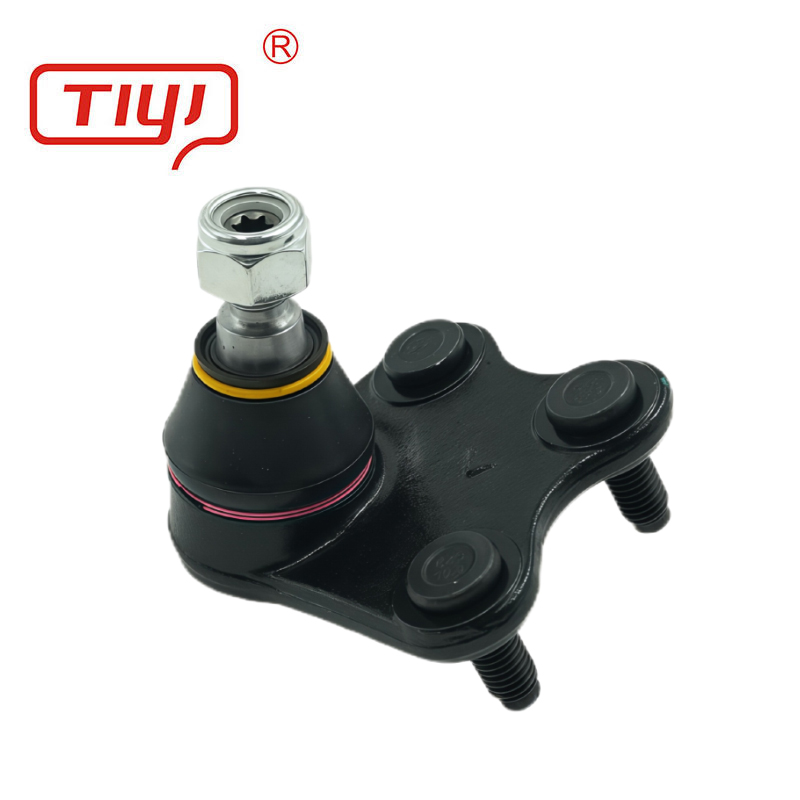
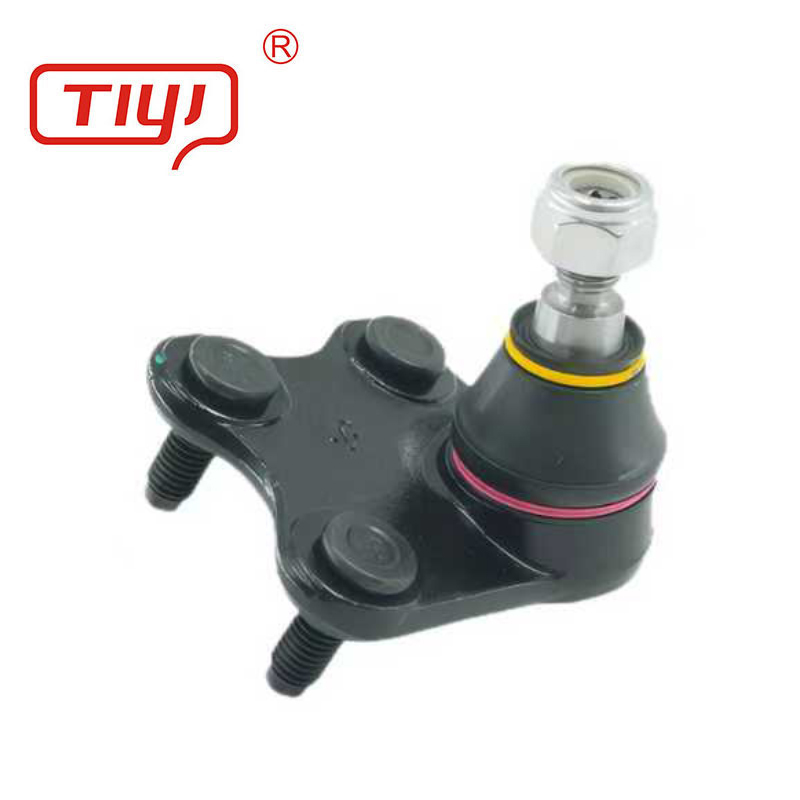
4. Installing the New Joint: The new joint, such as the correct specification VW NEW JETTA/NEW SANTANA 2013-/BALL JOINT, is then pressed into the cleaned control arm bore using the same press tool. It must be seated squarely and completely. Some joints are bolt-in designs, which simplify this step considerably.
5. Reassembly and Critical Final Steps: The ball joint stud is reinserted into the steering knuckle, and the new nut is torqued to the vehicle manufacturer's exact specification. A new cotter pin is installed. Once both sides are complete, a front-end wheel alignment is absolutely mandatory. Disturbing the suspension geometry will have altered the toe, camber, and caster settings, and driving without an alignment will lead to rapid tire wear and potentially unsafe handling.
The Landscape of Replacement Parts: OEM, Aftermarket, and Custom
When selecting a replacement ball joint, consumers navigate a market with several tiers of quality and a new frontier of customization.
Genuine OEM (Original Equipment Manufacturer): These are the exact parts supplied to the vehicle assembly line or the dealer's parts department. They offer guaranteed fit, performance, and materials that match the original design. They are a benchmark for quality but often come with a higher price.
Aftermarket Parts: This is a vast category produced by independent companies. Quality ranges widely:
- Economy Tier: Meets basic functional specifications. May use simpler materials or processes and often has a shorter expected service life. Suitable for short-term ownership or resale.
- Standard/OE Quality Tier: The most common choice for repair shops. Brands in this category strive to match or closely approximate OEM fit and durability, often at a better price point. They represent a strong balance of value and reliability.
- Performance Tier: Offered by specialty manufacturers, these parts may use upgraded materials (e.g., Teflon-impregnated sockets, forged housings) or designs intended for increased strength and longevity under demanding conditions.
The Customization Frontier: "Accepting product customization" signifies a shift where manufacturers are willing to alter a standard product to meet a client's specific requirements. For a ball joint, this isn't about cosmetic changes but functional engineering adaptations. A fleet operator in a cold, salt-heavy climate might order a batch of joints with silicone boots and marine-grade grease for enhanced corrosion resistance. An off-road enthusiast might need joints with a greater angular range of motion to accommodate lifted suspension. This process requires direct consultation with the manufacturer or a specialized distributor, understanding minimum order quantities, and longer lead times. It represents a move from a one-size-fits-most market to a solutions-oriented partnership for specific use cases.
| Part Type | Key Characteristics | Ideal Use Case |
|---|---|---|
| Genuine OEM | Guaranteed fit and factory specifications. Higher cost. | Owners seeking exact factory restoration or with strong brand preference. |
| Quality Aftermarket (OE Equivalent) | Balance of fit, durability, and value. Widely available. | The standard choice for most repairs and long-term maintenance. |
| Performance Aftermarket | Upgraded materials (forgings, better boots). May have extended range of motion. | Enthusiast vehicles, modified suspensions, or severe-duty applications. |
| Customizable | Tailored specifications (boot material, grease, metal treatment). MOQs apply. | Commercial fleets with specific needs, specialty vehicle builders, racing. |
Making the Right Choice for Your Vehicle and Needs
Choosing the correct ball joint involves a practical assessment of several factors: your vehicle's age and value, your driving habits, your budget, and your long-term plans for the car.
For a newer vehicle under warranty or one you plan to keep for many years, investing in high-quality parts—whether genuine OEM or a trusted aftermarket brand—is a wise decision. It protects your investment and ensures predictable performance. For an older vehicle with lower market value, a reliable standard aftermarket part may offer the most practical value, providing safe operation without excessive cost.
The decision to explore customization should be driven by a clear, identifiable need that standard parts cannot address. Are you operating a vehicle in an environment that consistently destroys standard rubber boots? Is your suspension modified in a way that alters the geometry or stress on the joint? If the answer is yes, then the additional cost and effort of sourcing a customized component like a specially-built VW NEW JETTA/NEW SANTANA 2013-/BALL JOINT could result in longer service life, less downtime, and greater reliability, ultimately providing better value.
Always consult with a trusted mechanic or parts specialist. They can provide insights based on your specific vehicle model—common failure points, recommended brands, and the complexity of the replacement job. They can also advise if a reported symptom truly points to the ball joint or another component in the suspension system.
Conclusion: Proactive Care in an Evolving Parts Market
The humble ball joint stands as a testament to the importance of robust engineering in unseen places. Its role is simple—to provide a flexible, durable pivot—but its failure carries significant risk. In today's automotive ecosystem, drivers are no longer limited to a binary choice between cheap and expensive replacements. The aftermarket offers a spectrum of quality, and the emerging acceptance of customization opens doors for drivers and businesses with specific, demanding requirements.
Staying informed is the first step. Listen to your vehicle, heed the warning knocks and changes in feel, and don't delay a professional inspection. When replacement is necessary, view the process as an investment in safety. Whether you select a standard, high-quality replacement or investigate a tailored solution, the goal is the same: to restore the secure, precise, and reliable connection between your steering wheel and the road. By understanding the technology, the market, and the trends, you can make confident decisions that ensure your vehicle remains safe and responsive for every journey ahead.
-


-
Quick Links
About Us Products Capabilities Support News & Events Contact Us -
Product Range
Rack End Tie Rod End Stabilizer Link Control Arm Ball Joint -
Address
No. 1471, Qingliu East Road, Chuzhou City, Anhui Province, China
