

 English
 中文简体
中文简体
 Español
 عربى
عربى

What You Need to Know About Suspension Maintenance for Older Vehicles?
 Administrator
 2025-12-10
Content
- Understanding Critical Components That Keep Your Car Safe and Stable
- The Critical Link: Understanding the Ball Joint's Role in Your Vehicle
- Recognizing the Warning Signs: Is Your Car Trying to Tell You Something?
- The Repair Process Explained: From Diagnosis to Road Test
- Choosing the Right Part: Navigating the World of Replacements
- Case Study: Maintaining a Popular Model for the Long Haul
- A Practical Maintenance Checklist for High-Mileage Vehicles
- Conclusion: Informed Ownership Ensures Safety and Value
Understanding Critical Components That Keep Your Car Safe and Stable
As vehicles age and accumulate mileage, certain components naturally wear out and require replacement. For owners of reliable cars from the early 2000s, proactive maintenance is the key to extending their vehicle's safe and dependable service life. Among the most critical systems requiring attention is the suspension—the complex network of parts that connects your car to the road, manages bumps, and ensures precise steering.
This article serves as a comprehensive guide for owners of aging vehicles. We will demystify a key suspension component, explain the clear signs of wear, walk through the repair process, and discuss why part selection matters. Our goal is to provide you with practical, actionable knowledge to help you maintain your vehicle's safety, handling, and value for years to come.
The Critical Link: Understanding the Ball Joint's Role in Your Vehicle
Your car's front suspension has a challenging job: it must support the vehicle's weight, absorb impacts from the road, and allow the wheels to turn for steering. Connecting these functions requires specialized components that can pivot and swivel under tremendous pressure. The ball joint is one such component, acting as a durable, rotating pivot point.
Think of it like the ball-and-socket joint in your hip or shoulder. In a vehicle, the "socket" is typically housed in the control arm (which connects to the frame), and the "ball stud" is attached to the steering knuckle (which holds the wheel and brake). This ingenious design allows for two types of movement simultaneously: the up-and-down motion needed to absorb bumps and the left-to-right pivoting required for steering. Every time you turn the wheel or drive over uneven pavement, the ball joint is at work, making it a wear item that will eventually need service.
It is sealed within a protective rubber or polyurethane boot packed with grease. This boot is vital—it keeps lubrication in and contaminants like dirt, salt, and moisture out. A torn or cracked boot often accelerates wear, leading to the need for premature replacement.
| Vehicle System | Key Wear Components | Primary Function |
|---|---|---|
| Steering & Suspension | Ball Joints, Tie Rod Ends, Control Arm Bushings, Struts | Provide control, stability, and ride comfort; connect wheels to vehicle. |
| Braking | Pads, Rotors, Calipers | Slow and stop the vehicle safely. |
| Drivetrain | CV Axles, Wheel Bearings | Transfer power from the engine to the wheels and allow smooth rotation. |
Recognizing the Warning Signs: Is Your Car Trying to Tell You Something?
Suspension wear happens gradually. Your vehicle will usually provide audible and tactile warnings long before a component fails. Being an attentive driver and listener is your first line of defense in preventative maintenance.
Listen for New Noises: The most common early symptom is a distinct clunking or knocking sound from the front end when driving over bumps, potholes, or uneven driveway lips. This sound is caused by excessive play inside a worn joint. You might also hear a creaking or squeaking during slow-speed turns, indicating dry or worn components.
Feel for Changes in Handling: Pay attention to the steering wheel. Does it feel loose or vague, requiring constant small corrections to go straight (a symptom called "wandering")? Do you feel a new vibration or shimmy, especially at highway speeds? These sensations often point to wear in the steering linkage or suspension joints.
Look for Visual Clues: Uneven tire wear is a major red flag. If the inner or outer edges of your front tires are wearing down faster than the center, it often signals an alignment problem caused by worn suspension parts. During oil changes, ask your technician to check the condition of the rubber boots on the ball joints and tie rod ends.
| Symptom | What It Typically Means | Recommended Action |
|---|---|---|
| Loud clunk over bumps | Excessive play in a ball joint, sway bar link, or other connection. | Schedule a professional suspension inspection promptly. |
| Steering wheel vibration | Could be unbalanced tires, but also worn components causing instability. | Check tire balance first, then inspect suspension if problem persists. |
| Car pulls to one side | Worn component, sticking brake caliper, or alignment issue. | Inspect brakes and suspension; perform wheel alignment. |
| Uneven tire wear patterns | Suspension wear has altered wheel alignment angles (toe, camber). | Inspect all front-end components and perform a full alignment after repairs. |
The Repair Process Explained: From Diagnosis to Road Test
When symptoms point to a worn suspension component, knowing what to expect can make the repair process less daunting and help you ensure the job is done correctly.
1. Professional Diagnosis is Essential: While you may notice symptoms, a technician needs to confirm the exact cause. They will lift the vehicle and use specialized tools to check for play in each joint. They should be able to show you the movement in the faulty part. A good diagnosis also checks related components—if one joint is worn, others may be close behind.
2. Understanding Your Repair Estimate: Request a written, itemized estimate. It should list the specific parts to be replaced, their cost, and the labor involved. Don't hesitate to ask questions: "Is this an OEM or aftermarket part?" "Are you replacing the entire control arm or just the press-in ball joint?" "Does the quote include a wheel alignment?" A reputable shop will provide clear answers.
3. The Replacement Procedure: Replacing a ball joint is a significant repair. It involves safely supporting the vehicle, removing the wheel and often the brake caliper and rotor, and using a press or special tools to separate the old joint from the steering knuckle and control arm. Installation of the new part must be done precisely, with all fasteners torqued to the manufacturer's exact specifications. For models like the Hyundai Elantra 2000-2007/BALL JOINT, following the factory procedure is key for a safe, lasting repair.
4. The Non-Negotiable Final Step: Wheel Alignment: This is critical. Any suspension or steering repair will change the vehicle's alignment. Driving on misaligned wheels, even for a short time, will cause rapid, expensive tire wear and may undo the benefits of the repair. A professional alignment sets the camber, caster, and toe angles to factory specs, ensuring your car drives straight, handles properly, and maximizes tire life.
The quality of the replacement part you choose has a direct impact on the safety, longevity, and performance of your repair. The market offers a wide range, from very economical options to premium-grade components.
OEM vs. Aftermarket Parts: An Original Equipment Manufacturer (OEM) part is made by the vehicle's manufacturer or their original supplier. It is designed to be an exact match in fit, material, and performance. Aftermarket parts are made by other companies and can vary widely in quality. Some are built to meet or exceed OEM standards, while others may use different materials or manufacturing processes to achieve a lower price point.
Why Precision Matters: Suspension geometry is precise. A component that is slightly different in size, stud angle, or hardness can affect handling, cause premature wear on other parts, and make proper alignment difficult or impossible. For critical safety components, many experts recommend sticking with OEM or high-quality, brand-name aftermarket parts to ensure predictable results.
Consider the Total Cost of Ownership: A less expensive part might save money initially, but if it wears out in 30,000 miles instead of 80,000, you'll pay for labor twice. Investing in a durable component often makes long-term economic sense, especially if you plan to keep the vehicle for several more years.
| Part Type | Key Characteristics | Consideration for Vehicle Owners |
|---|---|---|
| OEM (Genuine) | Exact factory match. Known quality and fit. Often comes with a warranty. | Ideal for owners seeking to restore original performance and planning long-term ownership. |
| Premium Aftermarket | High-quality materials. Often meets or exceeds OEM specs. May offer performance enhancements. | A strong choice from reputable brands, often with a good balance of quality and value. |
| Economy Aftermarket | Lower cost. Quality and durability can be inconsistent. | May be suitable for short-term ownership or very budget-conscious repairs, but inspect carefully. |
Case Study: Maintaining a Popular Model for the Long Haul
Vehicles from the 2000-2007 period, including many compact sedans, are renowned for their straightforward engineering and durability. With proper care, they can remain safe, economical, and reliable transportation well beyond typical mileage benchmarks. Owners often report high levels of satisfaction, noting their cars' ability to handle daily commuting and long-distance travel with minimal issues.
The longevity of these vehicles is not accidental; it results from robust design and, importantly, diligent maintenance. Replacing wear items like suspension components isn't a sign of a failing car—it's a normal part of the ownership cycle for any high-mileage vehicle. Addressing these needs promptly preserves the safe, "tight" feeling that drivers appreciate and prevents secondary damage to more expensive parts like tires.
This proactive approach also protects your investment. A well-maintained older car with documented service history retains more value and is far more attractive to potential buyers than a neglected one. It demonstrates that the vehicle has been cared for by a responsible owner.
A Practical Maintenance Checklist for High-Mileage Vehicles
To help keep your older vehicle in safe and reliable condition, consider this expanded maintenance checklist beyond standard oil changes:
Regular Inspections (Every Oil Change or 6 Months):
- Check suspension component boots for cracks or tears.
- Have a technician check for play in ball joints and tie rod ends.
- Monitor tire wear patterns for unevenness.
- Listen for new noises when driving over bumps.
Systematic Services (Based on Mileage & Inspection):
- Steering & Suspension: Replace worn ball joints, tie rods, struts/shocks, and control arm bushings as needed. Always follow with a wheel alignment.
- Braking System: Replace pads and rotors, flush brake fluid every 2-3 years.
- Drivetrain: Inspect and replace worn CV axle boots, check wheel bearings.
- Engine: Replace timing belt/chain per factory schedule, change coolant, replace old rubber hoses and belts.
Documentation: Keep detailed records of all inspections, services, and repairs. This logbook is invaluable for troubleshooting future issues and proving the vehicle's maintenance history.
Conclusion: Informed Ownership Ensures Safety and Value
Maintaining an older vehicle is a partnership between you, your car, and your trusted repair professional. Understanding the role of critical systems like the suspension empowers you to recognize problems early, make informed decisions about repairs, and communicate effectively with your mechanic.
When it comes to safety-critical components, quality matters. Choosing well-made parts, insisting on proper installation techniques, and never skipping the post-repair wheel alignment are investments in your safety and your vehicle's future performance. For owners of dependable cars from the early 2000s, this proactive, knowledgeable approach is the surest way to enjoy many more miles of safe, comfortable, and confident driving. Your vehicle has served you well for years; with the right care and attention, it can continue to do so for years to come.
Related Products
-
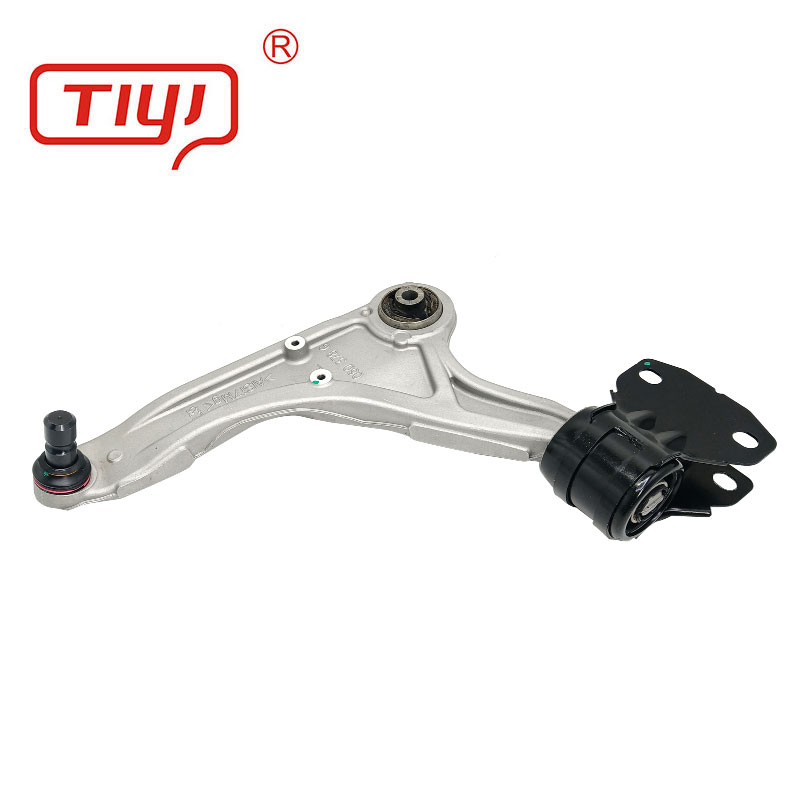
Ford Mondeo 2013-2015/LOWER CONTROL ARM/OEM: FG9C3A052ANB
View More -
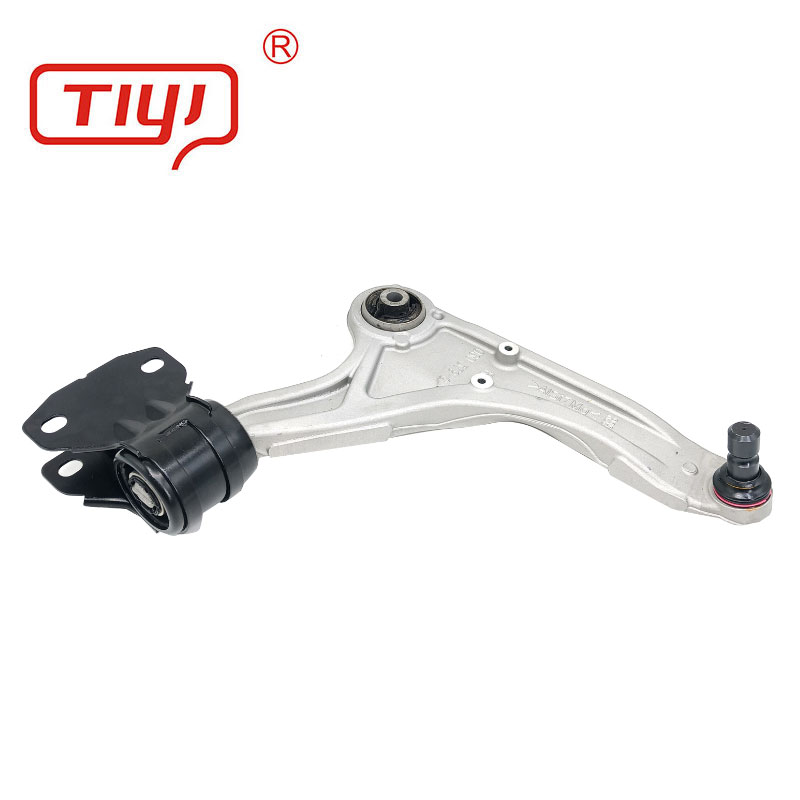
Ford Mondeo 2013-2015/LOWER CONTROL ARM/OEM:DG9C3A053ANE
View More -
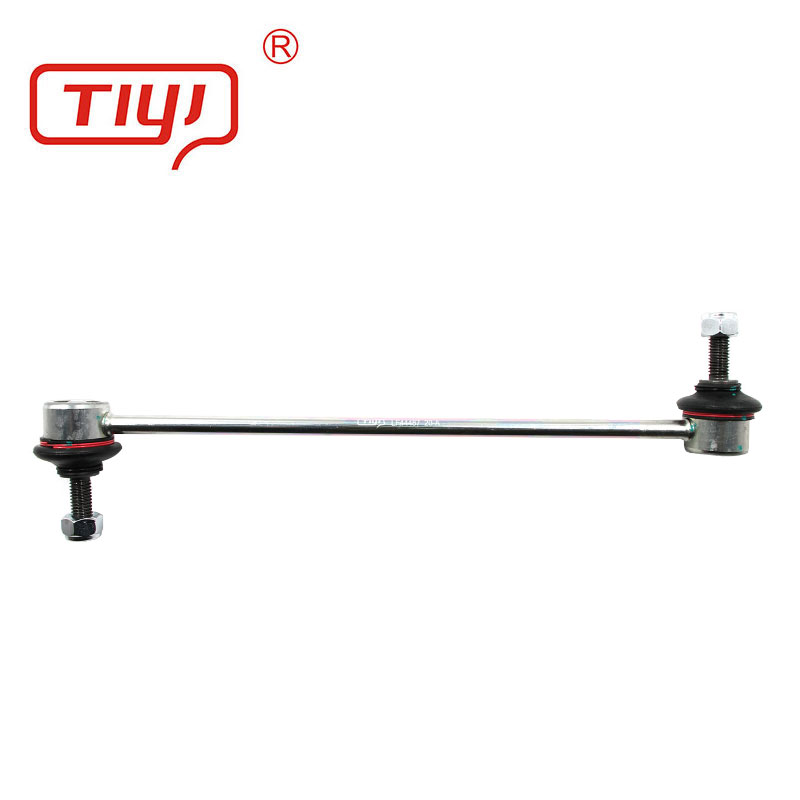
MAZDA 3(2006-2010)/FORD KUGA 13-/ LINCOLN MKC 2013-2017/VOLVO XC60 09-/FRONT LINKOEM: AV613B438BA
View More -
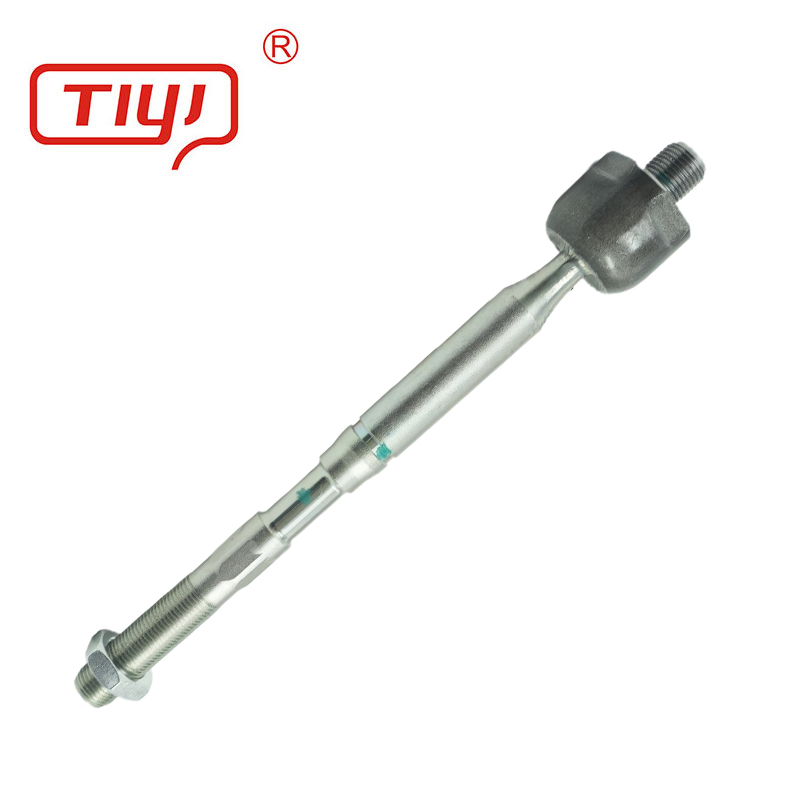
TOYOTA Rongfang 4th 3rd generation 2005-2013/Rack End/OEM: 45503-42030
View More
-



-
Quick Links
About Us Products Capabilities Support News & Events Contact Us -
Product Range
Rack End Tie Rod End Stabilizer Link Control Arm Ball Joint -
Address
No. 1471, Qingliu East Road, Chuzhou City, Anhui Province, China
