

 English
 中文简体
中文简体
 Español
 عربى
عربى

What is an auto stabilizer link, and what role does it play in a car's suspension system?
 Administrator
 2025-12-24
The Auto Stabilizer Link, also known as a sway bar link or anti-roll bar link, is a crucial component in a vehicle's suspension system. Its primary function is to connect the stabilizer bar (sway bar) to the vehicle's suspension components, helping to reduce body roll during cornering, improve vehicle stability, and enhance driving safety.
Content
- Key Functions of the Auto Stabilizer Link
- Components and Materials of Auto Stabilizer Links
- How the Auto Stabilizer Link Works
- Types of Auto Stabilizer Links
- Signs of a Worn or Faulty Auto Stabilizer Link
- Comparing Auto Stabilizer Link with Other Suspension Components
- Installation and Maintenance Tips
- Benefits of Upgrading or Replacing Auto Stabilizer Links
- Common FAQs about Auto Stabilizer Links
- Conclusion
Key Functions of the Auto Stabilizer Link
- Reducing Body Roll: When a car takes a turn, the body tends to lean outward due to centrifugal force. The Auto Stabilizer Link transfers forces from one side of the suspension to the other, minimizing this roll.
- Enhancing Vehicle Stability: By evenly distributing the load across the suspension, the stabilizer link improves overall vehicle control and reduces the risk of skidding or loss of traction.
- Maintaining Suspension Geometry: The link ensures that the sway bar and suspension arms move in harmony, maintaining correct suspension alignment and tire contact with the road.
- Improving Ride Comfort: While primarily for stability, a properly functioning stabilizer link also contributes to a smoother ride by absorbing minor road shocks.
Components and Materials of Auto Stabilizer Links
Auto stabilizer links typically consist of:
- Link Rod: The main connecting rod, often made of steel or aluminum for durability.
- Ball Joints or Bushings: Located at both ends, these allow rotational movement and reduce friction.
- Protective Boots: Rubber or polyurethane boots protect the joints from dust, dirt, and moisture, extending their lifespan.
High-quality Auto Stabilizer Links often use corrosion-resistant coatings and advanced synthetic materials to withstand harsh driving conditions.
How the Auto Stabilizer Link Works
When a vehicle encounters a cornering force, the suspension on one side compresses while the other side extends. The Auto Stabilizer Link transfers a portion of this force across the stabilizer bar to the opposite side of the suspension. This action reduces the differential movement between the left and right wheels, keeping the vehicle body more level and stable.
Visualizing the Function
- Without a stabilizer link, heavy body roll can occur, causing uneven tire contact and potential loss of traction.
- With a functioning link, the sway bar and link work together to keep tires firmly planted and improve cornering response.
Types of Auto Stabilizer Links
Auto stabilizer links can be categorized based on design and material:
- Standard Rod Links: Simple rod design with ball joints at both ends, commonly used in many passenger vehicles.
- Adjustable Links: Allow fine-tuning of the sway bar stiffness, often used in performance or off-road vehicles.
- Heavy-Duty Links: Reinforced designs for SUVs, trucks, or vehicles carrying heavy loads, providing extra durability.
- Polyurethane vs Rubber Bushings: Polyurethane offers better performance and longevity, while rubber provides smoother comfort and quieter operation.
Signs of a Worn or Faulty Auto Stabilizer Link
Recognizing early signs of a failing stabilizer link can prevent suspension damage and ensure safety:
- Clunking or rattling noises when driving over bumps.
- Excessive body roll during cornering.
- Uneven tire wear due to suspension misalignment.
- Loose or unstable handling at higher speeds.
Comparing Auto Stabilizer Link with Other Suspension Components
| Component | Primary Function | Relation to Auto Stabilizer Link |
|---|---|---|
| Shock Absorber | Dampens vertical suspension movement | Works with stabilizer link to maintain smooth ride and reduce body motion |
| Control Arm | Connects wheel hub to vehicle frame | Auto stabilizer link attaches to control arm for load transfer during cornering |
| Coil Spring | Supports vehicle weight and absorbs impact | Stabilizer link complements spring by controlling lateral motion |
Installation and Maintenance Tips
Proper installation and periodic maintenance are key to the longevity of Auto Stabilizer Links:
- Ensure correct torque settings when attaching to sway bar and control arms.
- Check for torn boots or worn bushings regularly.
- Replace both left and right links simultaneously for balanced performance.
- Use high-quality lubricants for joints if recommended by the manufacturer.
Benefits of Upgrading or Replacing Auto Stabilizer Links
- Improved vehicle handling and cornering stability.
- Enhanced ride comfort and reduced noise.
- Prolonged life of other suspension components.
- Better safety and reduced risk of tire wear or suspension failure.
Common FAQs about Auto Stabilizer Links
1. How long do Auto Stabilizer Links last?
Typically, stabilizer links can last anywhere from 50,000 to 100,000 kilometers, depending on driving conditions and quality of the component.
2. Can a car drive without a stabilizer link?
Technically, the vehicle can move, but driving without a functional Auto Stabilizer Link significantly increases body roll, reduces handling performance, and can compromise safety.
3. Is it necessary to replace the stabilizer link in pairs?
Yes, replacing both left and right links at the same time ensures balanced handling and prevents uneven stress on the suspension system.
4. What is the difference between a standard and adjustable stabilizer link?
Adjustable links allow fine-tuning of sway bar tension for performance driving or off-road conditions, while standard links offer fixed performance suitable for most everyday vehicles.
5. Can worn stabilizer links affect tire wear?
Yes, faulty links can cause uneven weight distribution during turns, leading to irregular tire wear and potentially reducing tire lifespan.
Conclusion
The Auto Stabilizer Link is an indispensable part of a modern vehicle's suspension system. By connecting the stabilizer bar to suspension components, it ensures reduced body roll, improved handling, and enhanced driving safety. Understanding its function, recognizing signs of wear, and performing timely maintenance can significantly improve vehicle performance and longevity.
Related Products
-
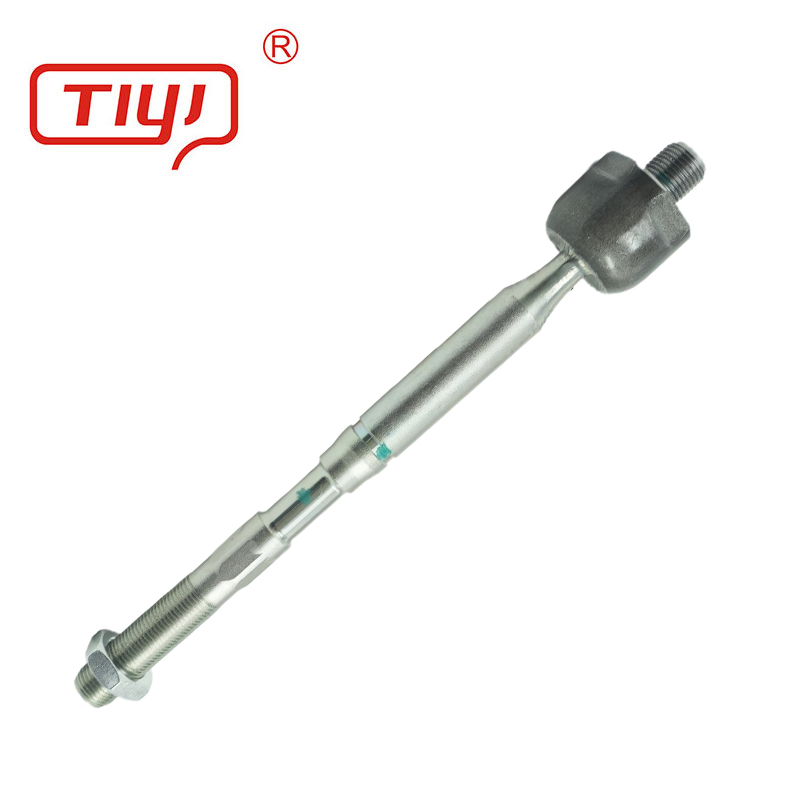
TOYOTA Rongfang 4th 3rd generation 2005-2013/Rack End/OEM: 45503-42030
View More -
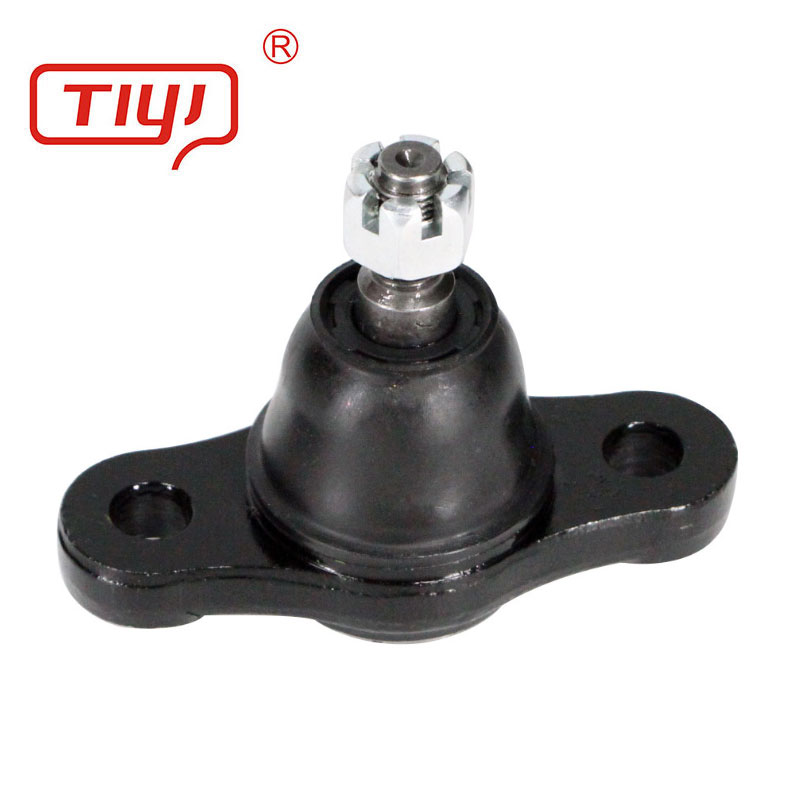
Hyundai Elantra 2000-2007/BALL JOINT/OEM:51760-0Q000
View More -
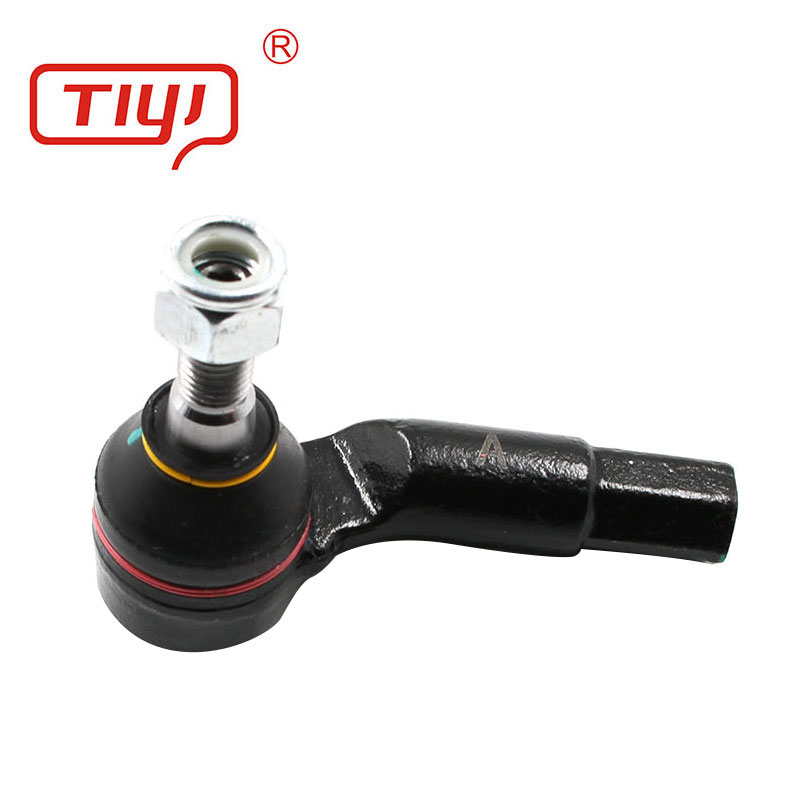
VW Lavida A4 2008-/Tie Rod End/OEM:1J0422811B
View More -
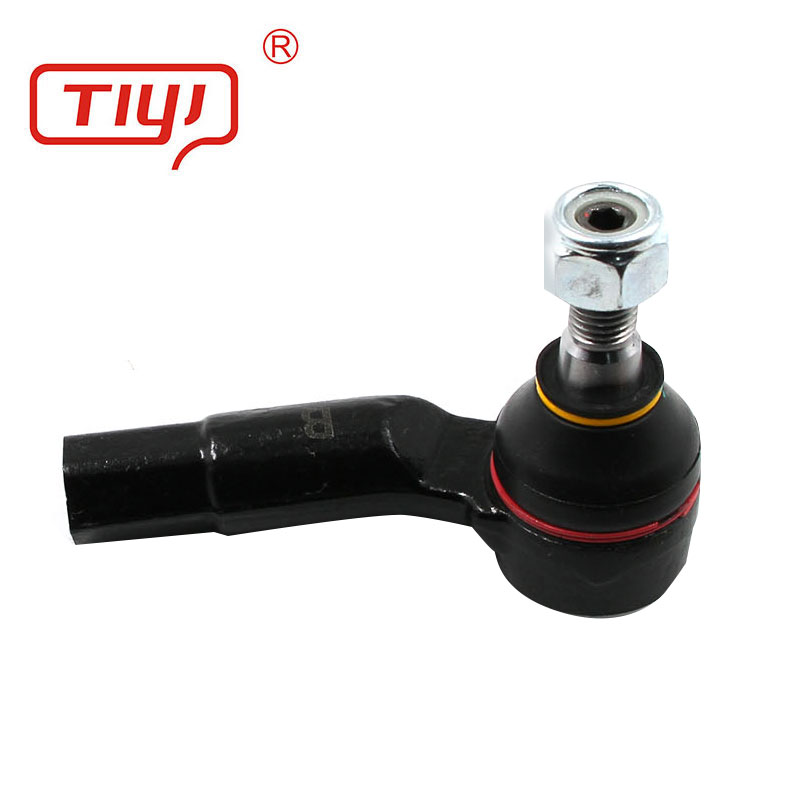
VW Lavida A4 2008-/Tie Rod End/OEM:1J0422812B
View More -
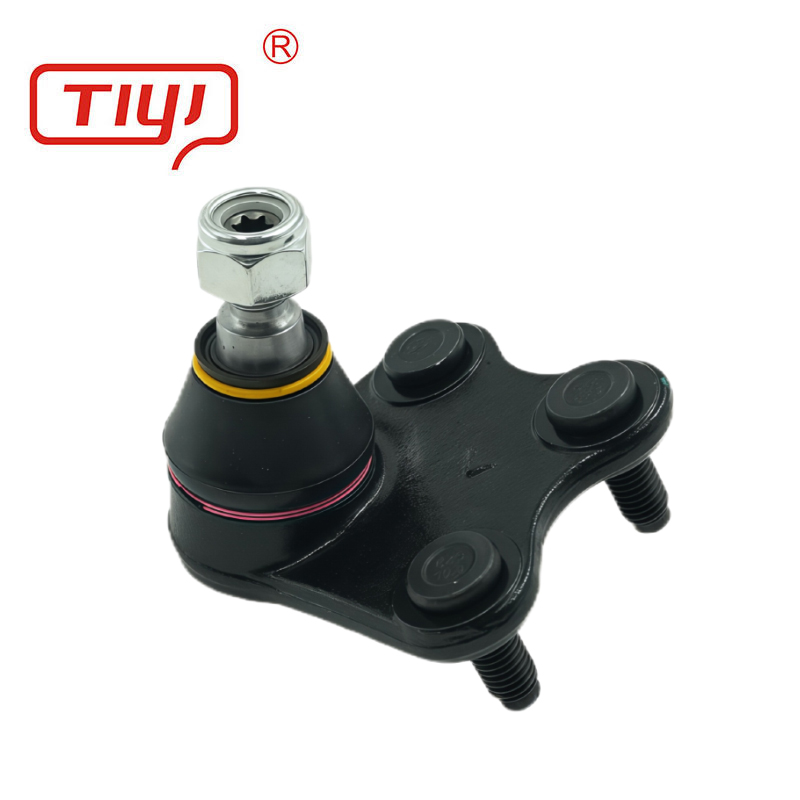
VW NEW JETTA/NEW SANTANA 2013-/BALL JOINT/OEM:6RD407365
View More -
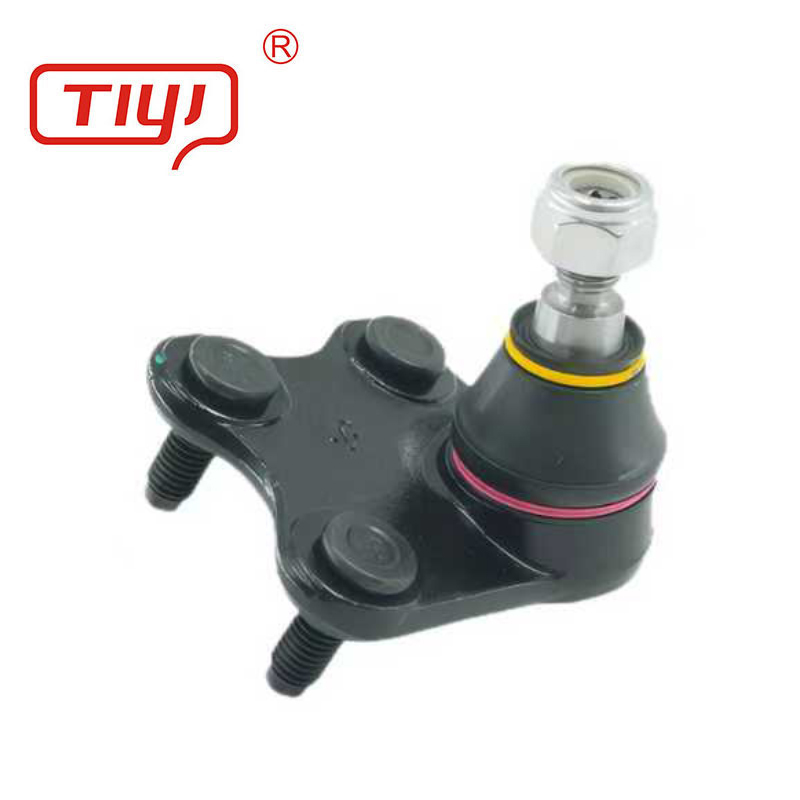
VW NEW JETTA/NEW SANTANA 2013-/BALL JOINT/OEM:6RD407366
View More
-


-
Quick Links
About Us Products Capabilities Support News & Events Contact Us -
Product Range
Rack End Tie Rod End Stabilizer Link Control Arm Ball Joint -
Address
No. 1471, Qingliu East Road, Chuzhou City, Anhui Province, China
