

 English
 中文简体
中文简体
 Español
 عربى
عربى

What Does an Upper Control Arm Do in Your Car's Suspension?
 Administrator
 2026-06-18
An upper control arm connects the top of the steering knuckle (or spindle) to the vehicle's frame or body, and its main job is to guide the wheel's vertical movement while keeping it properly aligned during steering, braking, and cornering. The upper control arm typically connects the top of the steering knuckle to the vehicle's frame or body structure, while the lower control arm connects to the bottom of the knuckle, and together these two arms provide stability, control, and flexibility in the suspension system. In most independent front suspension designs, the upper control arm is not the main load-bearing piece, since load is usually handled by the lower control arm, but it still plays a critical role in controlling camber angle, wheel travel, and overall handling precision. This article breaks down exactly how the upper control arm works, what happens when it fails, and how it compares to the lower control arm.
Content
- How Does an Upper Control Arm Work?
- Why Is the Upper Control Arm Important for Wheel Alignment?
- Which Vehicles Have an Upper Control Arm, and Which Don't?
- What Happens When an Upper Control Arm Fails?
- How Is an Upper Control Arm Different in Off-Road and Aftermarket Builds?
- How Should You Maintain or Replace an Upper Control Arm?
- Frequently Asked Questions
- Does the upper control arm carry the weight of the vehicle?
- Can a car be driven safely with a failing upper control arm?
- Why don't MacPherson strut vehicles have a separate upper control arm?
- What is the most common cause of upper control arm replacement?
- Do aftermarket upper control arms improve performance?
- Final Takeaway
How Does an Upper Control Arm Work?
An upper control arm works by pivoting on bushings at the frame side and a ball joint at the wheel side, allowing the wheel to travel up and down while the arm restricts unwanted side-to-side motion. The upper control arm usually has a metal arm with bushings at both ends, allowing it to pivot and absorb suspension movement, and it ensures the wheel moves vertically with minimal lateral motion, keeping the tire in contact with the road surface.
The component is generally built from one of three materials, each suited to a particular type of vehicle and use case:
- Stamped steel: the two-piece stamped upper control arm is the most common and affordable type, made by stamping steel into shape, and is strong enough for regular driving though it offers less weight reduction.
- Aluminum alloy: aluminum upper control arms are popular in performance and sports vehicles due to their lightweight and corrosion-resistant properties.
- Forged steel or cast aluminum: used in heavier-duty or off-road applications where additional strength under stress is required.
At the wheel end, the arm connects via a swiveling ball joint, which serves as part of the steering system's pivot point and allows the vehicle to be turned in either direction while moving forward or backward. At the frame end, the hinge joint with rubber bushings keeps the wheel in contact with the ground over both smooth pavement and rough terrain.
Why Is the Upper Control Arm Important for Wheel Alignment?
The upper control arm is important for wheel alignment because it directly controls camber angle, the tilt of the wheel relative to the vertical axis, which determines how much of the tire stays in contact with the road. Upper control arms are crucial in regulating camber angle, and overall stability is improved by proper camber alignment, which guarantees that the tires keep ideal contact with the road surface while cornering and braking.
This is also the main functional difference between the upper and lower arms in the suspension system. While upper control arms manage the vertical movement and alignment of the wheels, lower control arms are responsible for controlling horizontal movements, and both arms work in harmony to provide stability and control during cornering and various road conditions.
Upper Control Arm vs. Lower Control Arm
| Feature | Upper Control Arm | Lower Control Arm |
| Primary Function | Controls vertical movement and camber alignment | Controls horizontal movement, bears most load |
| Load Bearing Role | Generally not the main load-bearing piece | Typically supports most of the suspension load |
| Connection Point | Top of steering knuckle/spindle to frame | Bottom of steering knuckle/spindle to frame |
| Present in MacPherson Strut Design | No, replaced by the strut itself | Yes |
| Common Materials | Stamped steel, aluminum alloy | Stamped steel, cast iron, cast aluminum |
Functional comparison between upper and lower control arms in independent front suspension. Source: MOOG Parts, Gstpautoparts, and J.D. Power suspension guides.
Which Vehicles Have an Upper Control Arm, and Which Don't?
Not every vehicle has an upper control arm; vehicles with double-wishbone or multi-link suspension systems have both upper and lower control arms, while strut-type designs have a lower control arm but no separate upper arm, since the strut itself takes over that role. In strut designs, the strut becomes the upper control arm and is sometimes connected directly to the spindle or the lower control arm.
This distinction matters because it changes how the suspension geometry is engineered. A double wishbone design features both upper and lower control arms that work in tandem with each other to properly locate the wheel, and many vehicles have an upper and a lower control arm for each front wheel, connecting to the highest and lowest steering knuckle points. Some independent rear suspension setups use a similar arrangement, though this is less common than in front suspensions.
Suspension Types and Upper Control Arm Presence
| Suspension Type | Has Upper Control Arm? | Notes |
| Double Wishbone | Yes | Upper and lower arms work together for precise geometry |
| Multi-Link | Yes | Often multiple arms instead of a traditional single upper arm |
| MacPherson Strut | No | The strut itself replaces the upper control arm function |
| Independent Front Suspension (IFS), aftermarket off-road) | Yes | UCA guides spindle motion; lower arm typically bears the load |
Comparison of common suspension architectures and whether they include a dedicated upper control arm. Source: Wikipedia (Control Arm) and Alldogs Offroad Co-op.
What Happens When an Upper Control Arm Fails?
When an upper control arm fails, the most common symptoms are vehicle vibration, a wandering steering wheel, misalignment, wobbly wheels, and unusual grinding noises, all of which point to a breakdown in the suspension's ability to keep the wheel properly positioned. A damaged or improperly functioning control arm will exhibit these symptoms because the component can no longer maintain the geometry needed for stable, predictable handling.
There are three primary types of damage that affect a control arm, and each has a different root cause:
- Frame damage: frame damage can result from rust, extreme flexing, or breakage caused by a forceful impact or collision.
- Bushing damage: bushing damage generally occurs over time due to ordinary wear and tear from repeated suspension movement.
- Ball joint damage: ball joint damage is susceptible to wear and tear or even cracking due to moving parts that are always in contact.
Worn bushings have a secondary effect worth highlighting: as control arm bushings wear, this can force the vehicle out of alignment, causing uneven wear on the outer or inner edges of the tire, which is often the first visible clue that something deeper in the suspension needs attention. Vehicles regularly driven in a harsh manner or on unpaved surfaces will have a more rapid decline in control arm function, which could negatively impact handling, comfort, and safety.
How Is an Upper Control Arm Different in Off-Road and Aftermarket Builds?
In off-road and aftermarket builds, the upper control arm is redesigned primarily to add clearance and adjustability, since the factory part is not built to handle lifted suspension geometry. The UCA is generally not a load-bearing piece of an IFS suspension; rather, its purpose is to guide the spindle in a pre-determined motion when the suspension cycles up or down, but even though it may not support load, there will still be a degree of forces transferred through the spindle into the upper arm.
A frequent factory limitation is clearance. A common problem with factory upper control arms is limited clearance at the coil bucket and at the spring, an issue often referred to as coil bucket contact (CBC), and aftermarket UCAs are designed to provide the clearance needed so a suspension lift doesn't cause the upper arm to contact components it shouldn't.
Aftermarket upper control arms also address alignment after a lift is installed. Most aftermarket arms come built with extra caster so that when the suspension is upgraded, the alignment can be kept in spec, and this is achieved by slightly altering the geometry of the spindle. Aftermarket upper control arms can offer several benefits, such as improved performance, durability, and alignment adjustability, and they are especially valuable for off-road enthusiasts and those seeking specific suspension enhancements.
How Should You Maintain or Replace an Upper Control Arm?
Maintaining an upper control arm mainly comes down to monitoring the bushings and ball joints for wear, since these are the parts most exposed to repeated stress, and replacing the arm promptly once wear is detected prevents the issue from spreading to other suspension components. Ball joints and bushings can experience severe wear and tear as a result of an upper control arm that is worn out, and the lifespan of these parts can be extended and the possibility of future expensive repairs decreased by replacing the upper control arm in good time.
The replacement process generally follows these steps:
- Step 1 — Gather the right tools: a jack, jack stands, socket set, ball joint separator, torque wrench, and a suitable replacement upper control arm are necessary before starting.
- Step 2 — Remove the old arm: safely raise the vehicle, disconnect related components, and remove the worn control arm.
- Step 3 — Install the new arm: reverse the removal steps to install the new one, then reconnect any additional parts, verifying the control arm is positioned correctly and bolts are tightened to the recommended torque.
- Step 4 — Test drive carefully: after lowering the car, take it for a test drive to confirm everything feels and works as it should, paying attention to unusual noises, vibration, or changes in steering feel.
Because this work involves critical suspension and steering components, the replacement of upper control arms requires a certain level of mechanical knowledge and expertise, and drivers without that experience are generally better served having the work done by a qualified technician.
Frequently Asked Questions
Does the upper control arm carry the weight of the vehicle?
Generally, no. In most independent front suspension setups, the UCA is generally not a load-bearing piece, since load is usually handled by the lower control arm, though the upper arm still transfers significant forces through the spindle during normal driving.
Can a car be driven safely with a failing upper control arm?
It is not advisable. A worn-out upper control arm can negatively impact handling, steering, and stability, and in the event of a complete failure of the control arm, the driver may be unable to steer the car properly.
Why don't MacPherson strut vehicles have a separate upper control arm?
Because the strut itself performs that function. In MacPherson strut designs, the strut becomes the upper control arm and is sometimes connected directly to the spindle or the lower control arm, eliminating the need for a separate component.
What is the most common cause of upper control arm replacement?
Bushing and ball joint wear are the most frequent reasons. Bushing damage generally occurs over time due to wear and tear, while ball joint damage is susceptible to wear and tear or cracking due to moving parts that are always in contact.
Do aftermarket upper control arms improve performance?
Yes, for the right application. Aftermarket upper control arms can offer improved performance, durability, and alignment adjustability, and are especially valuable for off-road enthusiasts and those seeking specific suspension enhancements, provided the parts are chosen for compatibility with the vehicle.
Final Takeaway
The upper control arm is a small but essential link in a vehicle's suspension, responsible for guiding vertical wheel movement and maintaining the camber alignment that keeps tires gripping the road correctly. Although it typically carries less load than the lower control arm, its condition directly affects steering precision, tire wear, and overall ride safety. Watching for symptoms like vibration, uneven tire wear, or a wandering steering wheel, and addressing worn bushings or ball joints promptly, is the most reliable way to keep this component working as intended.
Related Products
-
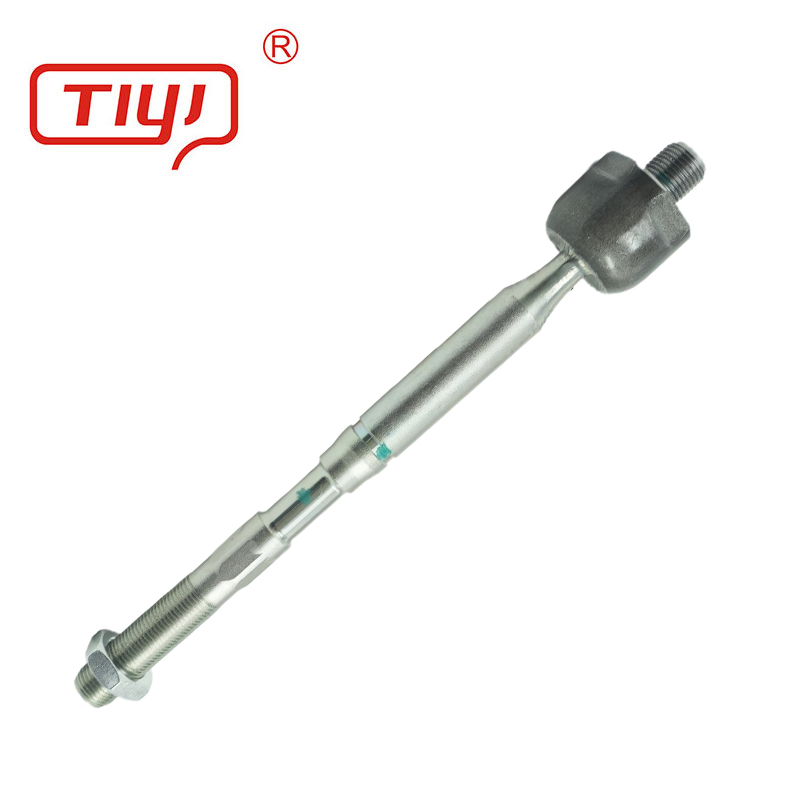
TOYOTA Rongfang 4th 3rd generation 2005-2013/Rack End/OEM: 45503-42030
View More -
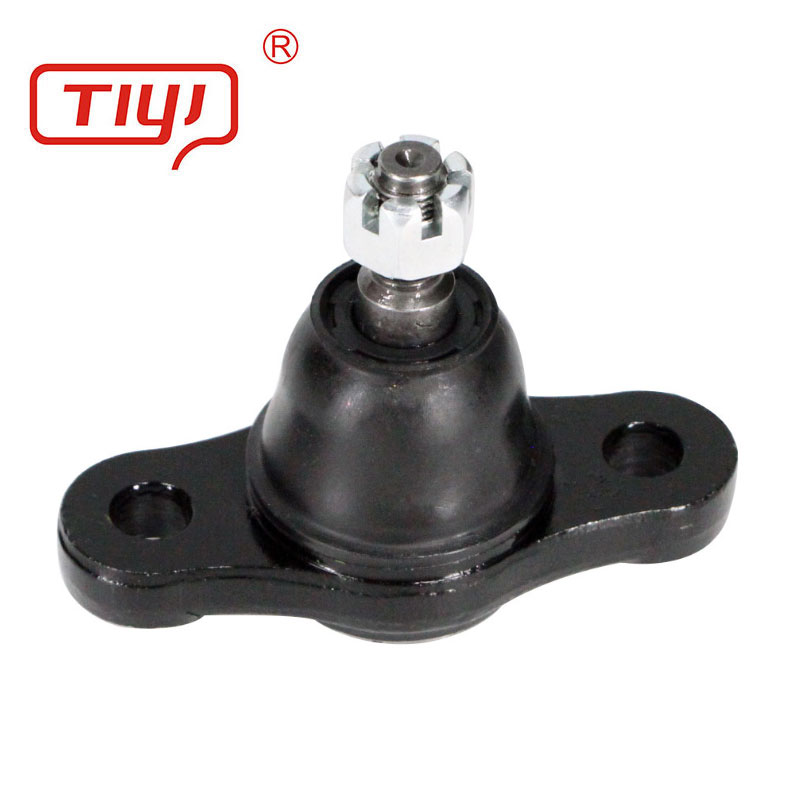
Hyundai Elantra 2000-2007/BALL JOINT/OEM:51760-0Q000
View More -
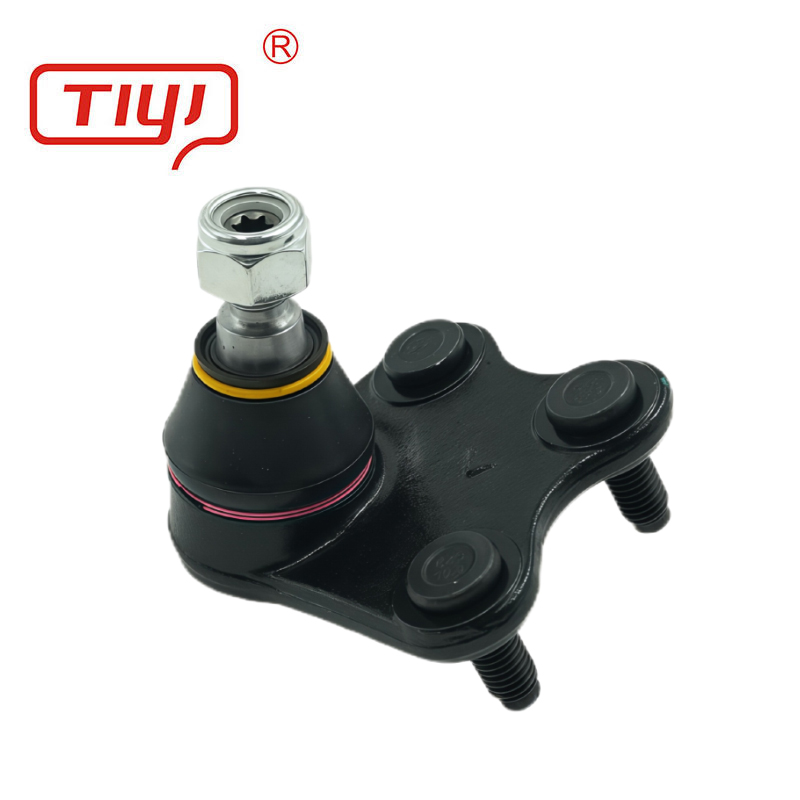
VW NEW JETTA/NEW SANTANA 2013-/BALL JOINT/OEM:6RD407365
View More -
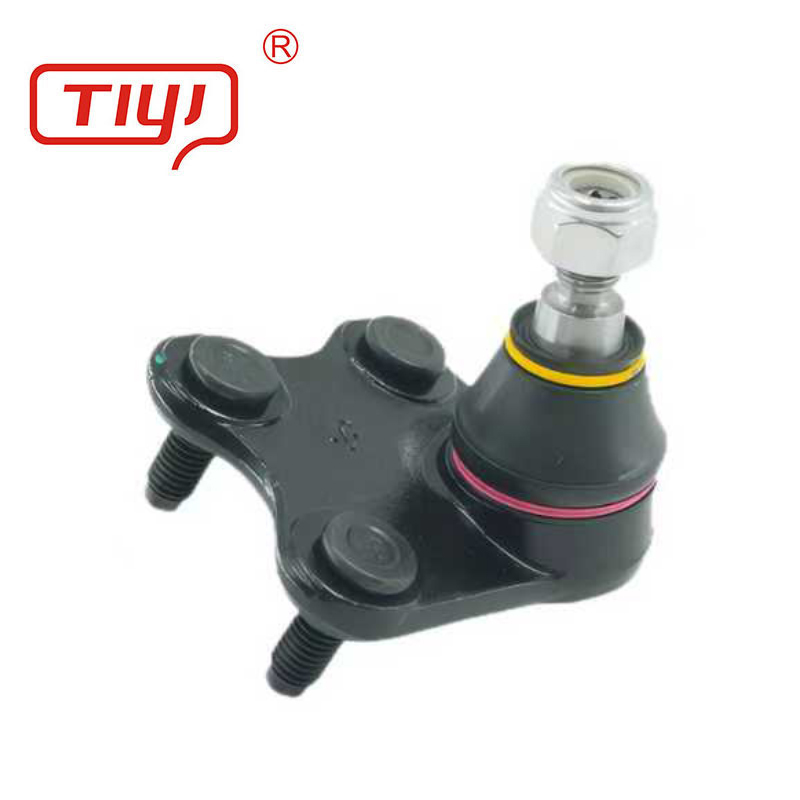
VW NEW JETTA/NEW SANTANA 2013-/BALL JOINT/OEM:6RD407366
View More -
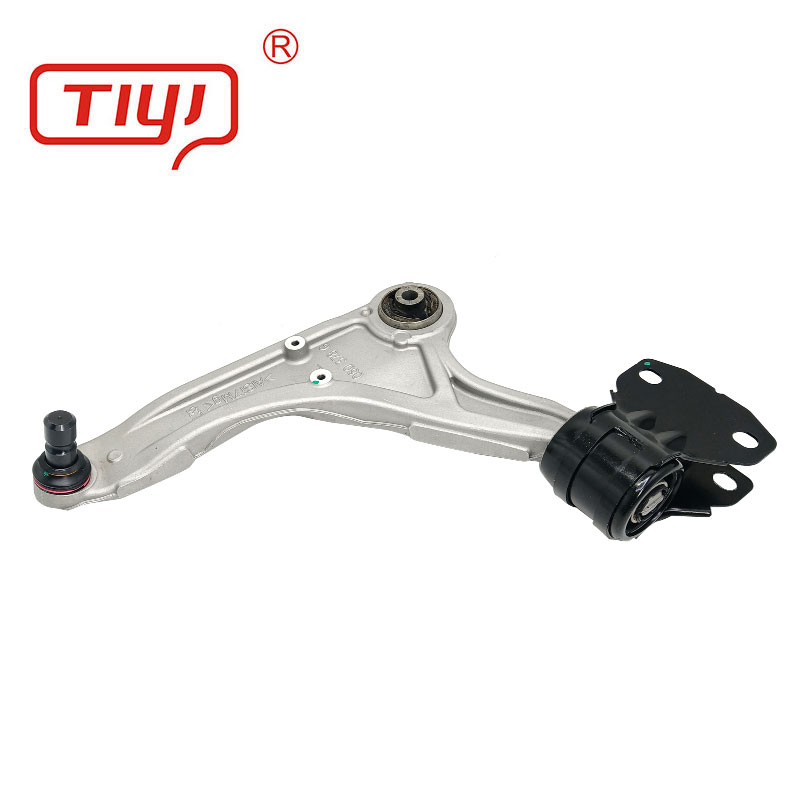
Ford Mondeo 2013-2015/LOWER CONTROL ARM/OEM: FG9C3A052ANB
View More -
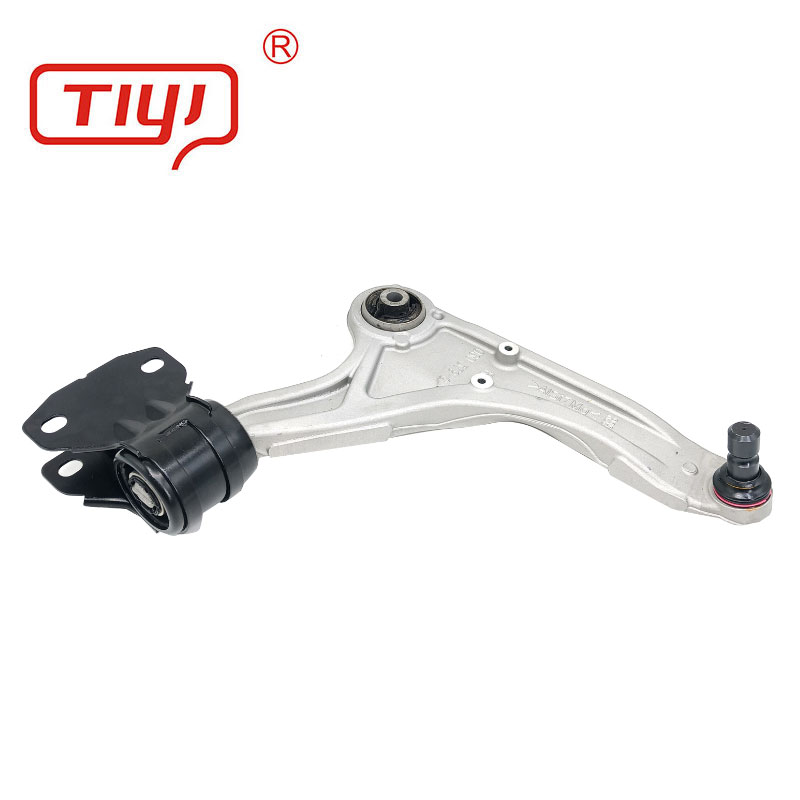
Ford Mondeo 2013-2015/LOWER CONTROL ARM/OEM:DG9C3A053ANE
View More
-



-
Quick Links
About Us Products Capabilities Support News & Events Contact Us -
Product Range
Rack End Tie Rod End Stabilizer Link Control Arm Ball Joint -
Address
No. 1471, Qingliu East Road, Chuzhou City, Anhui Province, China
