


 English
 中文简体
中文简体
 Español
 عربى
عربى

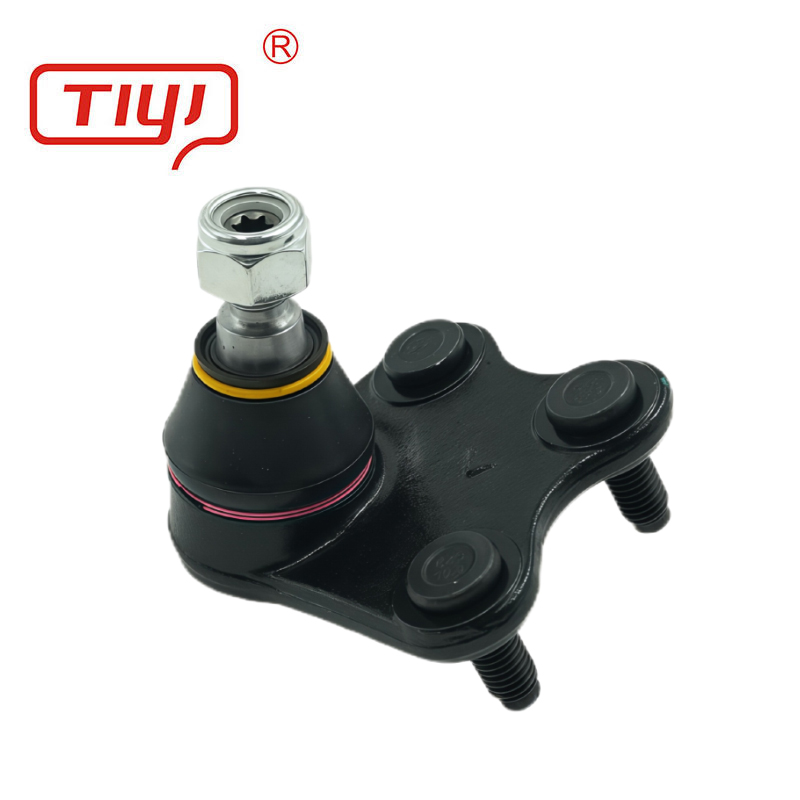
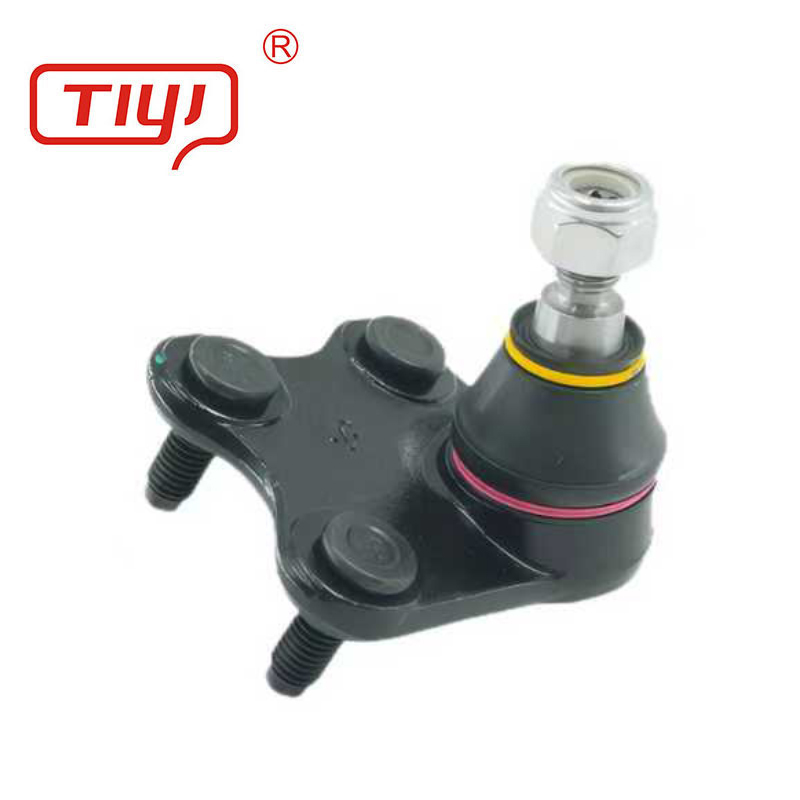
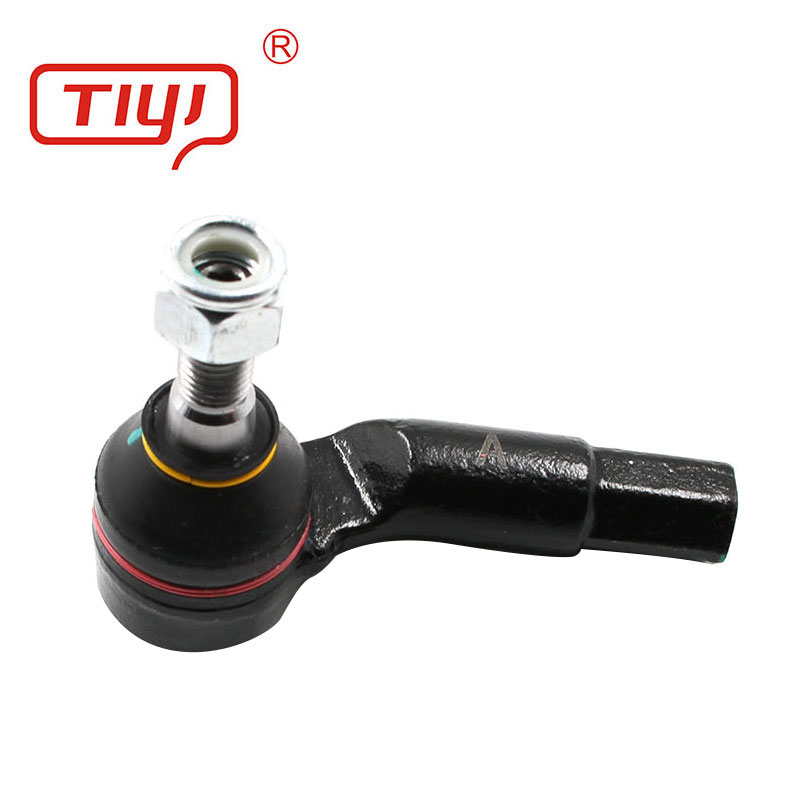
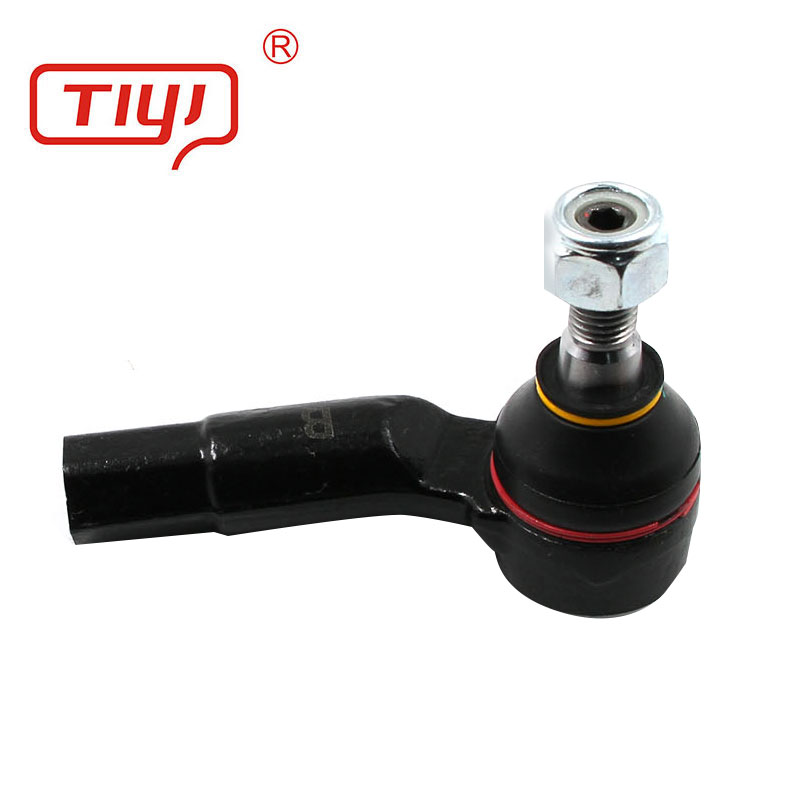
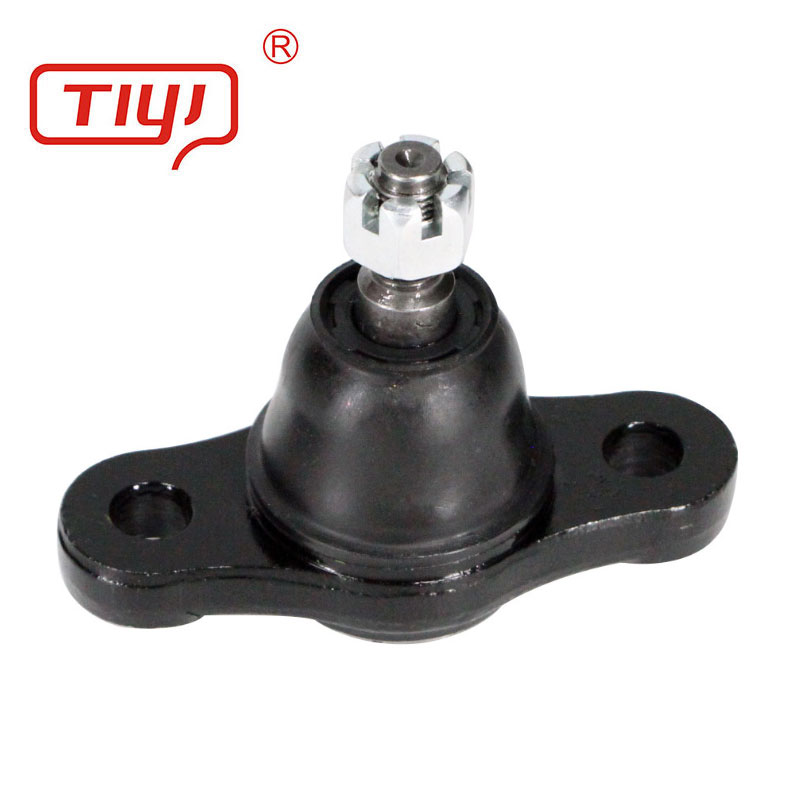
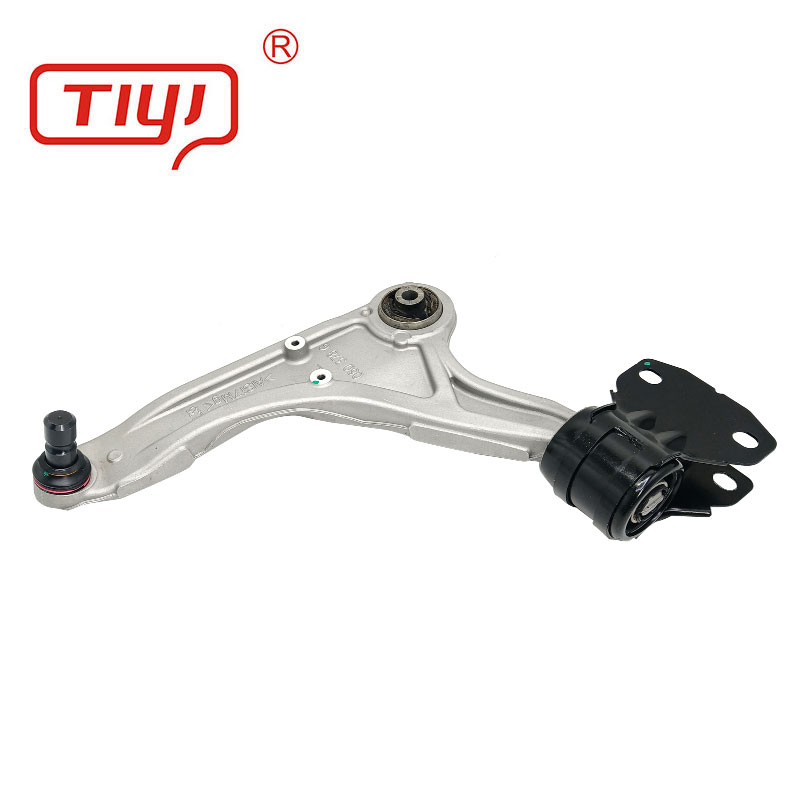
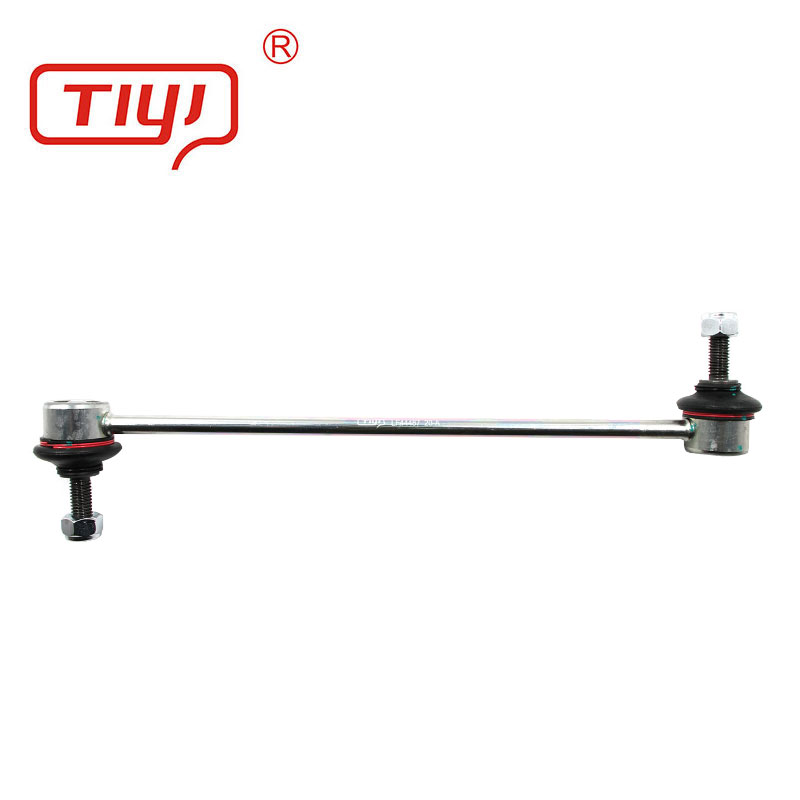
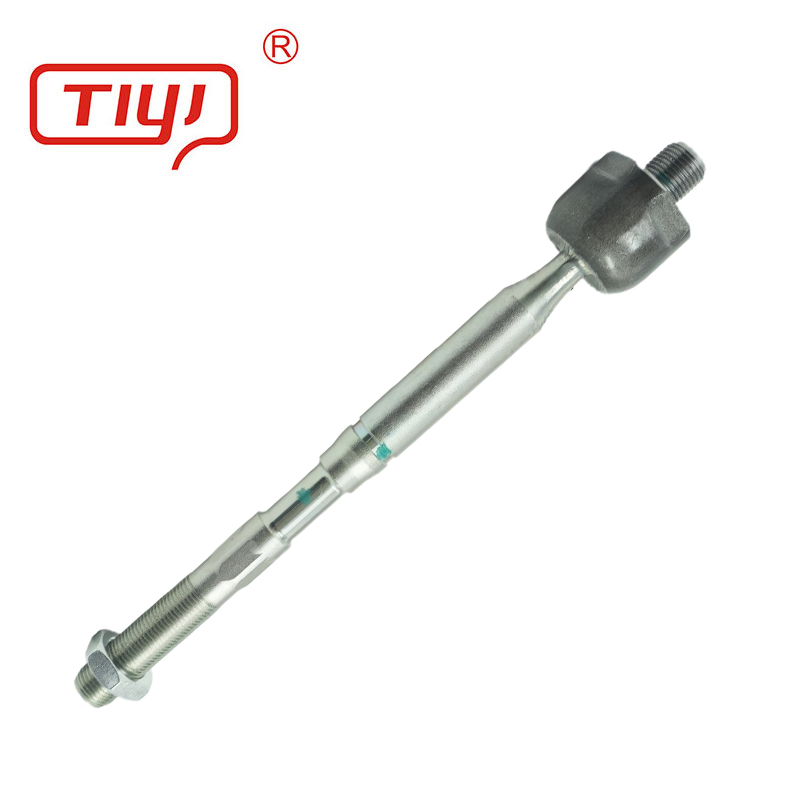
Specification
| Characteristic | OEM Standard |
| Fit and Form | Exact dimensional replication of the original part, including mounting points, bushings, and attachment hardware. |
| Material Composition | Identical alloys, polymers, and composites as used in initial production, with verified material certifications. |
| Performance Parameters | Meets all original specifications for load capacity, spring rate, damping force, and operational lifespan. |
| Finish and Coating | Same corrosion protection process (e-coat, zinc plating, paint) as the factory part for equivalent longevity. |
| Part Identification | Marked with the vehicle manufacturer's genuine part number, often with branded packaging. |
| Regulatory Compliance | Certified to meet all original safety and environmental standards for that specific vehicle model and year. |
| Warranty Status | Use of OEM parts is typically required to maintain a new vehicle warranty; parts themselves often carry a 12-month warranty. |
Applications
OEM suspension parts are used in two primary arenas: manufacturing and repair. In manufacturing, they are installed on the assembly line of new vehicles. In the repair sector, they are the preferred component for several critical scenarios. They are essential for warranty repairs at franchised dealerships, where using non-OEM parts could void warranty coverage. Insurance companies frequently specify OEM parts for collision repairs, especially on newer vehicles, to ensure "like-kind and quality" restoration as per policy terms.
They are also the ideal choice for owners of luxury or performance vehicles where specific ride and handling characteristics are integral to the brand's identity. Enthusiasts restoring classic or collectible vehicles to factory-original condition rely on OEM-specification parts (New Old Stock or high-quality reproductions) for authenticity. For any repair where predictable, factory-correct behavior and maximum compatibility are the top priorities, OEM parts are the applied solution.
Advantages
- Guaranteed Perfect Fitment:聽Eliminates guesswork, modification, or alignment issues; designed to bolt directly into place.
- Assured Quality and Consistency:聽Manufactured under the vehicle maker's quality control system, offering predictable performance and service life.
- Preservation of Vehicle Warranty:聽Using OEM parts for repairs is the surest way to keep a new vehicle's factory warranty intact.
- Safety and Performance Integrity:聽Ensures the suspension system performs exactly as engineered and crash-tested, maintaining all original safety margins.
- Optimal Ride and Handling:聽Restores the precise ride comfort, noise isolation, and handling balance intended by the vehicle's designers.
- Protects Resale Value:聽A vehicle with a documented history of OEM repairs is more attractive to buyers and commands a higher value.
- Simplified Sourcing:聽A single, vehicle-specific OEM part number guarantees you receive the correct component.
Materials and Structural Authenticity
The authenticity of OEM suspension parts lies in their meticulous material and structural replication. If the original control arm was a specific grade of high-strength, low-alloy steel with a particular grain flow from forging, the OEM replacement will be the same. Rubber bushings will have the exact durometer (hardness) and internal void pattern engineered for desired compliance steer characteristics.
For electronic components like adaptive damper actuators or ride height sensors, the internal firmware and communication protocols are identical to what the vehicle's network expects. This extends to surface treatments: the type and thickness of phosphate coating, electrocoat, and topcoat are replicated to provide the same corrosion protection as the factory finish. This holistic authenticity ensures not just physical compatibility but also functional and long-term durability compatibility with the entire vehicle system.