


 English
 中文简体
中文简体
 Español
 عربى
عربى

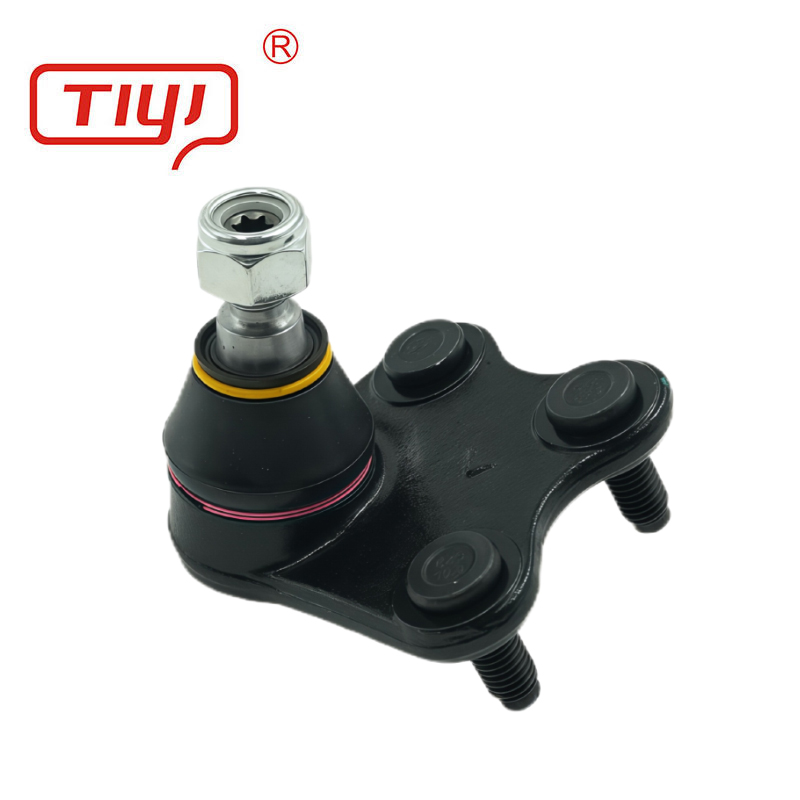
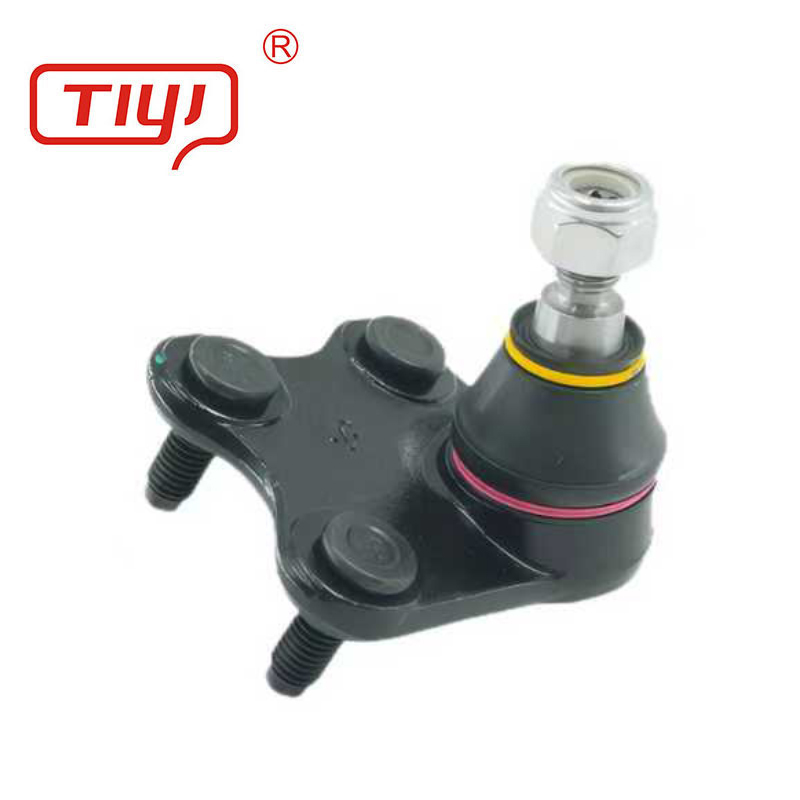
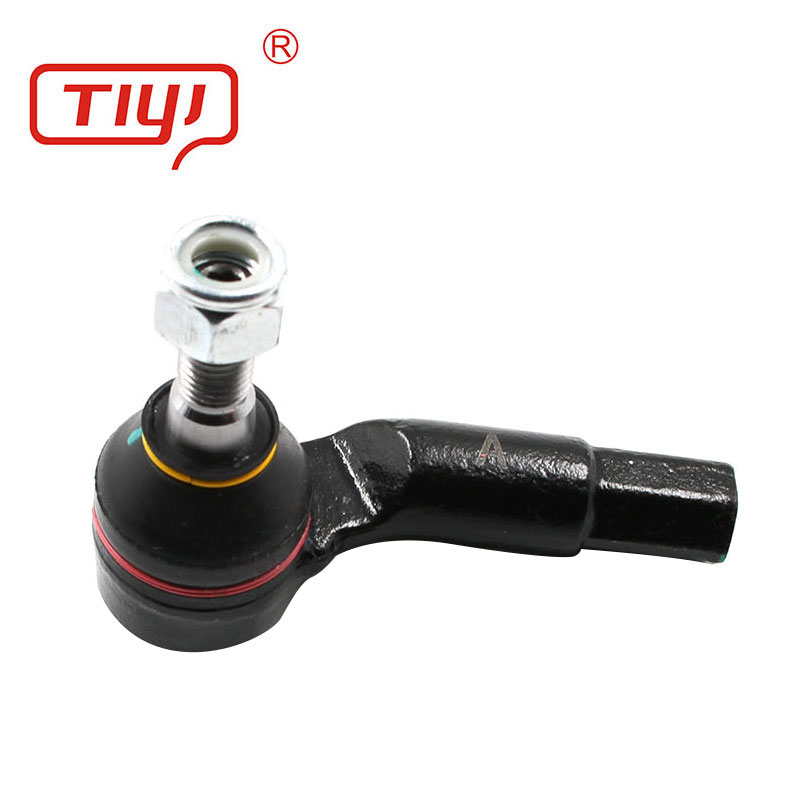
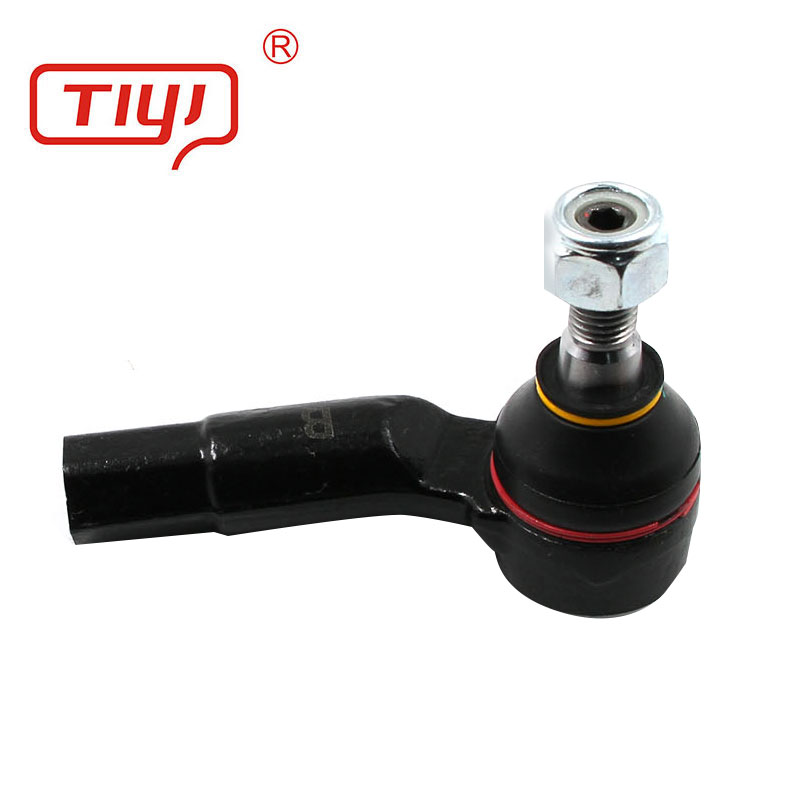
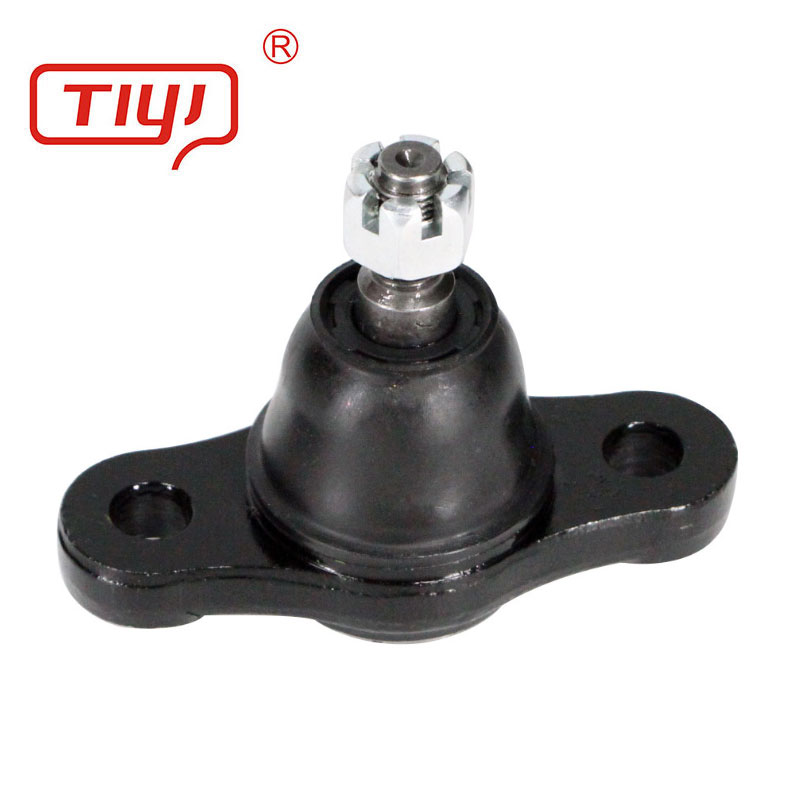
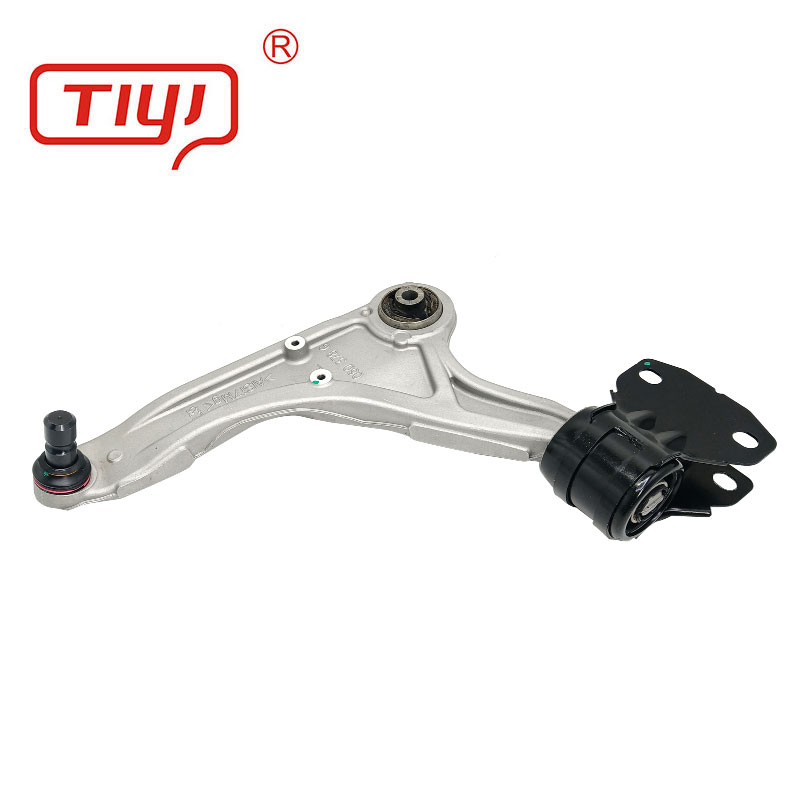
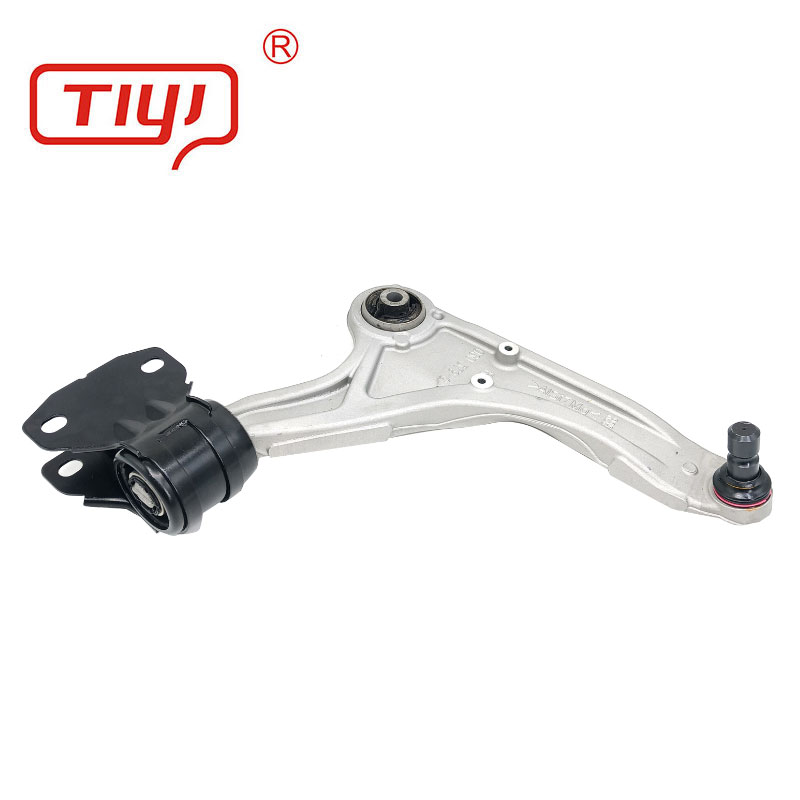
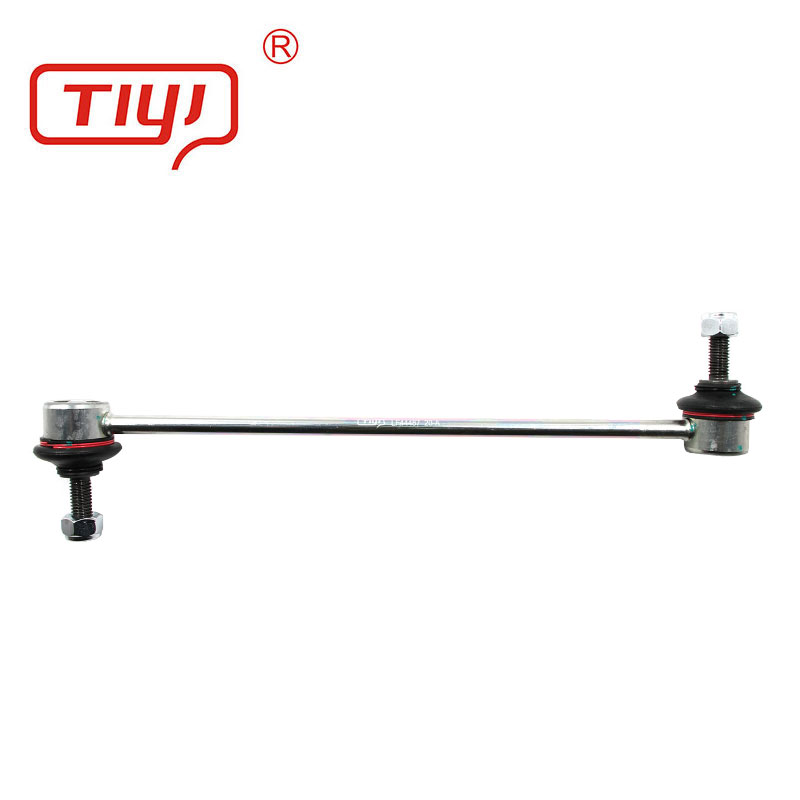
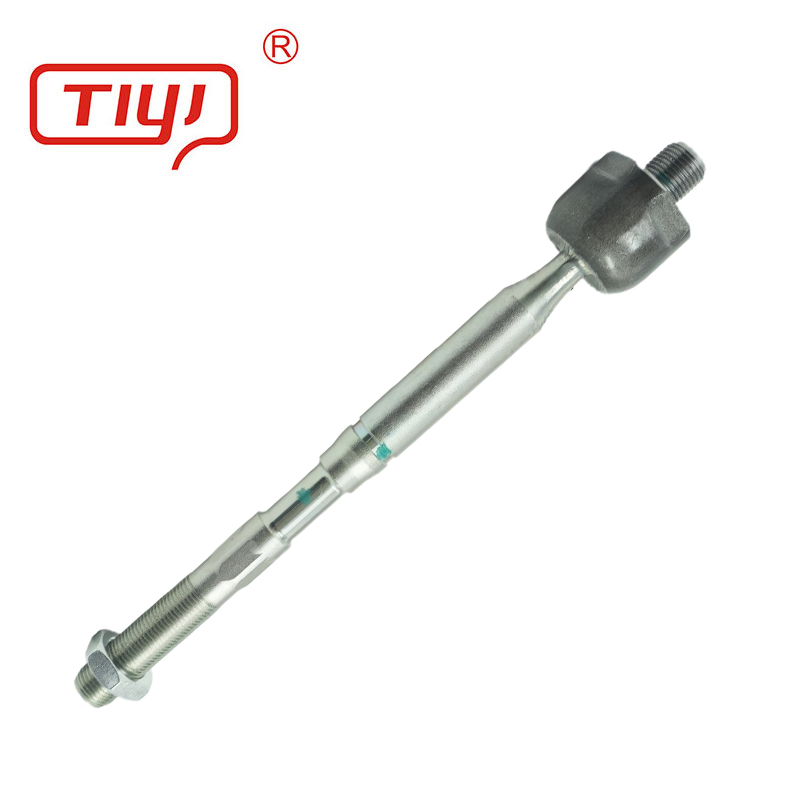
Specifications
| Characteristic | OEM Part Standard | |
| Fitment | Exact match for make, model, model year, and often engine/trim level | |
| Material Composition | Performance Parameters | Meets all original design specifications for load, temperature, lifespan |
| Packaging & Identification | Warranty Compatibility | Use of OEM parts is typically required to maintain a new car warranty; they often come with a 1-year warranty themselves. |
| Regulatory Compliance | Certified to meet all original safety and emissions standards for that vehicle. |
Applications
OEM parts are used in two primary scenarios. First, and most obviously, they are used on the assembly line to build new vehicles. Second, and highly relevant to consumers and repair shops, they are used for vehicle repair and maintenance. This includes everything from routine service items like oil filters and brake pads to major collision repair components like body panels, headlights, and suspension assemblies.
They are especially critical for repairs under factory warranty, insurance claims where "like-kind and quality" is stipulated, and for owners who wish to keep their vehicle in strictly original condition. They are also the default choice for complex, vehicle-specific components like electronic control modules, advanced driver-assistance system (ADAS) sensors, and integrated turbocharger units where precise calibration is essential.
Advantages
- Guaranteed Fit and Function: Eliminates guesswork and modification; the part is designed to bolt on and work correctly immediately.
- Assured Quality and Durability: Built to the carmaker's quality standards, offering predictable service life.
- Warranty Preservation: Using OEM parts for repairs is often a condition of keeping a new vehicle warranty valid.
- Safety Integrity: For critical safety components (brakes, steering, airbags), OEM parts ensure the system performs exactly as crash-tested.
- Resale Value Support: A vehicle repaired or maintained with OEM parts often commands a higher resale value and is more attractive to knowledgeable buyers.
- Simplified Sourcing: A single OEM part number guarantees you get the correct component.
Materials and Structural Authenticity
The core advantage of an OEM part is its material and structural authenticity. If the original control arm was made from a specific grade of stamped steel with a particular rubber bushing durometer, the OEM replacement will be identical. This extends to surface treatments: the exact type of corrosion protection (e.g., e-coating followed by black paint) will be replicated.
For electronic parts, the internal circuitry, firmware, and calibration data are exactly as the vehicle's computer expects. This authenticity ensures not just physical compatibility but also systemic compatibility. The vehicle's various systems—suspension, electronics, powertrain—are finely tuned ensembles; introducing a component with even slight material or dimensional variances can disrupt this harmony, potentially affecting handling, noise levels, or electronic communication.