

 English
 中文简体
中文简体
 Español
 عربى
عربى

Specification
| Production Aspect | Industry Standards & Typical Metrics |
| Quality Management | IATF 16949, ISO 9001, VDA 6.1 Certification |
| Core Manufacturing Processes | High-Pressure Die Casting, Hot/Cold Forging, CNC Machining, Sheet Metal Stamping, Plastic Injection Molding |
| Dimensional Tolerances | As tight as ±0.005mm for critical bearing surfaces and mating components |
| Material Verification | Spectrometry, Tensile/Shear Testing, Hardness Verification (Rockwell, Brinell) |
| Surface Treatment | Phosphating, E-Coating, Powder Coating, Zinc-Nickel Plating, Anodizing |
| Production Volume Capacity | From low-volume prototype runs (100s) to mass production (millions/year) |
| Process Automation Level | High, with extensive use of industrial robots for welding, painting, and assembly |
| R&D Investment | Typically 3-5% of annual revenue focused on new materials, processes, and designs |
Applications
The output of auto parts production feeds two primary, massive markets. The first is Original Equipment (OE) manufacturing, supplying assembly lines for new passenger cars, commercial trucks, motorcycles, and specialty vehicles across every global brand. The second is the global aftermarket, producing replacement parts for maintenance, repair, and collision restoration for the world's existing vehicle fleet. This includes everything from common wear items like filters and brake pads to complex assemblies like complete engine long blocks or wiring harnesses.
Beyond these, production capabilities serve niche sectors: high-performance and motorsports parts requiring exotic materials and extreme precision; heavy-duty and off-road components built for durability; and the growing electric vehicle (EV) sector, which demands new types of parts like battery enclosures, power electronics, and specialized electric drive units. The same fundamental production expertise also applies to adjacent industries like aerospace, agricultural machinery, and heavy industrial equipment.
Advantages of Modern Production
- Unmatched Precision and Consistency: Advanced CNC machining and robotic assembly ensure every part is dimensionally identical, guaranteeing perfect fit and reliable performance batch after batch.
- Access to Advanced Materials: Expertise in working with high-strength steels, aluminum alloys, magnesium, composites, and advanced polymers allows for optimized strength-to-weight ratios and performance characteristics.
- Scalability and Flexibility: Modern production lines can be quickly reconfigured to produce different parts, allowing for efficient production of both high-volume commodities and low-volume, specialized components.
- Integrated Quality Assurance: Quality checks are embedded throughout the production process via Statistical Process Control (SPC), automated vision systems, and end-of-line testing, ensuring defects are caught at the source.
- Technological Innovation Leadership: Early adoption of technologies like additive manufacturing (3D printing) for prototyping and complex parts, and digital twin simulations for process optimization.
- Cost-Effectiveness at Scale: Economies of scale and lean manufacturing principles drive down the per-unit cost of high-quality parts, making advanced automotive technology accessible.
- Sustainable Manufacturing: Increasing focus on reducing waste, recycling materials, and using energy-efficient processes to minimize environmental impact.
Materials and Production Structures
Auto parts production is deeply tied to material science. Ferrous parts, such as crankshafts and gears, are often forged from alloy steel for superior grain structure and strength, then machined to precision. Aluminum and magnesium components are commonly die-cast for complex shapes like engine blocks or transmission cases, then heat-treated. Plastics and polymers are injection-molded for dashboards, light housings, and fluid reservoirs, often with metal inserts molded in place.
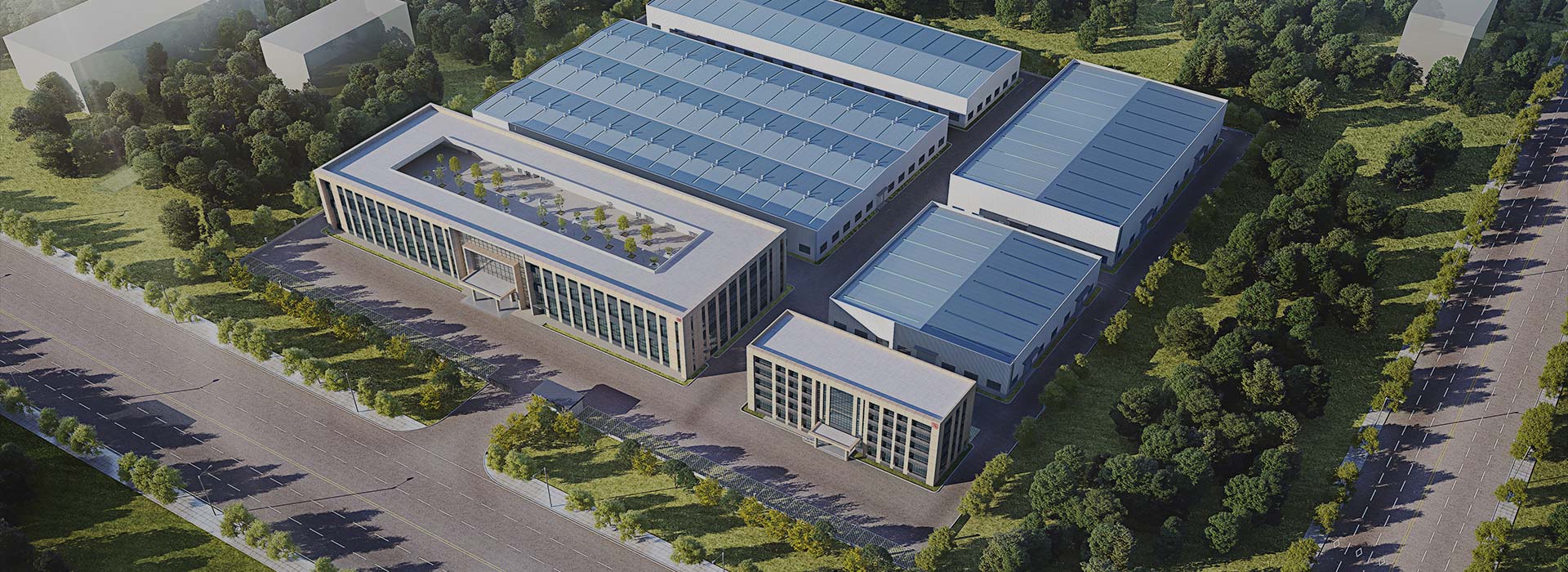
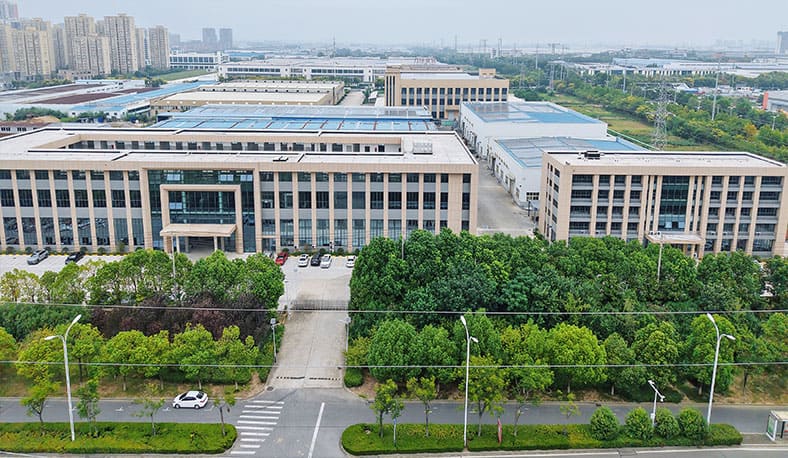
The factory structure itself is a marvel of logistics. A typical plant may have dedicated, high-speed transfer lines for high-volume engine components, flexible machining cells for lower-volume parts, and automated assembly stations fed by just-in-time parts delivery from nearby suppliers. The workforce is a blend of skilled tool and die makers, robotics technicians, quality engineers, and data scientists, all orchestrated by sophisticated Manufacturing Execution Systems (MES) and Enterprise Resource Planning (ERP) software that track every component from raw material to finished product.