

 English
 中文简体
中文简体
 Español
 عربى
عربى

Specification
| Supplier Attribute | Key Details and Benchmarks |
| Quality Certifications | IATF 16949, ISO 9001, Compliance with SAE, DIN, or JIS Standards |
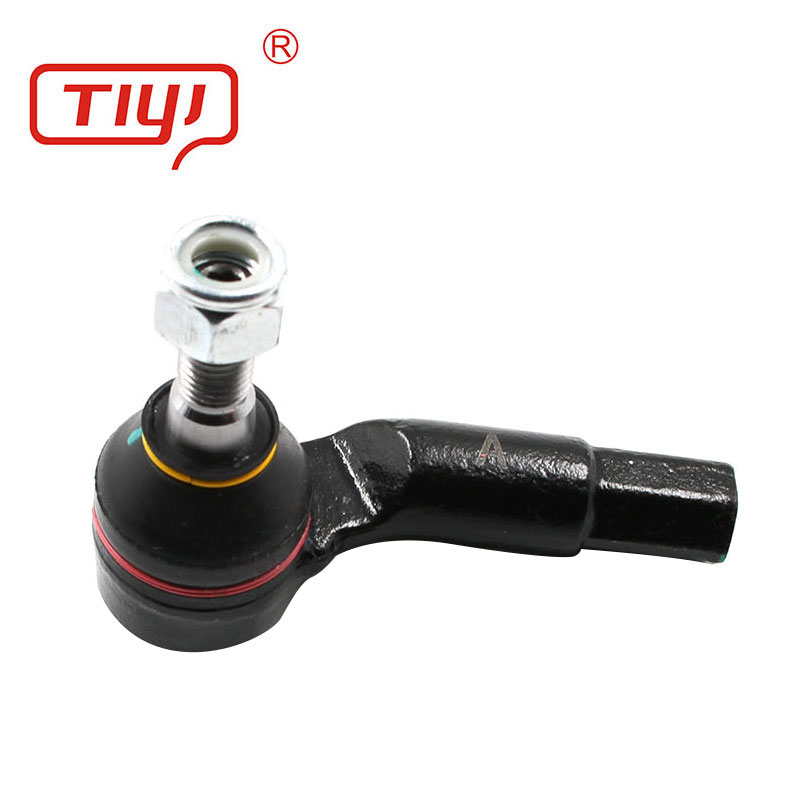
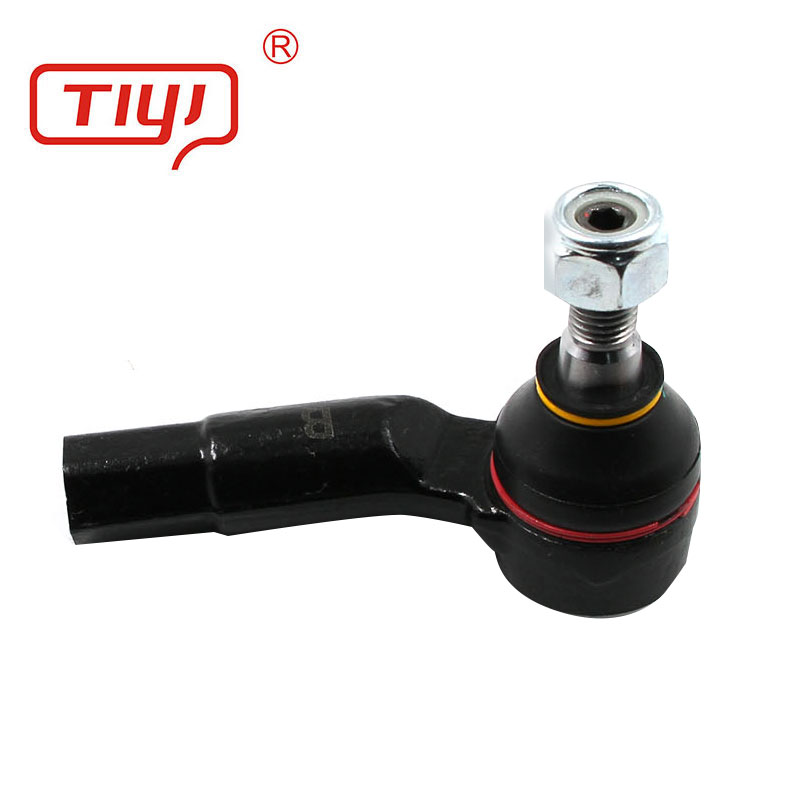
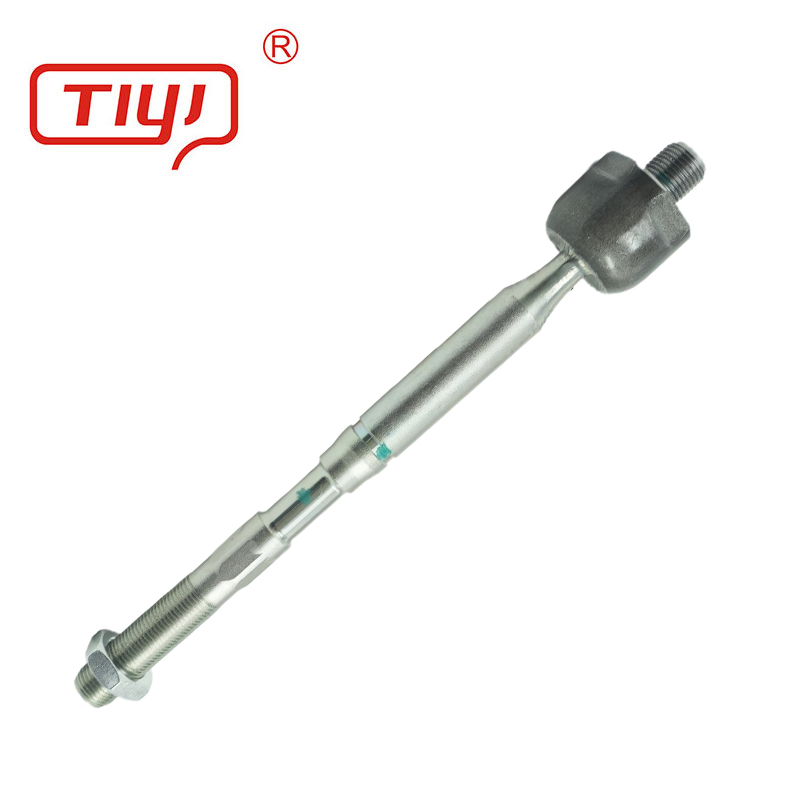
| Product Portfolio | Inner Tie Rod Ends, Outer Tie Rod Ends, Complete Assemblies; Coverage for Passenger, Commercial, and Specialty Vehicles |
| Material Specifications | Use of Case-Hardened Alloy Steels (e.g., SCr420), Forged Housings, HNBR/TPE Boots, High-Temp Grease |
| Testing & Validation | Dimensional Gauging, Torque-to-Failure Testing, Salt Spray Corrosion Testing, Dynamic Fatigue Testing |
| Packaging & Logistics | Barcoded, Application-Specific Packaging; Efficient Regional Warehousing and Distribution |
| Technical Support | Detailed Catalogs, Installation Instructions, Technical Bulletins, and Expert Access |
| Warranty & Policy | Offers Strong Warranty Programs (Lifetime, Limited) to Channel Partners and End-Users |
Applications
Tie rod end suppliers serve a diverse global market. Their primary channel is the Original Equipment (OE) sector, supplying parts in high volume to automotive manufacturers for installation on new vehicles. The largest volume often comes from the Independent Aftermarket (IAM), where they provide replacement parts to a network of distributors, wholesalers, auto parts stores, and repair shops servicing the millions of vehicles on the road.
Specialist suppliers cater to niche segments: the performance and motorsports industry requires high-strength, low-tolerance parts for racing applications; the heavy-duty truck and off-road market demands reinforced tie rod ends capable of withstanding extreme impacts and loads; and the industrial machinery sector uses similar linkage technology. A full-service supplier will have product lines addressing all these verticals.
Advantages of a Trusted Supplier Partnership
- Assured Quality and Reduced Risk:聽Rigorous quality control minimizes the chance of receiving defective parts, reducing costly comebacks, warranty claims, and potential liability for repair shops.
- Comprehensive Vehicle Coverage:聽Leading suppliers maintain extensive and accurate databases, ensuring availability of correct parts for a wide range of makes, models, and years, simplifying inventory management.
- Technical Expertise and Resource Access:聽Provides critical support through fitment guides, technical hotlines, and engineering data, helping to solve difficult diagnosis or installation challenges.
- Product Innovation and Development:聽Invests in R&D to improve designs鈥攕uch as more durable boot materials, easier-adjustment features, or environmentally friendly coatings鈥攌eeping pace with vehicle technology.
- Supply Chain Reliability and Consistency:聽A robust manufacturing and distribution network ensures steady availability, preventing business disruption due to part shortages.
- Brand Reputation and Warranty Strength:聽A supplier with a strong market reputation backs its products with clear, actionable warranty policies, building trust with both trade professionals and end consumers.
Materials, Sourcing, and Manufacturing Integrity
A quality supplier exercises tight control over its supply chain. Key raw materials include specific grades of alloy steel for studs and forgings, chosen for optimal hardenability and toughness. Polymer compounds for bearing inserts and sealing boots are formulated for low friction, high elasticity, and resistance to heat, ozone, and tearing.
The manufacturing process is precision-oriented: the stud is forged or machined, heat-treated, and ground to a precise taper and spherical finish. The housing is typically forged for strength. The bearing assembly鈥攚hether polymer-lined, needle-bearing, or sintered metal鈥攊s assembled in a clean environment with a specified amount of high-quality grease. Critical steps include automated crimping or staking to secure the assembly, followed by functional testing to check for smooth rotation and the absence of radial play. Finally, corrosion-resistant coatings are applied, and the part is packaged with accurate, legible identification.