

 English
 中文简体
中文简体
 Español
 عربى
عربى

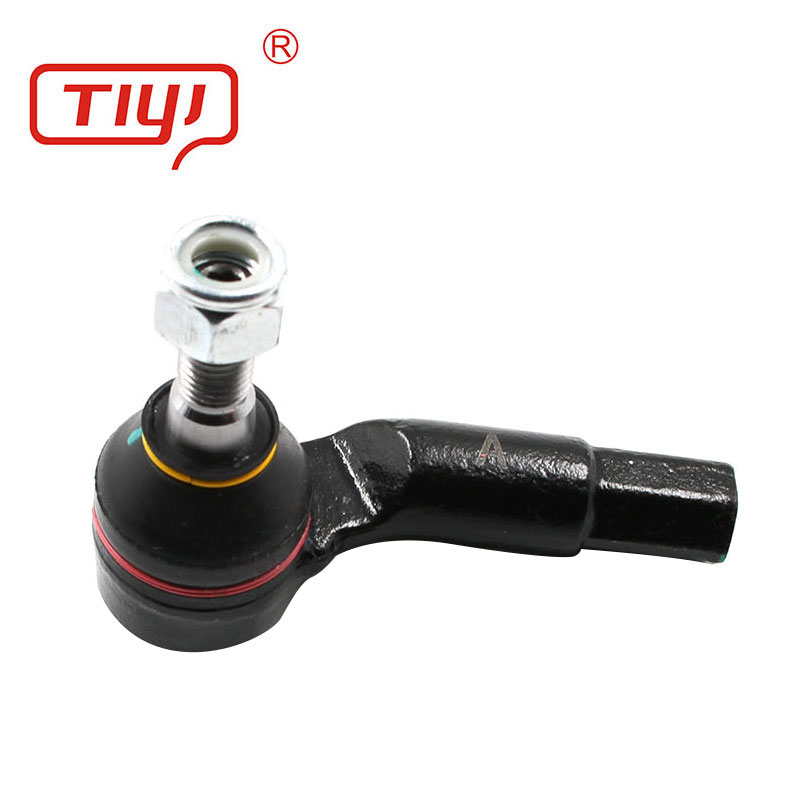
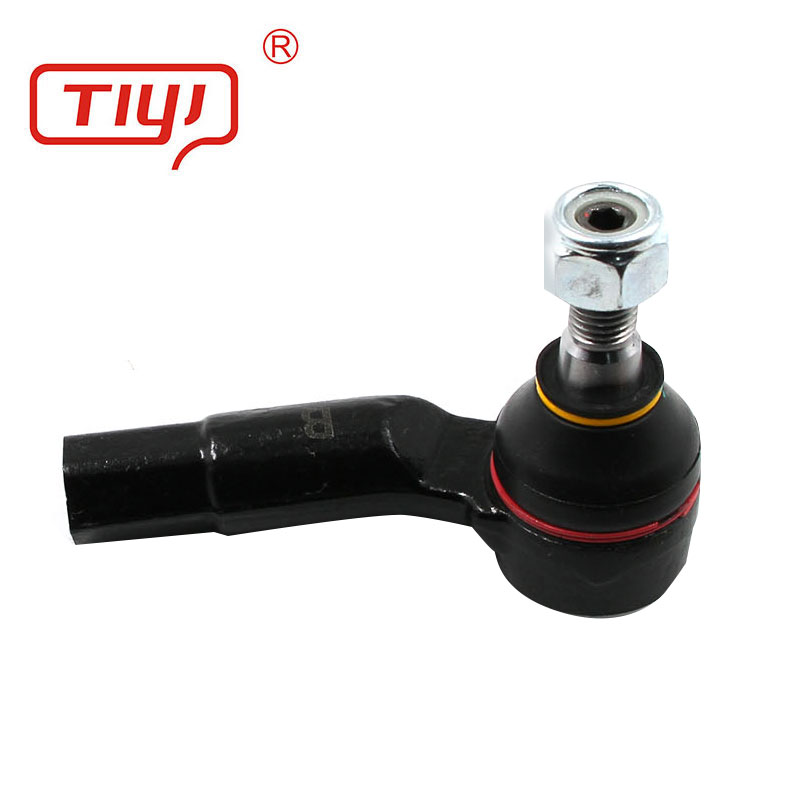
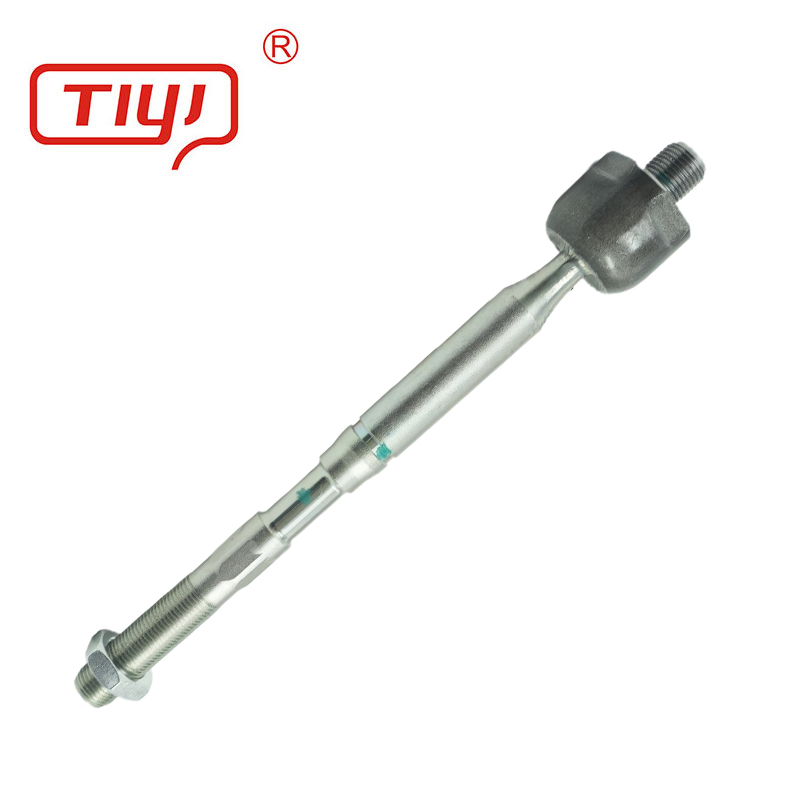
Specification
| Manufacturing Focus | Technical Specifications & Grades |
| Product Grades | Commercial, Precision (ABEC 1/3), Aircraft (MIL-SPEC/MS) Standards |
| Thread Standards | UNF, Metric Fine & Coarse; Left and Right Hand Threads Available |
| Ball & Housing Materials | Chrome Alloy Steel (52100, 8620), Stainless Steel (440C, 316), Aluminum Alloy (6061-T6), Bronze |
| Bearing Interface | Metal-on-Metal (Chrome Steel on Steel), Metal-on-Polymer (PTFE/Acetal Liner), Self-Lubricating |
| Precision Tolerances | Radial Play: As low as 0.0005" for precision grades; Angular Misalignment up to ±30° |
| Load Ratings | Dynamic & Static Load Ratings published (e.g., 5,000 lbf Dynamic for a ½" size) |
| Sealing Options | Unsealed, Rubber Wiper Seals, Bellows Boots for harsh environments |
| Manufacturing Processes | CNC Machining, Heat Treating (Case Hardening), Grinding, Honing, Automated Assembly |
Applications
Rod end manufacturers serve a multitude of high-tech and demanding industries. In aerospace, they are used in flight control linkages, landing gear, and actuator systems. In automotive, they are critical for motorsports applications: steering systems, throttle linkages, shift linkages, and suspension components (toe links, pushrods) in formula cars, rally cars, and drag racers.
Industrial automation and robotics utilize rod ends in control arms, actuator linkages, and positioning systems. The marine industry uses them in steering and control linkages for boats. In general machinery, they serve as pivot points in agricultural equipment, packaging machines, and material handling systems. For custom automotive and motorcycle fabrication, rod ends provide versatile and strong solutions for custom suspension and control linkages.
Advantages of Sourcing from a Specialist Manufacturer
- Unmatched Precision and Consistency: High-grade manufacturers control every step of the process, delivering parts with minimal radial play and consistent performance, which is crucial for sensitive applications like steering.
- Extensive Material and Configuration Options: Offers choices in material (steel, stainless, aluminum), thread type, size, and bearing interface to perfectly match the application's load, environment, and corrosion resistance needs.
- High Strength-to-Weight Ratio: Especially with aluminum-bodied or aerospace-designed rod ends, providing significant strength without adding excessive weight—a critical factor in racing and aerospace.
- Technical Data and Support: Provides comprehensive engineering data, including load charts, fatigue life estimates, and installation guidelines, enabling informed design and selection.
- Customization and Special Order Capability: Many manufacturers can produce custom rod ends with unique thread sizes, lengths, or materials for prototype or low-volume production runs.
- Durability in Specific Environments: Can supply rod ends with special plating, coatings, or sealing for corrosive, high-temperature, or dirty environments.
Materials, Design, and Production Philosophy
The core of a rod end is its bearing. High-quality manufacturers start with bearing-quality steel (like SAE 52100) or stainless steel, which is forged, machined, and then heat-treated to precise hardness levels (e.g., 58-62 HRC for the ball). The ball is then ground and honed to a mirror finish to minimize friction. The housing, or body, is typically machined from steel, stainless steel, or aluminum alloy.
The bearing interface is a key design decision. For high-load, high-temperature applications, a hardened steel ball runs directly in a hardened steel race (metal-on-metal). For low-friction, maintenance-free operation in clean environments, the housing is lined with a PTFE (Teflon) or fabric-based composite. The assembly is secured by crimping or using a retaining ring. The entire design philosophy centers on managing play, friction, and load capacity. Precision manufacturers use statistical process control (SPC) and 100% inspection on critical dimensions to ensure every unit shipped meets the published specification.