

 English
 中文简体
中文简体
 Español
 عربى
عربى

Specification
| Parameter | Details |
| Material | Rubber (OE), Polyurethane (Performance), Nylon, Spherical Bearing |
| Durometer (Hardness) | Rubber: ~70A, Polyurethane: 70A to 95A (higher is stiffer) |
| Type | Control Arm Bushings, Strut Mount Bushings, Sway Bar Bushings, Subframe Bushings |
| Design | Cylindrical, Clevis, Offset, Solid, Hydraulic (fluid-filled for luxury cars) |
| Inner Sleeve | Steel, Aluminum, or Delrin for poly bushings |
| Lubrication |
ApplicationsSuspension bushings are used at every major connection point in a vehicle's chassis. The most common applications are in the control arms (front and rear), where they control the arm's fore-aft and lateral compliance. Strut mount bushings isolate shock forces from the body. Sway bar bushings, both at the frame and links, allow the bar to twist smoothly. Subframe and differential bushings connect major drivetrain assemblies to the chassis. Performance driving demands stiffer polyurethane bushings to reduce unwanted wheel movement under hard cornering, braking, and acceleration. Off-road vehicles use heavy-duty bushings to withstand greater articulation and impacts. In classic car restoration, replacing petrified, 50-year-old rubber bushings is one of the first and most rewarding steps to improving drivability. Advantages
Materials and StructureRubber bushings are a blend of natural and synthetic rubbers, vulcanized around an inner metal sleeve. They can be solid or have voids engineered into them to allow specific directional flex. Hydraulic bushings have a fluid-filled chamber for exceptional vibration damping in luxury vehicles. Polyurethane bushings are made from a durable polymer that is molded into shape, often with a Delrin (acetal) inner sleeve to reduce friction. They are much more resistant to deformation than rubber. Spherical bearings (metal-on-metal) are the ultimate in stiffness and precision, using no compliant material, but they transmit all noise and vibration. The structure of a bushing determines its axis of movement. A cylindrical bushing allows rotation, while a clevis design controls movement in two planes. The bond between the rubber and the metal sleeves is critical; failure here is a common mode of wear. 


Tianyu Quality, Solid as Rocks
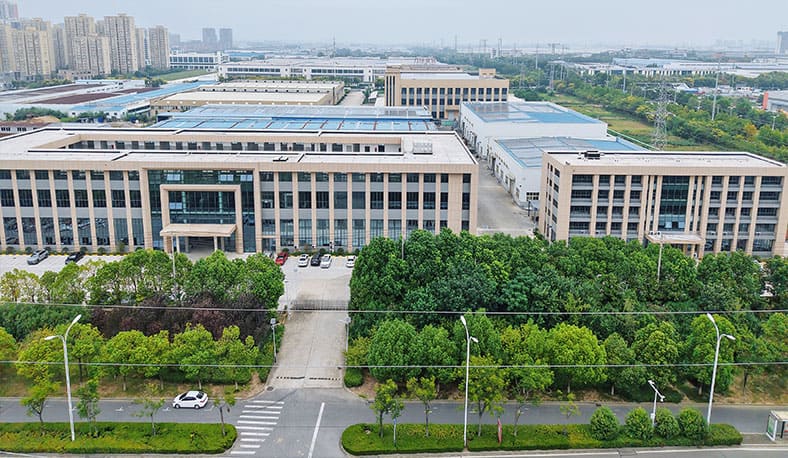
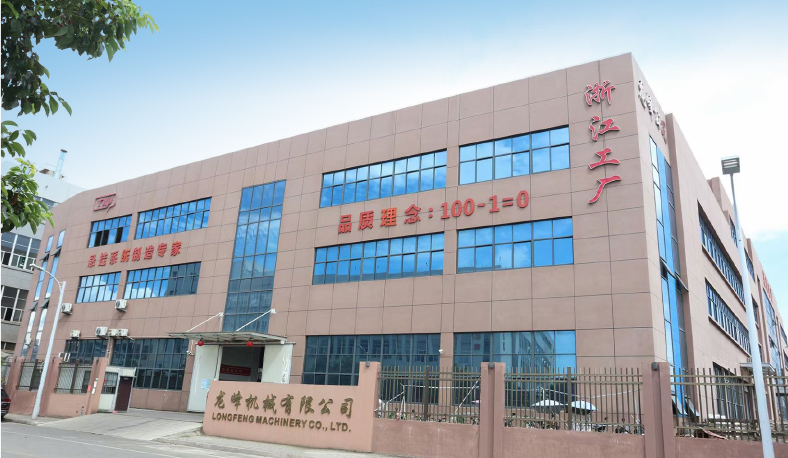
Tianyu is an experienced automotive parts manufacturer with 28 years of manufacturing experience, and has two major production bases in China. The company is equipped with 60,000 square meters of modern production workshops and a multi-million RMB R&D laboratory. Tianyu has provincial-level ball joint and arm centers in various provinces, municipalities, and autonomous regions across China. It also has authorized agents under the Tianyu brand in counties and districts, covering the entire automotive aftermarket in China. With over 20 years of export experience, the company’s products are primarily exported to Southeast Asia, the Middle East, South America, Europe, and other markets. Tianyu maintains a stock of 2 million units and offers a wide variety of small batch orders, with fast delivery in 7-10 days. The product range includes: rod ends, tie rod ends, ball joints, stabilizer links, control arms, bushings, and more.
Recommended Product:Suspension Arm Bushings Automotive Suspension Bushings Suspension System Components Suspension System Parts
Copyright ©2025 Anhui Tianyu Auto Parts Manufacturing Co., Ltd. All Rights Reserved
China automotive suspension parts manufacturer
China chassis components supplier

|