

 English
 中文简体
中文简体
 Español
 عربى
عربى

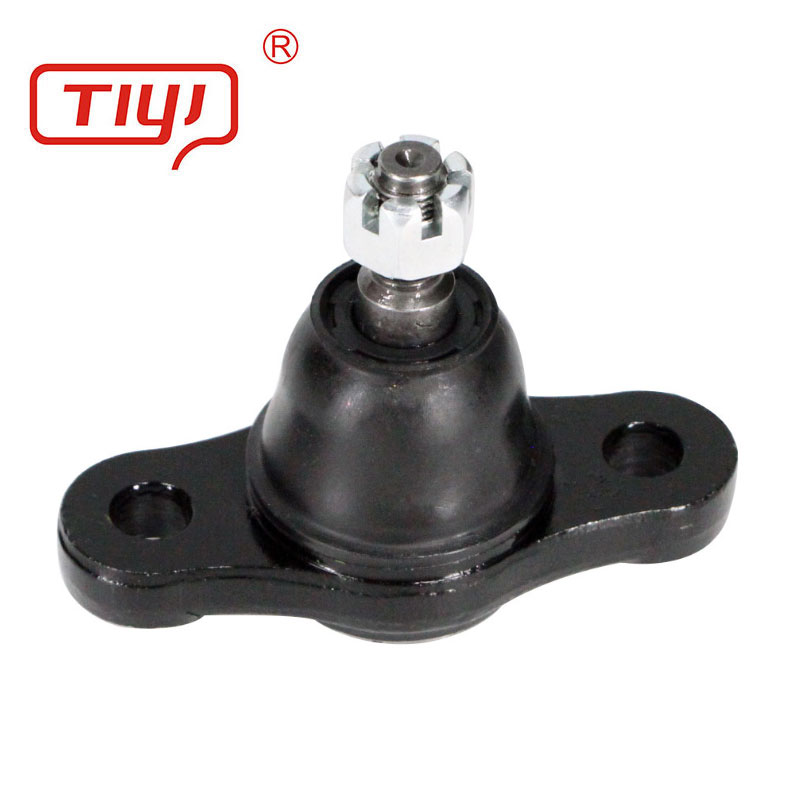
Specification
| Repair Parameter | Standard Details & Requirements |
| Diagnostic Methods | Visual Inspection (torn boot), Manual Check for Play (pry bar), Measurement of Stud Movement (dial indicator), Road Test for Noises |
| Replacement Parts Required | New Ball Joint(s), Castle Nut, Cotter Pin, Grease (if serviceable) |
| Specialized Tools Needed | Ball Joint Press Kit, Tie Rod/Pitman Arm Puller, Large Breaker Bar, Torque Wrench |
| Labor Time (Approx.) | 1.0 - 2.5 hours per joint, depending on vehicle design and corrosion |
| Torque Specifications | Critical: Castle nut torque (e.g., 50-150 ft-lbs), specific to vehicle |
| Post-Repair Procedure | Professional Wheel Alignment is absolutely mandatory. |
| Safety Notes | Vehicle must be securely supported; spring tension in some suspensions can be dangerous. |
Applications
Ball joint repair is a standard procedure in automotive repair shops, dealership service centers, and for advanced DIY mechanics. It is applied whenever symptoms of wear are detected during routine maintenance, pre-purchase inspections, or after a specific incident like hitting a severe pothole. The repair is common on high-mileage vehicles, as ball joints are wear items with a finite lifespan.
It is also a frequent procedure in off-road vehicle maintenance, where joints are subjected to extreme stresses and contaminants. In performance vehicle maintenance, repair often involves upgrading to high-performance joints. The procedure is also part of larger suspension overhaul projects, where multiple worn components are replaced simultaneously. The application is universal for any vehicle with a front independent suspension, which encompasses the vast majority of modern passenger and light commercial vehicles.
Advantages of Timely and Proper Repair
- Restores Critical Safety: Replaces a potential point of catastrophic failure, ensuring the wheel remains securely connected to the vehicle for safe steering and control.
- Eliminates Dangerous Symptoms: Fixes vague steering, wandering, clunking noises, and uneven tire wear caused by a worn joint, improving driver confidence and vehicle predictability.
- Prevents Costly Collateral Damage: A failed ball joint can destroy a tire, bend a control arm, or damage a fender. Timely repair prevents this expensive secondary damage.
- Improves Handling and Ride Quality: A tight, new ball joint restores precise suspension geometry and eliminates the looseness that degrades ride and handling.
- Cost-Effective Maintenance: Compared to the cost of an accident or major component failure, ball joint repair is a relatively inexpensive preventative measure.
- Supports Proper Wheel Alignment: A worn joint makes accurate, lasting alignment impossible. Repair allows for a correct and stable alignment, protecting tire investment.
Materials and Repair Methodology
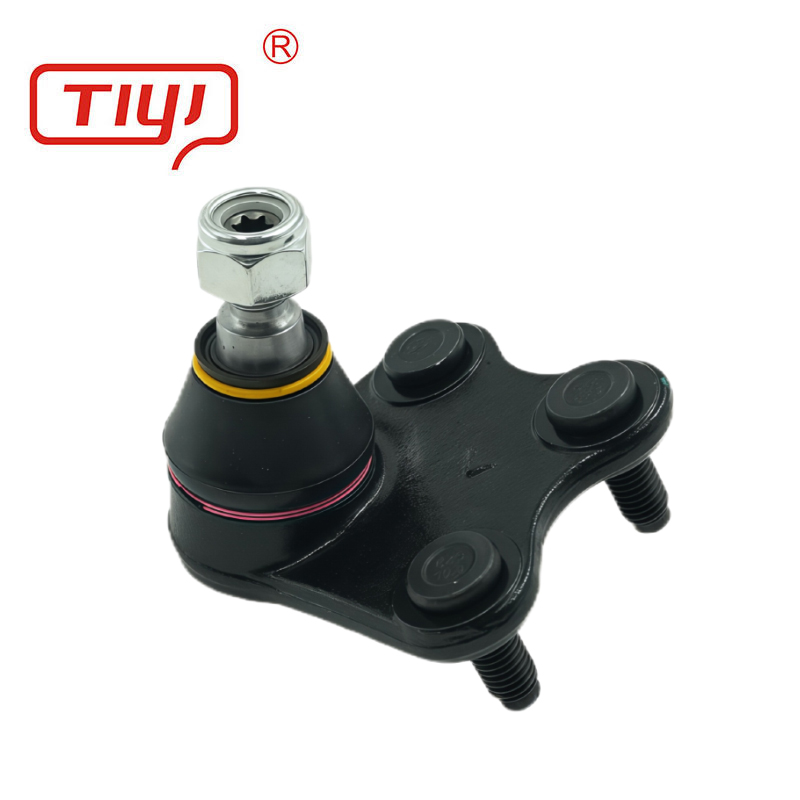
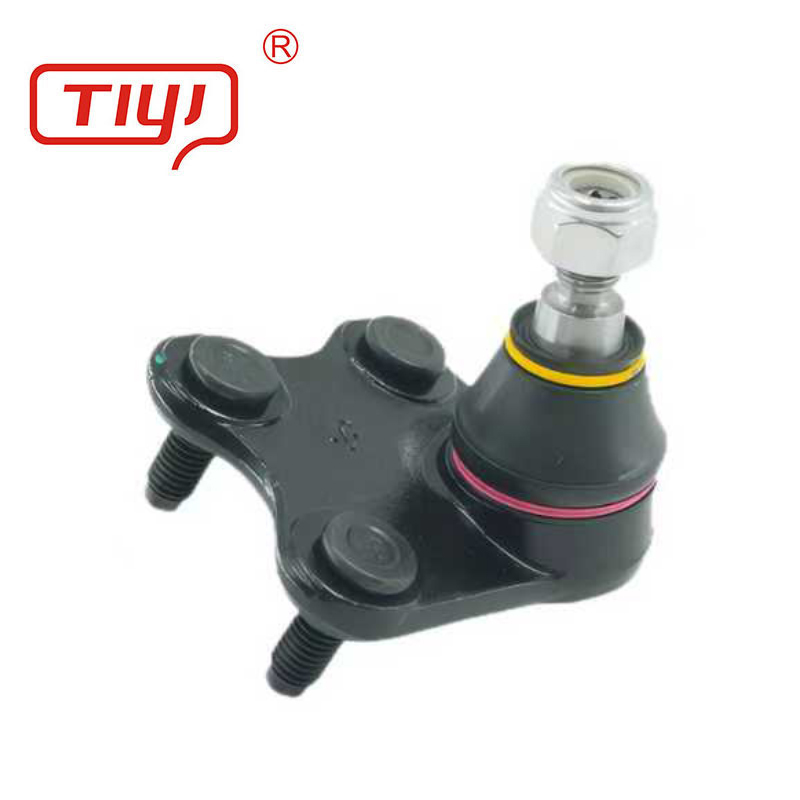
A professional ball joint repair relies on a methodical approach and quality replacement parts. The methodology begins with a proper diagnosis, often lifting the vehicle and using a pry bar to check for vertical movement between the steering knuckle and the control arm. The repair itself requires safely compressing the suspension spring (if applicable) and using a specialized ball joint press—a C-clamp style tool with adapters—to press the old joint out of the control arm and the new one in.
The quality of the replacement part is paramount. It should have a forged or hardened housing, a case-hardened stud, and a durable, flexible boot. The installer must clean the bore in the control arm thoroughly. For press-in joints, the press must be aligned perfectly to avoid cocking the joint. For bolt-in types, the mounting surfaces must be clean. The final step—torquing the castle nut to spec and installing a new cotter pin—is a critical safety lock. The entire process emphasizes doing no harm to adjacent components and ensuring a secure, long-lasting installation.