

 English
 中文简体
中文简体
 Español
 عربى
عربى

Specification
| Parameter | Details |
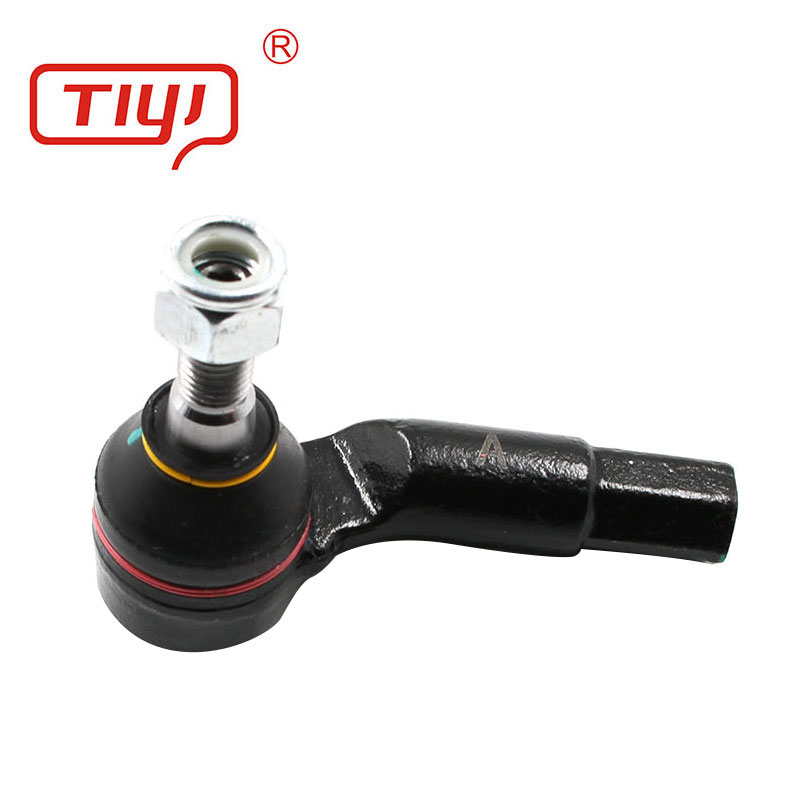
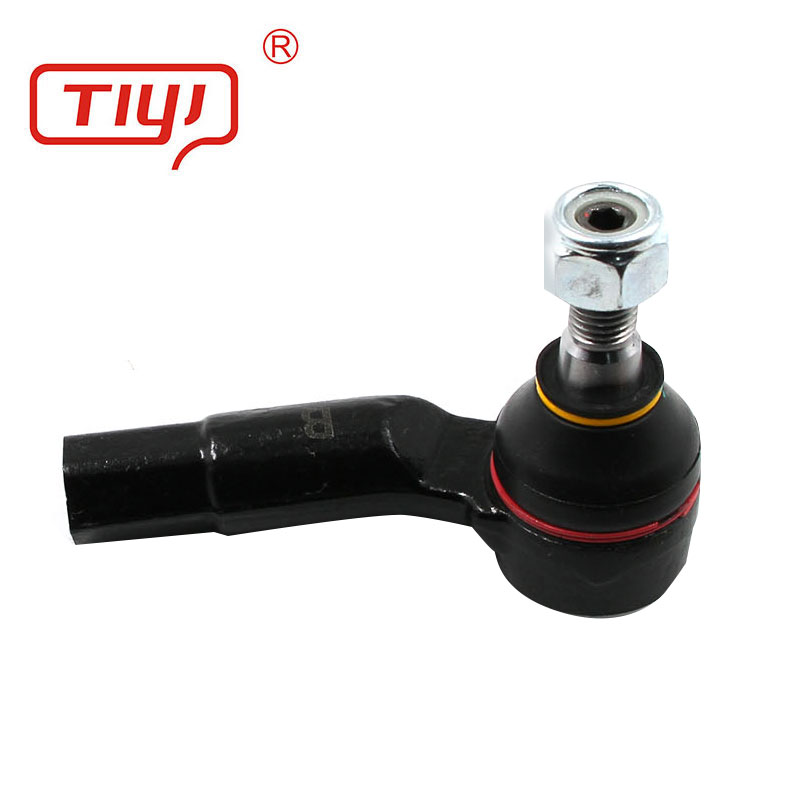
| Type | Inner Tie Rod End, Outer Tie Rod End |
| Thread Size (Adjustment) | Vehicle-specific (e.g., M12x1.25, M14x1.5, M16x1.5) |
| Stud Taper | Machined to exact angle matching steering knuckle (commonly 7°) |
| Housing Material | Forged or Stamped Steel, sometimes Aluminum for performance |
| Stud/Ball Material | Heat-Treated Alloy Steel, Case-Hardened for durability |
| Bearing/Socket | Polymer Composite, Sintered Metal, or Needle Bearing design |
| Seal/Boot | Integral, high-quality rubber or polyurethane boot, bellows-type for inner ends |
| Load Type | Primarily axial (push-pull) from steering forces |
Applications
Tie rod ends are used in every vehicle with a mechanical steering system. They are a key component of rack-and-pinion steering, the most common system in modern passenger cars, where an inner and outer tie rod end are used on each side. They are also used in recirculating-ball steering systems, typically found in older cars and many trucks, where they connect the steering center link to the knuckle.
Their application is fundamental to steering function. Performance and heavy-duty tie rod ends are used in motorsports, autocross, and on off-road vehicles where steering loads are higher and durability is paramount. When a vehicle is lifted, extended or heavy-duty tie rod ends are often required to maintain proper steering geometry and strength. They are a routine replacement item in high-mileage vehicle maintenance and front-end collision repair.
Advantages
- Direct Steering Control and Accuracy: Provides a precise, direct mechanical link for steering input, ensuring the wheels respond accurately to driver commands.
- Essential for Wheel Alignment: The threaded design allows mechanics to easily and precisely set the vehicle's toe angle, which is critical for straight-line stability and tire life.
- Integrated Environmental Protection: The sealed boot effectively retains lubrication and excludes dirt, water, and road debris, ensuring long service life.
- Robust Construction for Demanding Loads: Engineered to handle constant steering forces and the stresses of suspension movement without failure.
- Safety-Critical Reliability: A reliable tie rod end is fundamental to safe vehicle operation, maintaining a positive connection between the steering wheel and the road.
- Vehicle-Specific Engineering: Designed for exact fitment and to maintain the intended steering geometry and feel for the specific vehicle model.
- Prevents Costly Tire Wear: A tight tie rod end is the first line of defense against rapid, uneven tire wear, particularly feathering or saw-tooth patterns on the tread.
Materials and Structure
The outer tie rod end consists of a forged or stamped steel body housing a precision ball joint. The ball stud is made from heat-treated alloy steel with a precisely machined tapered shank. This stud pivots in a socket lined with a low-friction polymer (like acetal) or a sintered metal bearing, all packed with high-temperature grease. A large, flexible rubber or thermoplastic boot is crimped over the housing to create a durable seal.
The inner tie rod end has a different but related structure. For rack-and-pinion systems, it often features a ball socket that attaches directly to the steering rack output shaft, enclosed within the rack's protective bellows boot. The connection to the outer tie rod is via a threaded tube or a female socket. The adjustment sleeve, which connects the inner and outer ends, is a critical piece, often made of steel with a locking clamp or pinch bolt to secure the setting after alignment.