


 English
 中文简体
中文简体
 Español
 عربى
عربى

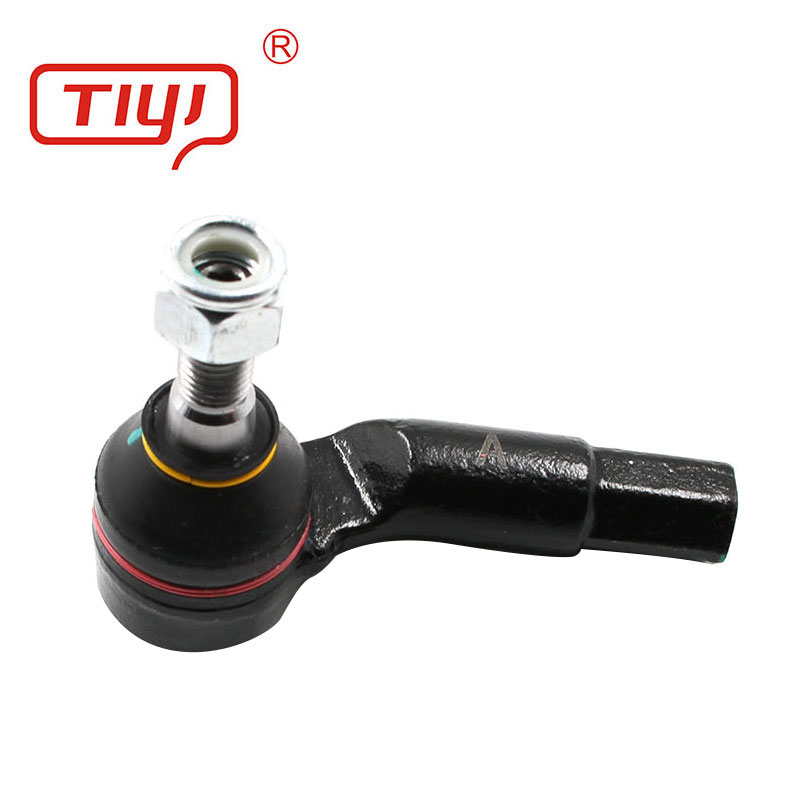
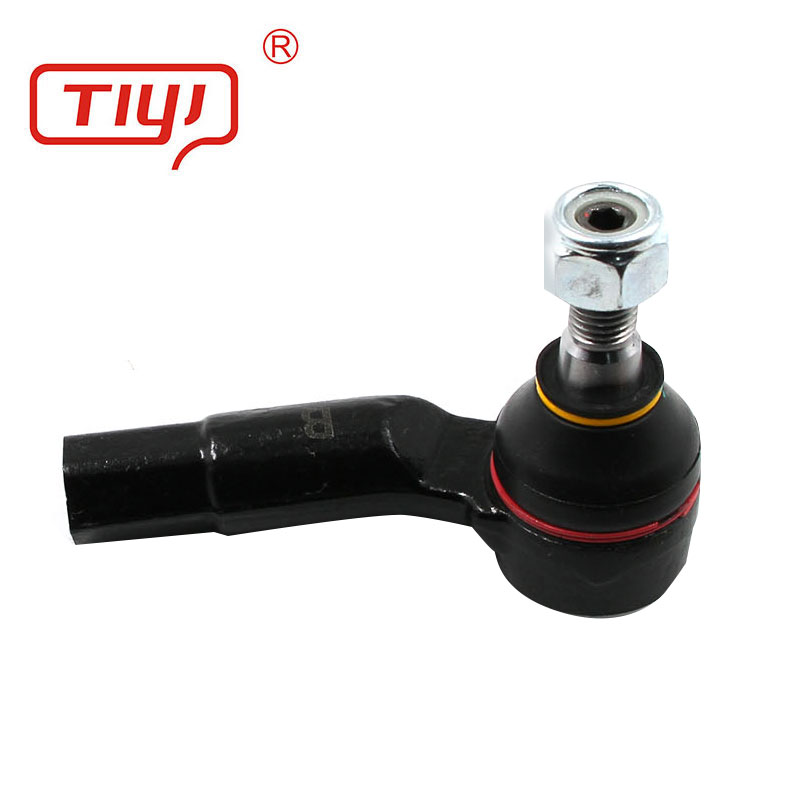
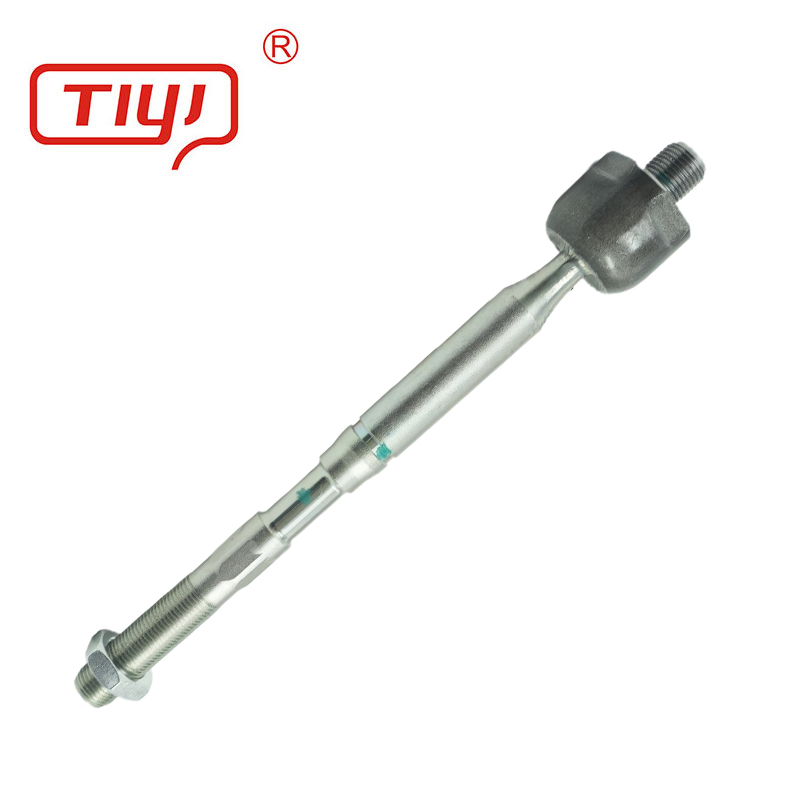
Specification
| Component | Kit Inclusions & Details |
| Tie Rod Assemblies | Inner and Outer Tie Rod Ends, pre-connected by an adjustment sleeve/rod. |
| Hardware Included | New Lock Nuts, Clamp Bolts, Cotter Pins, sometimes Bellows Boots for inner ends. |
| Adjustment Feature | Pre-set to approximate OEM length; fully adjustable for fine-tuning toe alignment. |
| Boots/Seals | High-quality, integral rubber or polyurethane boots on all joints. |
| Kit Type | Driver Side, Passenger Side, or Complete Axle Set (Left & Right). |
| Material (Rod/Sleeve) | High-Strength Steel, sometimes with corrosion-resistant coating. |
| Compatibility | Specific to vehicle make, model, year, and steering system type (rack-and-pinion). |
Applications
Tie rod end kits are applied whenever steering precision needs to be restored or during routine maintenance. This includes repairs on high-mileage vehicles showing steering play, after hitting a curb or pothole, and as a mandatory part of any front-end suspension rebuild. They are universally used on vehicles with rack-and-pinion steering, which covers most modern passenger cars, crossovers, and SUVs.
Performance and autocross enthusiasts use kits with upgraded components for sharper response. The off-road community relies on heavy-duty tie rod kits featuring larger diameter tubes and stronger joints to survive impacts. They are also a required upgrade when installing a lift kit, as the original tie rods may be at an extreme angle and prone to failure. For professional mechanics, these kits streamline the repair process, ensuring a complete and correct fix in less time.
Advantages
- Complete System Replacement:聽Addresses wear in both the inner and outer pivot points of the tie rod, not just one worn end, ensuring a thorough repair.
- Pre-adjusted Length for Easier Installation:聽Comes set close to the correct length, simplifying installation and getting the vehicle much closer to proper alignment before fine-tuning.
- Guaranteed Component Compatibility:聽Eliminates the risk of mismatching inner and outer ends, which may have different thread pitches or tapers.
- Time and Labor Savings:聽Reduces installation time compared to sourcing, matching, and assembling separate parts. Includes all necessary hardware.
- Improved Safety and Steering Feel:聽A new, tight tie rod system is crucial for maintaining precise vehicle control and eliminating dangerous play.
- Cost-Effective Solution:聽Often more economical than buying high-quality inner and outer ends separately, offering better value for a complete repair.
Materials and Structure
A tie rod end kit consists of a robust assembly. The outer tie rod end features a forged or stamped steel housing with a tapered, case-hardened stud that fits into the steering knuckle. The inner tie rod end is typically a ball socket design that attaches directly to the steering rack. These two ends are connected by a steel adjustment sleeve or a threaded tube.
The joints themselves use hardened steel ball studs rotating within polymer-lined or sintered metal sockets, packed with high-temperature grease and sealed by durable rubber boots. The adjustment mechanism is critical: it usually consists of a clamp that tightens around the sleeve or left-hand/right-hand threads that allow the overall length to be changed by rotating the center tube. The entire assembly is engineered for minimal deflection to provide direct steering feedback.