

 English
 中文简体
 Español
 عربى


A front CV axle replacement on a Toyota 4Runner usually costs $250 to $550 per side at an independent shop, and $700 to $1,200 per side at a Toyota dealer. Parts alone run $70 to $350 depending on whether you fit a budget aftermarket shaft or a Toyota remanufactured one, and labor runs about 1.5 to 3 hours per side. Doing it yourself lands at $70 to $200 in parts and an afternoon in the driveway.
That spread looks enormous, but only three things actually move the number: which axle you buy, what the shop charges per hour, and how hard the truck fights you. Rust, seized hardware and lift kits matter far more than the label on the box. Everything else, including the clicking noise, the split boot and the grease sprayed on your inner fender, only matters because it changes one of those three levers.
Content
- Cost Breakdown: What a 4Runner Axle Job Really Runs
- What Drives the Price Up or Down
- Toyota Reman vs Aftermarket: What You Get for the Money
- Parts That Usually Get Replaced While the Axle Is Out
- Reboot or Replace? The $40 Repair That Sometimes Works
- Doing It Yourself: Tools, Torque and the Alignment Question
- How to Keep the Bill Down
- FAQ: 4Runner CV Axle Costs and Repairs
Cost Breakdown: What a 4Runner Axle Job Really Runs
Expect the numbers below for a 4th- or 5th-generation 4Runner (2003 and newer), priced per side at US shop rates. Note that a two-wheel-drive 4Runner has no front CV axles at all, so a front axle quote on a 4x2 usually means the wrong job is being quoted.
| Repair path | Part cost (per side) | Labor | Typical total per side |
|---|---|---|---|
| DIY with a budget aftermarket shaft | $70–$140 | 2–4 hours of your own time | $70–$140 |
| Independent shop, aftermarket shaft | $90–$180 | 1.5–2.5 hours at $100–$160/hour | $250–$550 |
| Independent shop, Toyota remanufactured shaft | $180–$300 plus core charge | 1.5–2.5 hours | $380–$700 |
| Toyota dealer, new OEM shaft | $350–$600 | 2–3 hours at $130–$190/hour | $700–$1,200 |
| Both sides in one visit | Parts x 2 | Roughly 1.5–1.8x single-side labor | Saves $100–$200 against two visits |
What Drives the Price Up or Down
Parts tier is the biggest single lever on paper, but rust and seized fasteners are the most common surprise on the final invoice.
- Axle tier. A budget new assembly and a Toyota remanufactured shaft can differ by $150 to $250 per side. On a commuting truck, that gap shows up mainly in boot life and vibration, not in whether the part works at all.
- Labor rate. Around $100 per hour at a rural independent shop versus $190 per hour at a metro dealer is a $180 to $270 swing on the same two-hour job.
- Rust. In salt-belt states, the 36 mm axle nut, the hub splines and the knuckle bolts can all be seized. Budget an extra $100 to $300 if the shop has to heat, cut or press, and more if a wheel bearing is damaged during removal.
- Lift kits. A truck with a three-inch lift and coilovers often needs the coilover unbolted so the knuckle can swing clear, which adds an hour or more. High-angle CV boots cost $40 to $80 more than standard boots.
- While-you-are-in-there items. Ball joints, tie rod ends, sway bar links, differential seals and wheel bearings are all easier to reach with the axle out. Adding them costs $100 to $400, but avoids paying the same labor twice.
- One side or both. Shops usually charge less for the second side because the truck is already on the lift. If the opposite boot is cracked or the joint already clicks, do both.
Toyota Reman vs Aftermarket: What You Get for the Money
The short answer: a Toyota remanufactured axle is the safest default for a truck you plan to keep for years, and a budget aftermarket shaft is a reasonable bet for a trail rig, a weekend toy or a truck you will sell within a year.
| Option | Price band per side | Strengths | Watch out for |
|---|---|---|---|
| Budget aftermarket new assembly | $70–$160 | Cheap, widely stocked, arrives with new joints and boots | Boot rubber and joint tolerance vary; vibration complaints are common on lifted trucks |
| Mid-tier aftermarket with high-angle boots | $150–$260 | Better boot compound, tolerates two to three inches of lift | Confirm the ABS tone ring is included and fits your model year |
| Toyota remanufactured shaft | $180–$300 plus core | Factory joints, factory fit, predictable balance | Core charge if you keep the old shaft; supply varies by model year |
| New OEM shaft | $350–$600 | Longest typical service life, supported by the dealer network | Hard to justify on a high-mileage truck that sees trail use |
Parts That Usually Get Replaced While the Axle Is Out
On a 4Runner the axle is rarely the only tired part in that corner. The job requires separating the knuckle from a ball joint or tie rod end anyway, so anything already loose is far cheaper to replace now than to replace in a month when the same labor comes around again.
Ball joints
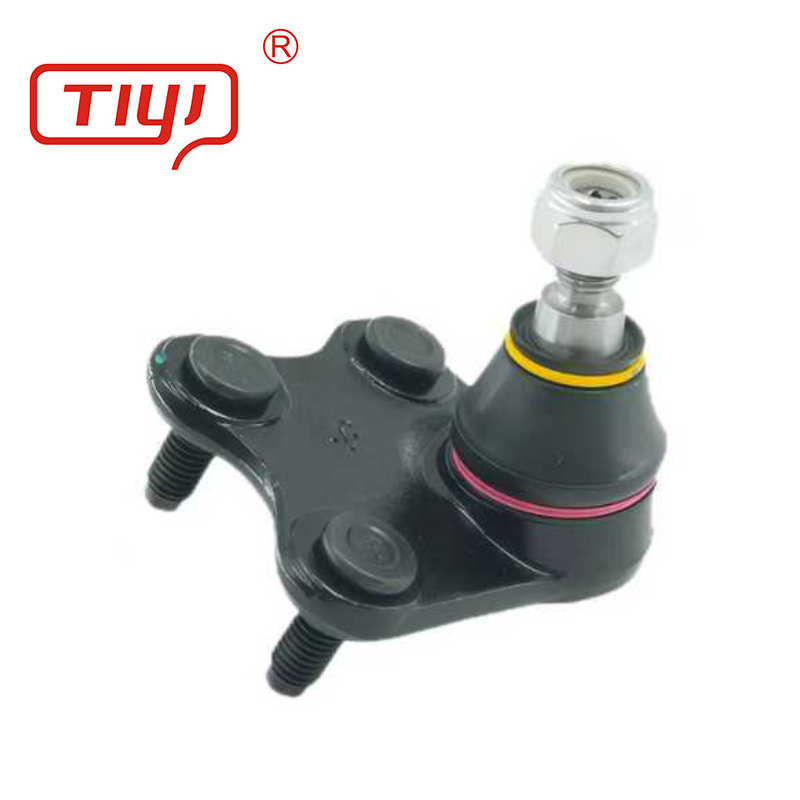
A worn lower ball joint shows up as a clunk over speed bumps, vague steering and uneven tire wear. Because the knuckle is already off, adding a ball joint costs $30 to $80 in parts and almost no extra labor. A joint that has passed a million-cycle load test is not the same product as an unbranded one that passed a tenth of that, and the load figure is the number worth asking about.
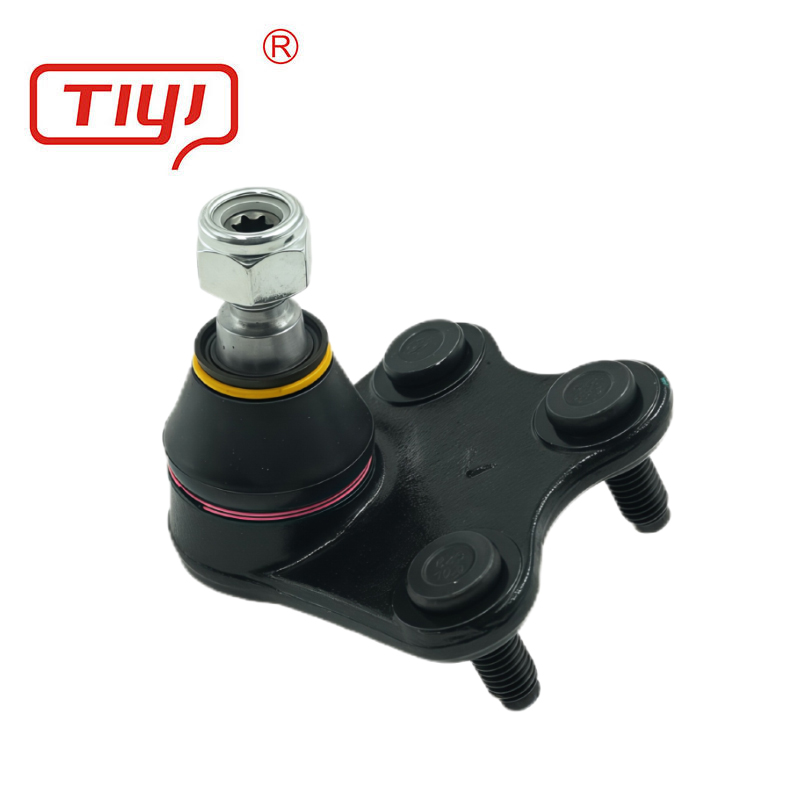 Tianyu Ball Joint for VW New Jetta and New SantanaTianyu LF33376L iron ball joint with OEM 6RD407365 and M12×1.5 thread; fits listed VW, Audi, Skoda and Seat models. MOQ 50, customization available.View Product →
Control arms and bushings
Lower control arm bushings crack and go soft long before the arm itself fails. The symptom is a dull knock over rough pavement plus a wandering feel at highway speed. Replacement arms with pre-installed bushings and ball joints remove the pressing work entirely, which is why shops prefer them over bushing-only repairs.
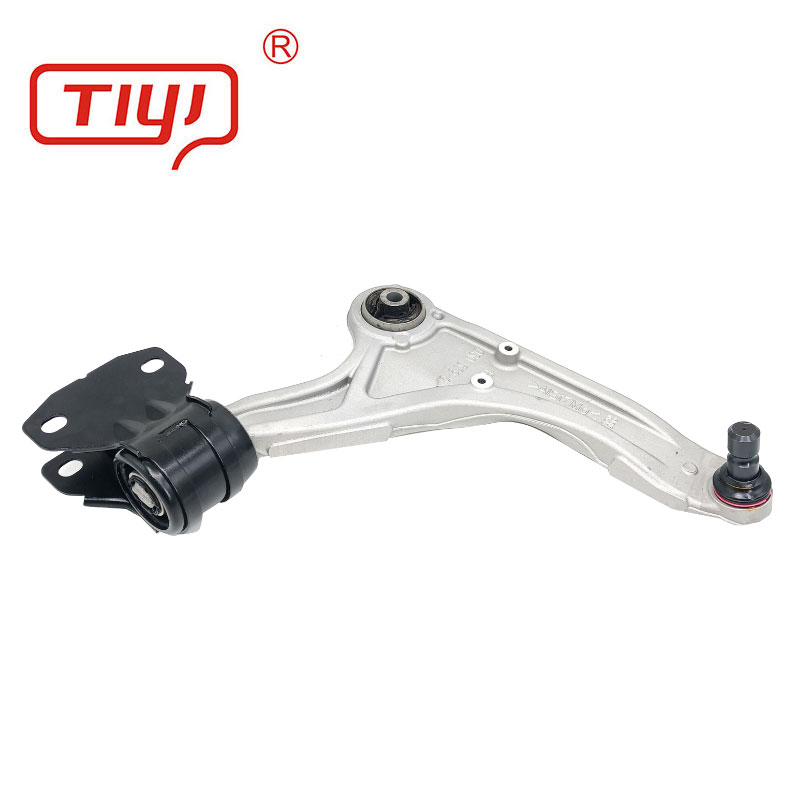 Tianyu Lower Control Arm for Ford Mondeo and Lincoln MKZAluminum control arm with OEM DG9C3A053ANE and Tianyu LF60473R, listed for Ford Mondeo 2013- and Lincoln MKZ 2014-; MOQ 30, customization available.View Product →
Tie rod ends, rack ends and stabilizer links
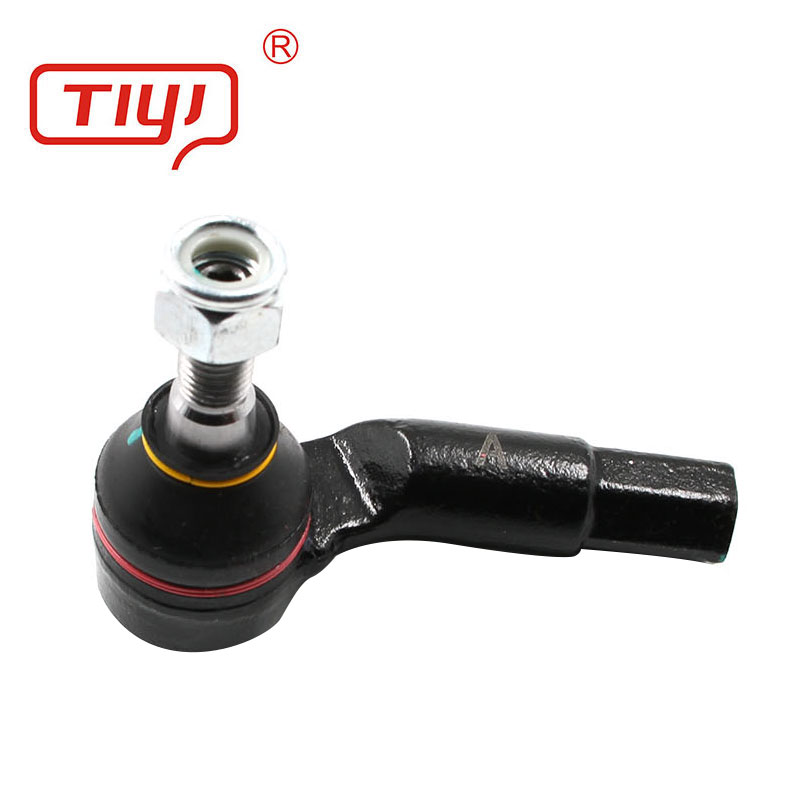
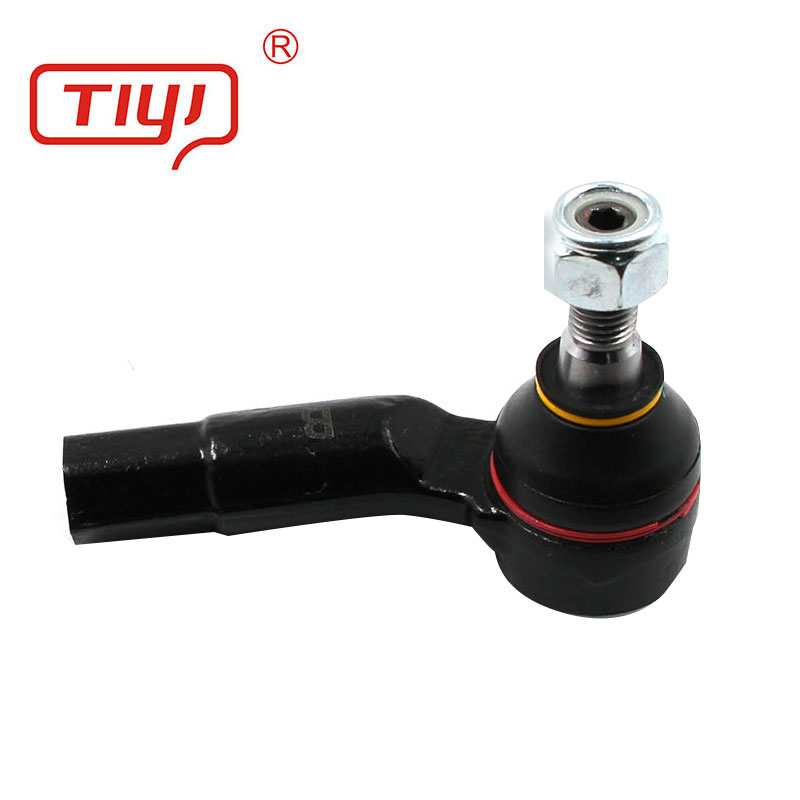
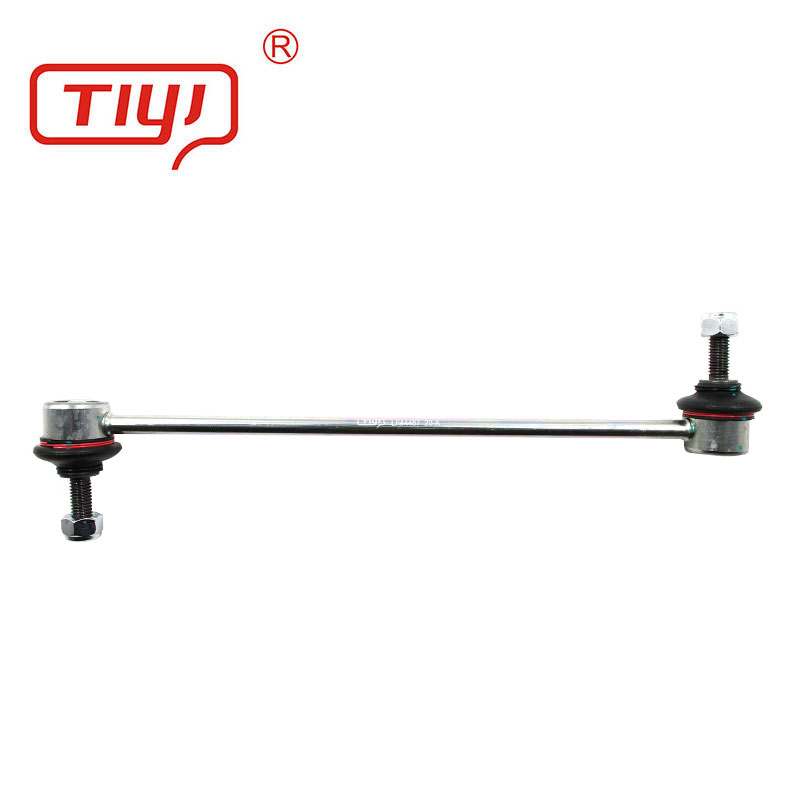
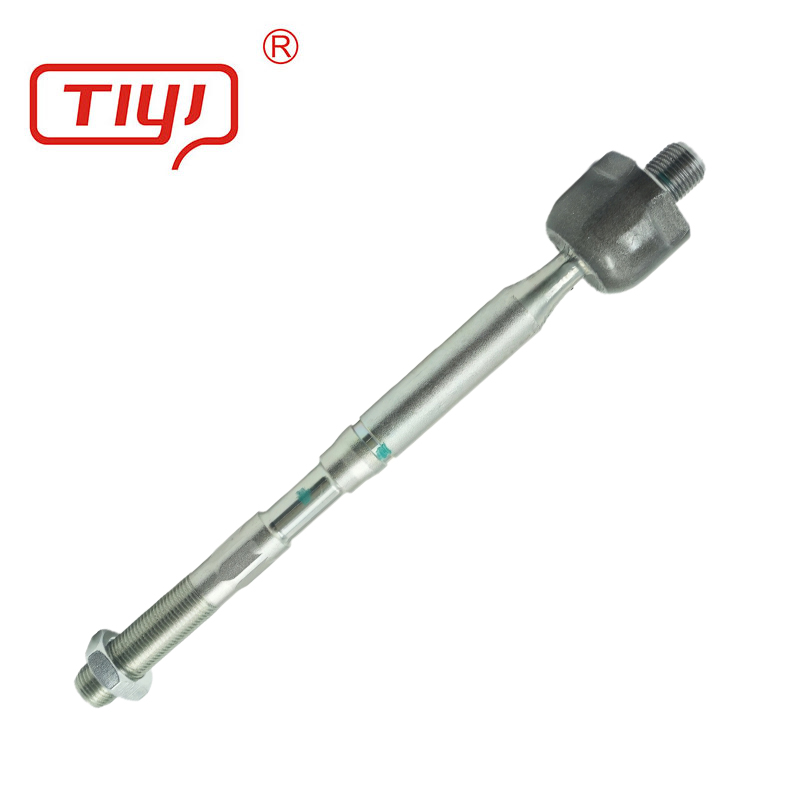
Steering parts share this corner and share the alignment, so replacing a tired tie rod end or rack end during axle work means paying for one alignment instead of two. Stabilizer links are cheap enough at $20 to $60 that most shops swap them when the boots have split.
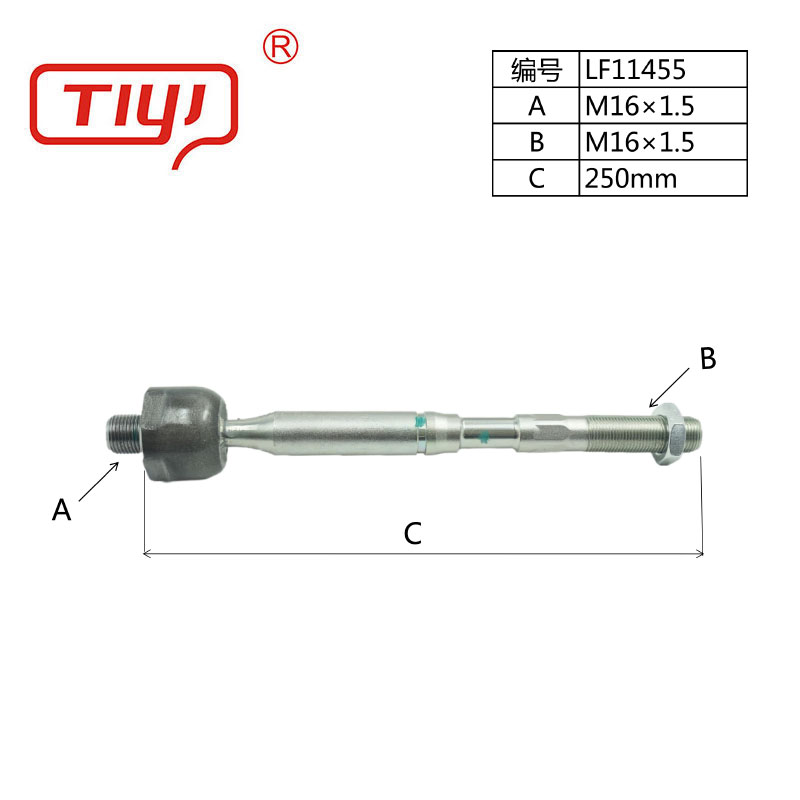 Tianyu Rack End for Toyota RAV4 III 2005-2013Iron rack end with OEM 45503-42030, M16×1.5 threads and 250 mm installation size; fits Toyota RAV4 III 2005-2013. MOQ 50, customization available.View Product →
Reboot or Replace? The $40 Repair That Sometimes Works
A reboot only makes sense when the joint is still quiet and the boot has just cracked. A reboot kit, meaning a new boot, grease and clamps, costs roughly $25 to $60, but the labor is almost identical to an axle swap because the shaft still has to come out. You are saving part cost, not labor.
The check is simple. Grab the shaft with the wheel off the ground and rotate it while feeling for notchiness, then look at the grease: gritty, metallic grease means the joint is already ground down and a reboot is wasted money. Clean grease and no play means a reboot can run another 40,000 to 60,000 miles on a pavement-driven truck.
Doing It Yourself: Tools, Torque and the Alignment Question
Yes, a driveway axle swap is realistic on a 4Runner, provided you have the right socket and you do not hammer the threaded end of the shaft.
- Break the 36 mm axle nut loose with the truck on the ground, before lifting it.
- Raise and secure the front end on jack stands, then remove the wheel and the brake caliper if it blocks access.
- Separate the lower ball joint or the tie rod end from the knuckle, then swing the knuckle aside.
- Push the shaft out of the hub with a brass drift or a puller, never with a hammer directly on the shaft end.
- Pry the inner joint out of the front differential evenly on both sides. A weeping differential seal is a common find here and costs only $10 to $30.
- Torque the new hub nut to the factory figure for your model year, commonly around 173 ft-lb on 4th- and 5th-generation trucks, and re-check it after 50 miles.
Alignment is the follow-up question. You do not need one after an axle swap as long as you never spun the tie rod adjustment sleeve, because camber and toe are untouched. If the sleeve moved or the tie rod end was replaced, get the toe checked, which runs $80 to $150. Allow two to four hours for the first side and about half that for the second.
How to Keep the Bill Down
The cheapest axle job is the one that is quoted correctly the first time, so ask for these details before you approve anything.
- Ask whether the shaft is new, remanufactured or used, and get the part number in writing.
- Ask for a price for both sides at once; the second side is usually billed at a reduced labor rate.
- Ask what else the technician found while the knuckle was apart, and whether it is a safety item or a convenience item.
- If the shop allows customer parts, a Toyota remanufactured shaft plus their labor is often the lowest total for factory-quality joints. Many shops will not warranty customer-supplied parts, so confirm first.
- Skip the alignment unless the tie rod sleeve or a ball joint was disturbed, and request the printout if one is performed.
FAQ: 4Runner CV Axle Costs and Repairs
How much should one CV axle cost installed on a 4Runner?
Budget $250 to $550 per side at an independent shop with an aftermarket shaft, and $700 to $1,200 per side at a Toyota dealer with a new OEM shaft. Anything above $1,300 per side usually includes additional suspension work rather than just the axle.
Do I need to replace both CV axles at once?
Not automatically, but it is often smart. Both front shafts live in the same conditions and usually age together, and the second side is billed at reduced labor because the truck is already on the lift. If the opposite boot is already cracked, replace it now.
Is it safe to drive with a clicking CV axle?
For a short distance at low speed, yes, with care. A clicking joint is already worn, and it can progress to a vibration under acceleration or, in the worst case, a shaft that fails and leaves you stranded. Grease thrown from a torn boot onto a hot brake rotor is a separate and immediate safety issue.
How long do 4Runner CV axles last?
Roughly 60,000 to 150,000 miles, with the boot usually failing before the joint does. Lifted trucks with steep axle angles, off-road use in mud and water, and budget boot rubber all shorten that window considerably.
Why does the dealer quote so much more?
Two reasons, and neither is a mystery: a new OEM shaft costs two to three times a budget aftermarket unit, and dealer labor rates run higher. The dealer quote also often includes an alignment and a multipoint inspection that an independent shop may not bundle in.
The number you pay is set by the axle you choose and the labor rate around it, and by how much of the front corner needs attention once the knuckle is apart. Getting the ball joints, control arms and steering parts inspected at the same time is what separates a one-time bill from a repeat visit in three months.
Tianyu has been manufacturing chassis and steering components since the late 1990s, with two plants totaling 60,000 square meters, in-house testing such as million-cycle ball joint load runs, more than two million pieces in stock and a minimum order of a single carton. Alongside ball joints, suspension repair kits and related service parts, that range covers the categories that share labor with a CV axle swap, whether you are a distribution buyer or an independent shop planning a repair.