

 English
 中文简体
中文简体
 Español
 عربى
عربى

Do Auto Stabilizer Links Need to Be Replaced in Pairs?
 Administrator
 2026-03-19
Quick Answer: Yes — it is strongly recommended to replace auto stabilizer links in pairs (both left and right sides at the same time), even if only one side appears damaged. This ensures balanced handling, even wear, and optimal suspension performance.
When your mechanic tells you that one of your auto stabilizer links needs replacing, a common question arises: do you need to replace both sides, or just the damaged one? This is one of the most frequently asked questions in vehicle suspension maintenance, and the answer has a direct impact on safety, cost, and long-term performance.
In this guide, we will walk you through everything you need to know about auto stabilizer link replacement — from understanding what they do, to recognizing failure symptoms, to comparing the costs and benefits of single vs. paired replacement.
Content
- What Is an Auto Stabilizer Link?
- Why Replace Auto Stabilizer Links in Pairs?
- Single vs. Paired Replacement: A Detailed Comparison
- Signs Your Auto Stabilizer Link Needs Replacement
- How Long Do Auto Stabilizer Links Last?
- Auto Stabilizer Link Replacement Process
- Should You Also Replace the Stabilizer Bar Bushings?
- Front vs. Rear Auto Stabilizer Links: Are Both Axles Affected?
- Frequently Asked Questions (FAQ)
- Q1: Is it safe to drive with a broken auto stabilizer link?
- Q2: Can I replace auto stabilizer links myself?
- Q3: How much does it cost to replace a pair of auto stabilizer links?
- Q4: What happens if I only replace one stabilizer link?
- Q5: How do I know which side the stabilizer link is failing on?
- Q6: Do heavier vehicles need more frequent auto stabilizer link replacement?
- Q7: Can a bad auto stabilizer link affect wheel alignment?
- Conclusion
What Is an Auto Stabilizer Link?
An auto stabilizer link — also known as a sway bar link, anti-roll bar link, or stabilizer bar link — is a small but critical component of your vehicle's suspension system. It connects the sway bar (also called the anti-roll bar or stabilizer bar) to the suspension's control arm or strut assembly on each side of the vehicle.
The primary function of the auto stabilizer link is to transfer the forces experienced by one wheel to the opposite side, reducing body roll during cornering. Without functioning stabilizer links, your vehicle would lean excessively into turns, compromising both handling precision and occupant safety.
Key Components of an Auto Stabilizer Link
- Ball joints or bushings: Allow rotational movement and absorb vibration between the sway bar and suspension.
- Link rod or shaft: The main connecting bar that transfers force between components.
- End fittings: Threaded fasteners that secure each end of the link to its mounting point.
Why Replace Auto Stabilizer Links in Pairs?
The suspension system of your vehicle is designed as a symmetrical, balanced unit. The left and right auto stabilizer links work in tandem — when one side transfers force, the other side reacts simultaneously. Because of this cooperative relationship, replacing only one side introduces mechanical imbalance.
5 Reasons Paired Replacement Is Recommended
- Equal wear rates: Both stabilizer links are exposed to identical road conditions and forces. If one has worn out, the other is likely close behind.
- Balanced handling: Replacing only one side can result in uneven stiffness across the front or rear axle, causing the vehicle to pull or sway unevenly in corners.
- Cost efficiency: Labor costs for replacing one link are nearly identical to replacing two, since the mechanic must already be working in the same area of the vehicle.
- Reduced comeback risk: Replacing both links at once minimizes the chance of returning to the shop shortly after for the second side.
- Safety assurance: A worn auto stabilizer link on one side can place excess stress on the newly installed link on the opposite side, accelerating premature failure.
Single vs. Paired Replacement: A Detailed Comparison
To help you make an informed decision, here is a side-by-side comparison of replacing one auto stabilizer link vs. both at the same time:
| Factor | Single Replacement | Paired Replacement |
| Upfront Parts Cost | Lower (1 link) | Moderate (2 links, often discounted) |
| Labor Cost | High per link (separate visit likely) | Low per link (done at same time) |
| Handling Balance | Potentially uneven | Fully balanced |
| Risk of Return Visit | High | Very low |
| Long-Term Cost | Higher (two separate jobs) | Lower overall |
| Safety | Moderate risk from imbalance | Optimal |
| Recommended? | Not preferred | Yes — strongly recommended |
Signs Your Auto Stabilizer Link Needs Replacement
Identifying a failing auto stabilizer link early can prevent more costly suspension damage. Here are the most common symptoms to watch for:
1. Clunking or Rattling Noise
A worn auto stabilizer link commonly produces a clunking or rattling sound, especially when driving over bumps, speed humps, or uneven road surfaces. This noise typically comes from the front suspension area and becomes more pronounced at low speeds.
2. Excessive Body Roll in Corners
If your vehicle leans noticeably to one side when turning, the auto stabilizer link may no longer be transferring force effectively. This symptom is particularly noticeable during highway lane changes or sharp urban corners.
3. Poor Steering Response
A failed stabilizer link can cause vague or delayed steering response. Drivers may feel the vehicle wander slightly between lane lines or require more steering input than usual to maintain direction.
4. Uneven Tire Wear
When the auto stabilizer link is compromised on one side, the suspension geometry can be affected, leading to irregular contact between the tire and road surface. This results in abnormal wear patterns on the inner or outer edge of the tire.
5. Visible Damage or Loose Movement
During a visual inspection, a worn auto stabilizer link may show cracked rubber bushings, corrosion on the rod, or excessive play when the link is manually moved by hand. Any of these signs warrants immediate replacement.
How Long Do Auto Stabilizer Links Last?
Auto stabilizer links are designed to be durable, but their lifespan varies depending on driving conditions, road quality, and vehicle type. Below is a general overview:
| Driving Condition | Expected Lifespan | Notes |
| Smooth highway driving | 80,000 – 150,000 km | Minimal stress on links |
| Mixed city and highway | 60,000 – 100,000 km | Moderate wear from varied surfaces |
| Urban roads with potholes | 40,000 – 70,000 km | High impact stress accelerates wear |
| Off-road or rough terrain | 20,000 – 50,000 km | Extreme stress shortens lifespan significantly |
Keep in mind that these are approximate figures. Regular suspension inspections — typically every 20,000–30,000 km or at each tire rotation — are the best way to monitor the condition of your auto stabilizer links.
Auto Stabilizer Link Replacement Process
Understanding the replacement process helps you communicate with your mechanic and set realistic expectations for the service.
Step-by-Step Overview
- Vehicle inspection: The mechanic lifts the vehicle and visually inspects both auto stabilizer links for damage, corrosion, or play.
- Wheel removal (if necessary): Depending on vehicle design, the wheel may need to be removed for better access to the link mounting points.
- Fastener removal: The upper and lower mounting bolts or nuts securing the stabilizer link are loosened and removed. Corroded hardware may require penetrating oil and extra effort.
- Old link removal: The worn auto stabilizer link is detached from both the sway bar and the control arm or strut.
- New link installation: The new stabilizer link is positioned and secured to the correct torque specification using a torque wrench.
- Repeat on opposite side: The same process is carried out on the other side of the axle to complete the paired replacement.
- Test drive: The vehicle is test-driven to confirm the noise has been eliminated and handling feels balanced and controlled.
Estimated Labor Time
Replacing a pair of auto stabilizer links typically takes between 30 minutes and 1.5 hours depending on the vehicle model and accessibility of the mounting hardware. Vehicles with heavily corroded fasteners may take longer.
Should You Also Replace the Stabilizer Bar Bushings?
When replacing your auto stabilizer links, it is also worth inspecting the stabilizer bar bushings — the rubber mounts that hold the sway bar to the vehicle's subframe or chassis. These bushings deteriorate at a similar rate to the stabilizer links and are inexpensive to replace when the mechanic is already in the area.
Pro Tip: Replacing the sway bar bushings alongside the auto stabilizer links costs relatively little in extra parts and labor, but significantly reduces the chance of noise or handling issues returning in the near future.
Front vs. Rear Auto Stabilizer Links: Are Both Axles Affected?
Many vehicles are equipped with sway bars — and therefore auto stabilizer links — on both the front and rear axles. The replacement philosophy remains the same: replace in pairs per axle.
| Axle Position | Typical Wear Rate | Replace in Pairs? | Notes |
| Front | Higher (steering inputs) | Yes | Most commonly replaced first |
| Rear | Lower (no steering movement) | Yes | Check when doing front replacement |
You do not need to replace both front and rear at the same time unless both sets show signs of wear. However, if the front auto stabilizer links are being replaced, it is good practice to inspect the rear ones simultaneously.
Frequently Asked Questions (FAQ)
Q1: Is it safe to drive with a broken auto stabilizer link?
Driving with a broken auto stabilizer link is not recommended. While the vehicle may still be drivable in a straight line, body roll during cornering increases significantly, reducing stability and the ability to react to sudden hazards. The broken link can also contact other components and cause additional damage.
Q2: Can I replace auto stabilizer links myself?
Replacing auto stabilizer links is generally considered a beginner-to-intermediate level DIY task. Basic tools such as a socket set, torque wrench, and penetrating oil are usually sufficient. However, seized or corroded hardware can complicate the job. If you are not confident, having a professional complete the work ensures proper torque and alignment.
Q3: How much does it cost to replace a pair of auto stabilizer links?
The total cost to replace a pair of auto stabilizer links typically ranges from $80 to $250 depending on the vehicle make and model, parts quality, and local labor rates. Parts alone often cost between $20 and $100 per pair, with labor adding $50 to $150. Replacing both sides during the same visit is generally only marginally more expensive than replacing a single side.
Q4: What happens if I only replace one stabilizer link?
Replacing only one auto stabilizer link will likely solve the immediate noise issue, but the handling balance between left and right will be uneven. The older, worn link on the opposite side will continue to degrade, and the new link may wear faster due to compensating for its counterpart. In most cases, you will end up paying for a second replacement within a short period.
Q5: How do I know which side the stabilizer link is failing on?
The side that produces noise is usually the failing one. A mechanic can confirm this by grasping each auto stabilizer link and checking for excessive play or movement in the ball joints. A knocking noise when pushing down on the suspension also indicates the location of the worn link.
Q6: Do heavier vehicles need more frequent auto stabilizer link replacement?
Yes. SUVs, pickup trucks, and other heavier vehicles place greater forces on the suspension system, including the auto stabilizer links. As a result, the stabilizer links on these vehicles may wear out more quickly than those on lighter passenger cars, particularly if the vehicle is regularly loaded or driven on rough terrain.
Q7: Can a bad auto stabilizer link affect wheel alignment?
A severely worn or broken auto stabilizer link can indirectly affect suspension geometry, potentially leading to alignment drift over time. While stabilizer links are not a primary alignment component, their failure alters load distribution in the suspension, which may cause premature tire wear and handling deviations similar to those caused by misalignment.
Conclusion
The answer is clear: when it comes to replacing your auto stabilizer links, always replace them in pairs. The marginal increase in parts cost is far outweighed by the benefits of balanced handling, extended service life, and reduced total repair costs. Because both links operate under identical conditions and wear at similar rates, servicing them together is both the practical and economical choice.
If your vehicle is exhibiting clunking noises, excessive body roll, or vague steering, have both auto stabilizer links — as well as the sway bar bushings — inspected at your earliest opportunity. Early intervention keeps your vehicle performing safely and avoids more expensive suspension repairs down the road.
Related Products
-
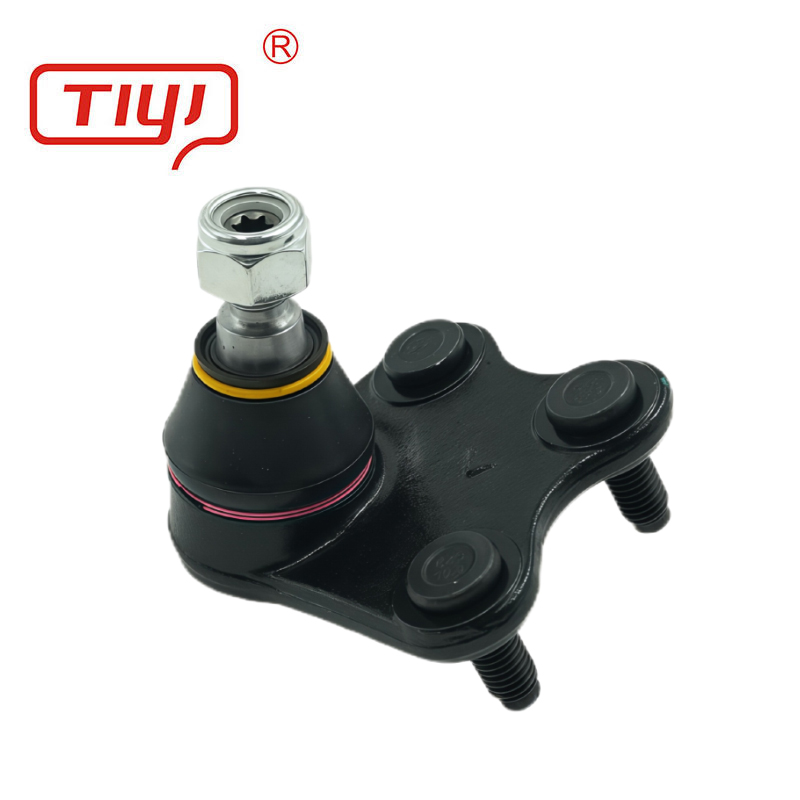
VW NEW JETTA/NEW SANTANA 2013-/BALL JOINT/OEM:6RD407365
View More -
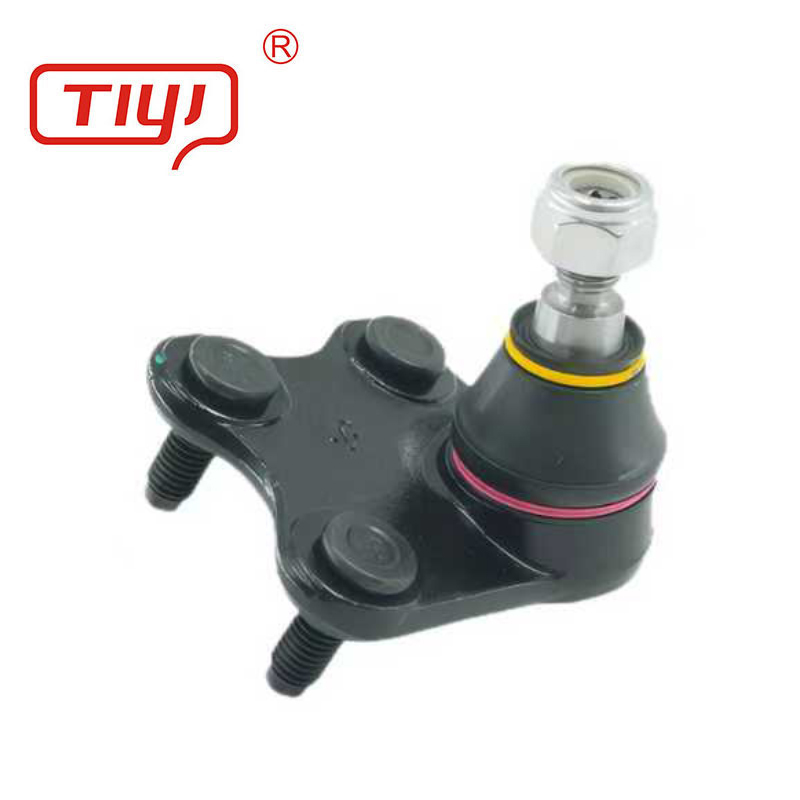
VW NEW JETTA/NEW SANTANA 2013-/BALL JOINT/OEM:6RD407366
View More -
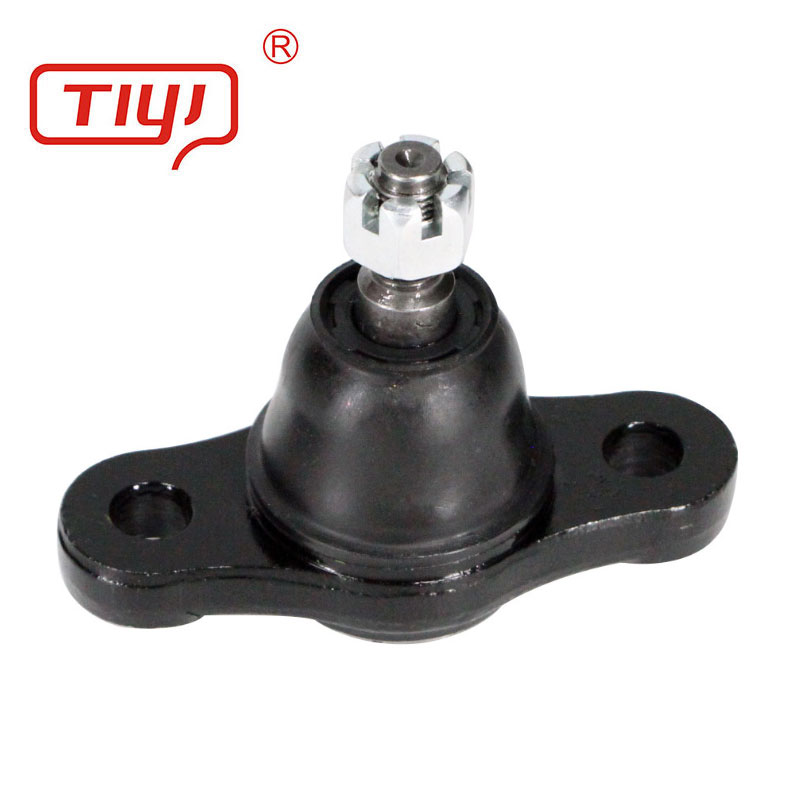
Hyundai Elantra 2000-2007/BALL JOINT/OEM:51760-0Q000
View More -
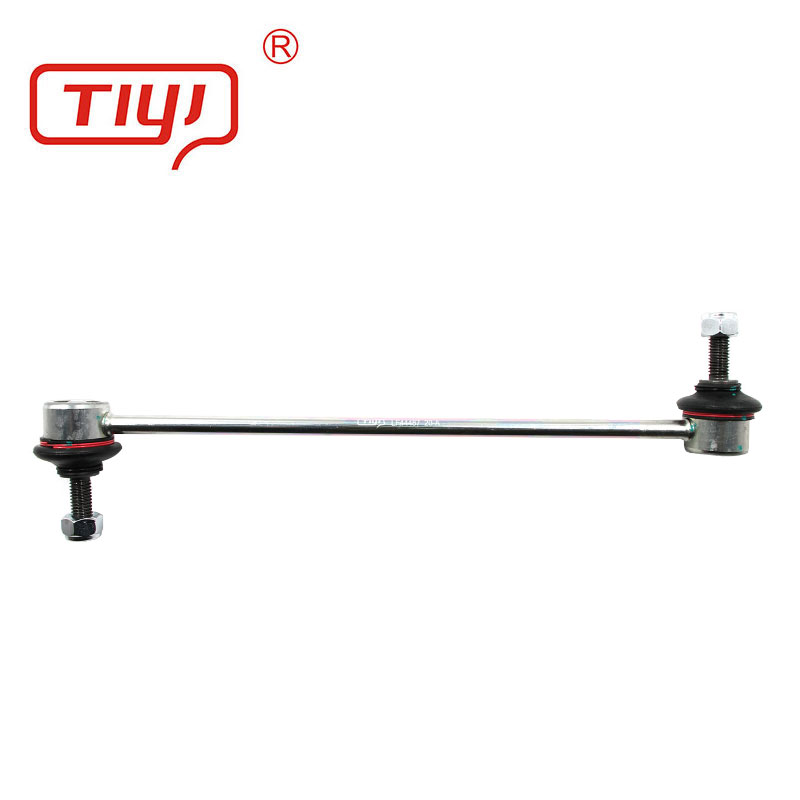
MAZDA 3(2006-2010)/FORD KUGA 13-/ LINCOLN MKC 2013-2017/VOLVO XC60 09-/FRONT LINKOEM: AV613B438BA
View More -
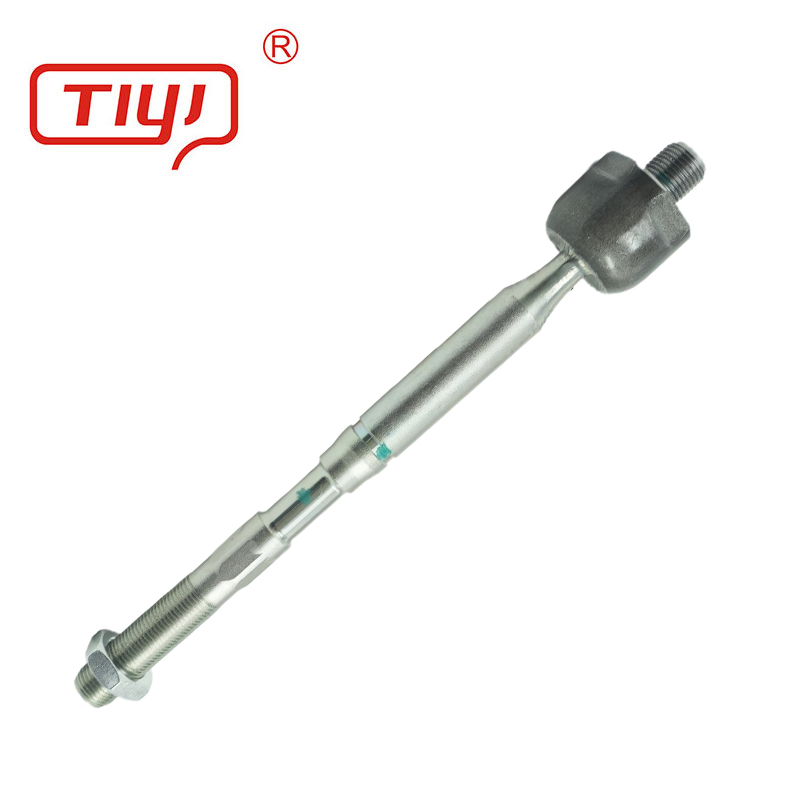
TOYOTA Rongfang 4th 3rd generation 2005-2013/Rack End/OEM: 45503-42030
View More
-



-
Quick Links
About Us Products Capabilities Support News & Events Contact Us -
Product Range
Rack End Tie Rod End Stabilizer Link Control Arm Ball Joint -
Address
No. 1471, Qingliu East Road, Chuzhou City, Anhui Province, China
