

 English
 中文简体
中文简体
 Español
 عربى
عربى

How to Tell If Your Stabilizer Link Needs Replacement
 Administrator
 2026-03-13
Short Answer: Your stabilizer link (also called a sway bar link) likely needs replacement if you notice clunking or rattling noises when cornering or driving over bumps, excessive body roll, poor steering response, or visible wear and damage on the link itself. Most stabilizer links last 50,000–100,000 miles, but road conditions and driving habits can shorten their lifespan significantly.
Content
- What Is a Stabilizer Link and Why Does It Matter?
- Top 6 Signs Your Stabilizer Link Needs Replacement
- Stabilizer Link Condition: Good vs. Worn — Quick Comparison
- How to Inspect a Stabilizer Link at Home
- Stabilizer Link vs. Sway Bar Bushing: What's the Difference?
- How Long Does a Stabilizer Link Last?
- Should You Replace the Stabilizer Link Yourself or Go to a Mechanic?
- Frequently Asked Questions (FAQ)
- Q: Can I drive with a broken stabilizer link?
- Q: Does a bad stabilizer link affect wheel alignment?
- Q: How do I know if the noise is from the stabilizer link or something else?
- Q: How long does it take to replace a stabilizer link?
- Q: Do all vehicles have stabilizer links?
- Q: What happens if I ignore a worn stabilizer link for too long?
- Conclusion: Don't Ignore Stabilizer Link Wear
What Is a Stabilizer Link and Why Does It Matter?
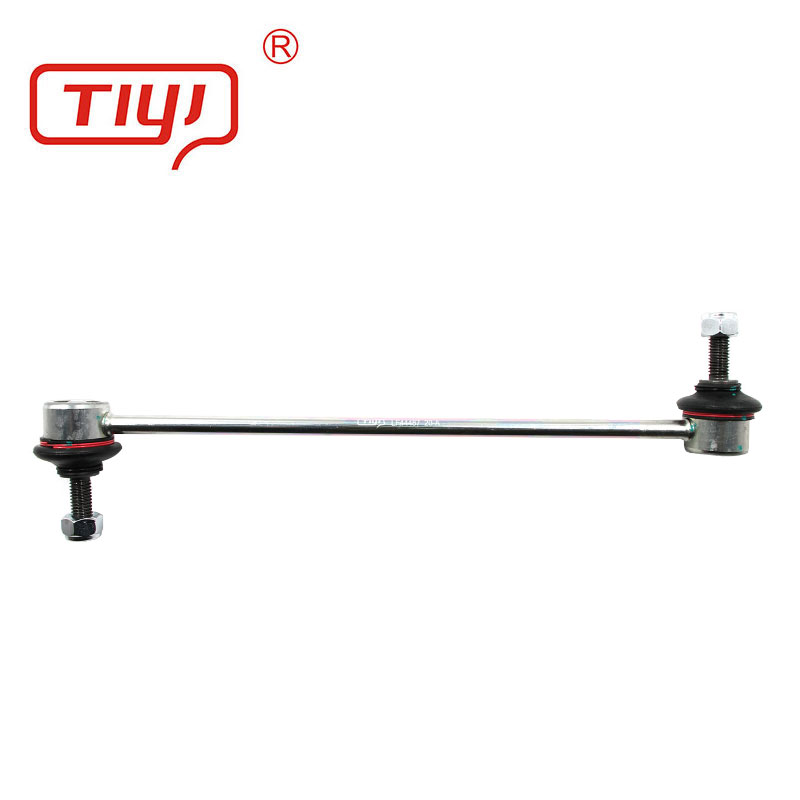
A stabilizer link is a small but critical component that connects the sway bar (stabilizer bar) to the suspension system—typically to the strut or control arm. Its job is to transfer force between the left and right sides of your vehicle's suspension, reducing body roll during cornering and keeping your car stable on uneven surfaces.
Without a functioning stabilizer link, your vehicle's handling becomes unpredictable, tire wear accelerates, and the additional stress can damage other suspension components. Because the link is a wear item subject to constant movement and road vibration, periodic inspection and replacement are essential for safe driving.
Top 6 Signs Your Stabilizer Link Needs Replacement
1. Clunking or Rattling Noises
One of the most common and recognizable symptoms is a clunking, knocking, or rattling noise coming from the front or rear suspension. This noise typically occurs when driving over speed bumps, potholes, or uneven pavement. The sound is caused by worn or loose ball joints inside the stabilizer link that allow excessive play.
2. Excessive Body Roll During Cornering
If your vehicle leans noticeably to one side when taking a turn—more than it used to—this is a strong indicator that the stabilizer link or sway bar system is compromised. A broken link disconnects the sway bar from the suspension, allowing the body to roll more freely. This makes the car feel unstable and reduces driver confidence at higher speeds.
3. Poor Steering Response or Looseness
A failing stabilizer link can translate into a vague or delayed steering feel. When the suspension components don't communicate properly, your car may wander slightly or require more correction when driving straight. Some drivers describe the steering as "floaty" or "disconnected" from the road.
4. Uneven Tire Wear
When a stabilizer link is worn, the suspension geometry can shift slightly, causing tires to wear unevenly—typically more on one edge. If you notice unusual wear patterns during a tire rotation or inspection, it's worth checking the sway bar link as part of the diagnosis.
5. Visible Damage or Cracked Bushings
A visual inspection under the vehicle can reveal obvious damage. Look for cracked rubber bushings, rust or corrosion on the link body, loose or missing nuts/bolts, or a link that is physically bent or broken. Damaged bushings are especially common in cold climates where rubber degrades faster due to freezing temperatures.
6. Vibration Through the Steering Wheel or Floorboard
In some cases, a deteriorated stabilizer link can cause vibrations that travel through the chassis into the steering wheel or cabin floor. While vibration has many causes, if it worsens on rough surfaces or during turns, the link should be inspected.
Stabilizer Link Condition: Good vs. Worn — Quick Comparison
Use this table to compare symptoms and help you quickly assess your stabilizer link condition:
| Indicator | Good Condition | Worn / Needs Replacement |
| Noise over bumps | Silent or minimal | Clunking, knocking, rattling |
| Body roll in corners | Controlled, minimal lean | Excessive leaning or swaying |
| Steering feel | Responsive, precise | Vague, loose, or delayed |
| Tire wear pattern | Even across tread | Uneven or edge wear |
| Visual inspection | Intact bushings, no rust | Cracked rubber, rust, bent link |
| Vibration in cabin | None | Felt in steering wheel or floor |
| Manual shake test | Firm, no play | Loose, wobbles freely |
How to Inspect a Stabilizer Link at Home
You don't need professional tools to perform a basic inspection. Here's a step-by-step process:
- Safety first: Park on a flat surface, engage the parking brake, and allow the exhaust to cool before going under the vehicle.
- Locate the stabilizer link: Look for the vertical or angled rod connecting the sway bar (a horizontal bar running across the suspension) to the strut or lower control arm.
- Check the bushings: Inspect the rubber or polyurethane bushings at both ends of the link. Cracking, tearing, or complete deterioration means replacement is overdue.
- Perform a manual shake test: With the vehicle's wheels on the ground, grab the link and try to move it. There should be no excessive play. If it wobbles freely, the ball joints inside are worn.
- Check for rust and physical damage: A heavily corroded or bent stabilizer link should be replaced immediately, regardless of how it feels.
- Have a helper bounce the car: While you observe the link from underneath, have someone press down firmly on the corner of the car above the link. Watch for unusual movement or hear for knocking sounds.
Stabilizer Link vs. Sway Bar Bushing: What's the Difference?
Many drivers confuse the stabilizer link with the sway bar bushing. They are related but separate components:
| Component | Location | Function | Common Symptom When Worn |
| Stabilizer Link | Between sway bar end and strut/control arm | Transfers lateral force, reduces body roll | Clunking over bumps, excessive roll |
| Sway Bar Bushing | Where sway bar mounts to the chassis | Cushions and holds the sway bar in position | Squeaking, slight roll, subtle looseness |
If your vehicle has noisy suspension but the stabilizer link looks fine, the sway bar bushings may be the culprit. It is recommended to inspect both components together during routine suspension service.
How Long Does a Stabilizer Link Last?
The lifespan of a stabilizer link varies depending on several factors. Under normal driving conditions on well-maintained roads, most links last between 50,000 and 100,000 miles. However, factors that accelerate wear include:
- Frequent driving on rough or unpaved roads — constant impact stress degrades ball joints and bushings faster
- Cold climates — freezing temperatures cause rubber bushings to harden and crack
- Aggressive cornering or spirited driving — higher lateral loads increase wear rate
- Lack of regular inspections — minor wear left unchecked accelerates damage
- Exposure to salt and road chemicals — causes corrosion and structural weakening
Most mechanics recommend inspecting your stabilizer link at every other tire rotation or at least once per year as part of a comprehensive suspension check.
Should You Replace the Stabilizer Link Yourself or Go to a Mechanic?
Replacing a stabilizer link is considered a straightforward job for an experienced DIY mechanic. However, it does require raising the vehicle safely, proper tools (including a torque wrench), and knowledge of torque specifications. Here's a quick comparison:
| Approach | Pros | Cons | Estimated Cost |
| DIY Replacement | Lower cost, learn your vehicle | Requires tools, risk of incorrect torque | $15–$60 per link (parts only) |
| Professional Mechanic | Warranty on labor, full inspection | Higher cost | $80–$200 per side (parts + labor) |
Pro Tip: Always replace stabilizer links in pairs (both left and right) even if only one is visibly worn. Since both links experience similar stress and mileage, the other is likely close to failure as well. Replacing both at the same time saves labor costs and ensures balanced handling.
Frequently Asked Questions (FAQ)
Q: Can I drive with a broken stabilizer link?
Technically yes, but it is not recommended. A broken stabilizer link significantly reduces vehicle stability and handling, especially at highway speeds or during emergency maneuvers. It can also cause damage to the sway bar, struts, and other suspension parts over time. Replace it as soon as possible.
Q: Does a bad stabilizer link affect wheel alignment?
A worn stabilizer link does not directly change your alignment angles, but it can affect how the suspension behaves dynamically, leading to irregular tire wear patterns that may mimic alignment issues. After replacing the link, it's good practice to have alignment checked if abnormal tire wear was observed.
Q: How do I know if the noise is from the stabilizer link or something else?
The classic stabilizer link noise is a clunk or rattle specifically when going over bumps or during slow-speed cornering. If the noise happens at high speed while driving straight, it is more likely tied to wheel bearings or tires. A mechanic can confirm the source by performing a loaded vs. unloaded suspension test.
Q: How long does it take to replace a stabilizer link?
For a professional mechanic, replacing a stabilizer link typically takes 30 to 60 minutes per side. For an experienced DIY mechanic with the right tools, expect 45–90 minutes. Corrosion or seized bolts can add significant time.
Q: Do all vehicles have stabilizer links?
Most modern passenger cars, SUVs, and trucks have front and rear stabilizer links. Some older economy vehicles or off-road trucks may have a sway bar only at the front. Check your owner's manual or service documentation to confirm which axles are equipped.
Q: What happens if I ignore a worn stabilizer link for too long?
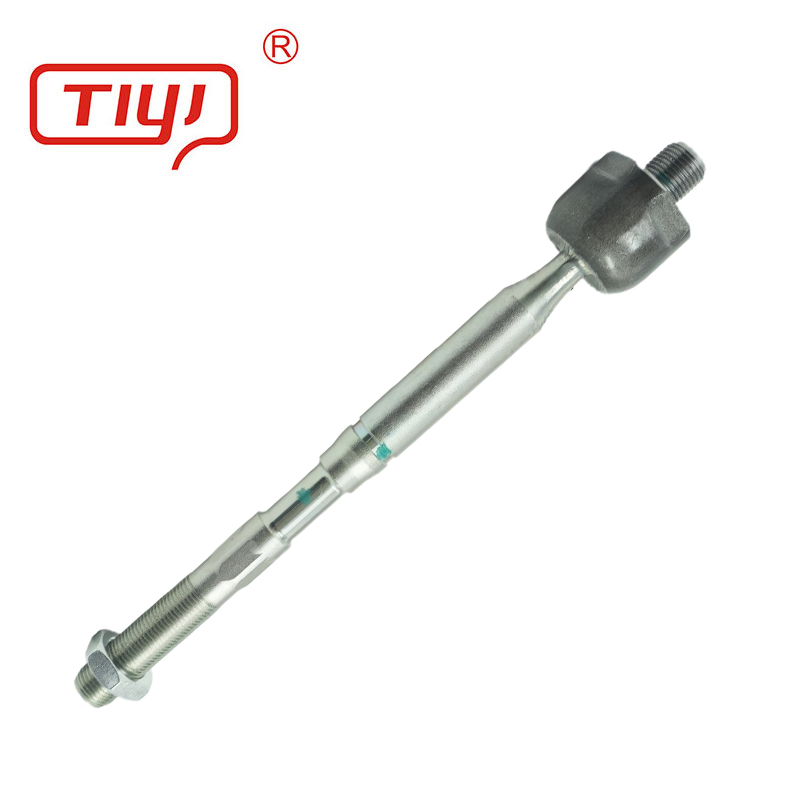
Ignoring a worn stabilizer link can lead to a cascading failure of suspension components. The loose movement puts added stress on the sway bar, end links, struts, and tie rod ends. What starts as a minor repair can become a costly multi-component replacement if left unaddressed.
Conclusion: Don't Ignore Stabilizer Link Wear
Your vehicle's stabilizer link plays a quiet but essential role in keeping you safe on the road. By listening for unusual noises, paying attention to changes in handling, and performing regular visual inspections, you can catch stabilizer link wear before it escalates into a more serious—and expensive—suspension problem.
Whether you choose to replace the link yourself or have a trusted mechanic do the work, addressing the issue promptly ensures your vehicle continues to handle predictably and safely. Always replace in pairs, choose quality parts designed for your specific vehicle, and schedule a suspension check at least once a year for peace of mind.
-



-
Quick Links
About Us Products Capabilities Support News & Events Contact Us -
Product Range
Rack End Tie Rod End Stabilizer Link Control Arm Ball Joint -
Address
No. 1471, Qingliu East Road, Chuzhou City, Anhui Province, China
