

 English
 中文简体
中文简体
 Español
 عربى
عربى

How Different Vehicle Types Affect Stabilizer Link Structure and Size
 Administrator
 2026-03-24
When selecting a Stabilizer Link for a vehicle, understanding how vehicle type impacts the link's structure and dimensions is crucial. Different cars, SUVs, trucks, and sports vehicles impose distinct requirements on the stabilizer link, affecting ride stability, handling, and longevity. This article explores these requirements in detail, comparing specifications across various vehicle categories.
Content
Understanding Stabilizer Links
The Stabilizer Link is an essential component of a vehicle's suspension system. It connects the sway bar (anti-roll bar) to the control arm or strut, reducing body roll during cornering and enhancing overall handling. The design and size of the link must match the vehicle's weight, suspension geometry, and driving dynamics.
Key Functions of Stabilizer Links
- Reduce Body Roll: Ensures stability during sharp turns or sudden maneuvers.
- Maintain Tire Contact: Enhances traction by keeping all tires firmly on the road.
- Improve Handling: Supports precise steering and reduces sway on uneven roads.
- Protect Suspension Components: Minimizes wear on control arms, struts, and bushings.
How Vehicle Type Influences Stabilizer Link Structure
The structure of a Stabilizer Link depends heavily on the vehicle's category. The main factors include load capacity, suspension travel, and intended driving conditions.
Passenger Cars
For most sedans and hatchbacks:
- Material: Typically steel or aluminum alloy for balanced strength and lightweight design.
- Design: Straight or slightly bent rod with rubber or polyurethane bushings.
- Load Handling: Designed for moderate vehicle weight and normal urban driving conditions.
- Durability: Adequate for 80,000–120,000 km under normal use.
SUVs and Crossovers
SUVs often operate on rougher terrain and carry heavier loads:
- Material: Reinforced steel or high-strength alloys to handle higher stress.
- Design: Longer and thicker rods to accommodate greater suspension travel.
- Bushings: Heavy-duty rubber or polyurethane to resist deformation and noise.
- Load Handling: Optimized for higher vehicle weight and off-road conditions.
Trucks and Pickup Vehicles
Trucks require Stabilizer Links that support heavy payloads:
- Material: Forged steel with corrosion-resistant coating.
- Design: Thick, robust, sometimes double-link structure for extreme load handling.
- Bushings: Heavy-duty polyurethane capable of enduring off-road vibrations.
- Load Handling: Designed for high axle loads and towing capacity.
Sports Cars
High-performance vehicles demand precision handling:
- Material: Lightweight aluminum or carbon-reinforced alloys for weight reduction.
- Design: Adjustable or custom-length links to fine-tune suspension geometry.
- Bushings: Polyurethane with minimal flex to enhance steering response.
- Load Handling: Optimized for dynamic cornering rather than heavy payloads.
Stabilizer Link Size Requirements by Vehicle Category
Size specifications vary to ensure proper alignment, suspension travel, and sway bar efficiency.
| Vehicle Type | Typical Length (mm) | Rod Diameter (mm) | Bushing Diameter (mm) | Load Handling |
|---|---|---|---|---|
| Passenger Cars | 120–250 | 10–16 | 20–25 | Moderate |
| SUVs / Crossovers | 200–350 | 14–20 | 25–35 | High |
| Trucks / Pickups | 300–500 | 18–28 | 30–40 | Very High |
| Sports Cars | 150–300 | 12–18 | 20–25 | Precision Handling |
Comparing Stabilizer Links Across Vehicle Types
Understanding differences helps in replacement, repair, and performance tuning:
- Material Strength: Trucks require the highest tensile strength, followed by SUVs, sports cars, and passenger cars.
- Suspension Travel: Longer travel demands longer and more robust links; SUVs and trucks exceed passenger cars in this regard.
- Flexibility vs Rigidity: Sports cars prioritize rigidity for precise handling, whereas SUVs balance flexibility for comfort and durability.
- Bushing Type: Heavy-duty polyurethane is used for rough terrain, while passenger cars use softer bushings for smooth ride comfort.
Installation Considerations
Proper installation ensures Stabilizer Link performance and longevity:
Alignment and Torque
- Torque Specs: Always follow manufacturer torque settings to prevent over-stressing the link.
- Alignment: Ensure links are parallel to control arms and do not bind during suspension travel.
Lubrication and Maintenance
- Lubrication: Grease fittings, if present, should be serviced regularly.
- Inspection: Check for wear, cracks, or bushing deformation at least every 20,000 km or during suspension service.
Frequently Asked Questions (FAQ)
Q1: Can a passenger car stabilizer link fit an SUV?
No, because Stabilizer Links for SUVs are longer, thicker, and stronger to accommodate higher loads and suspension travel.
Q2: How often should stabilizer links be replaced?
Replacement is recommended every 80,000–120,000 km for passenger cars, and sooner for SUVs or trucks operating in rough conditions.
Q3: Are adjustable stabilizer links necessary?
Adjustable links are useful for sports cars or modified vehicles to fine-tune suspension geometry and handling characteristics.
Q4: What signs indicate a worn stabilizer link?
- Excessive body roll during turns
- Clunking noises over bumps
- Uneven tire wear
- Loose steering feel
Conclusion
The structure and size of a Stabilizer Link must be carefully matched to the vehicle type to maintain optimal suspension performance. Passenger cars, SUVs, trucks, and sports cars each require specific link materials, dimensions, and bushing types to ensure ride comfort, handling, and durability. By understanding these differences, vehicle owners and technicians can make informed decisions for replacement, upgrades, or suspension tuning.
Related Products
-
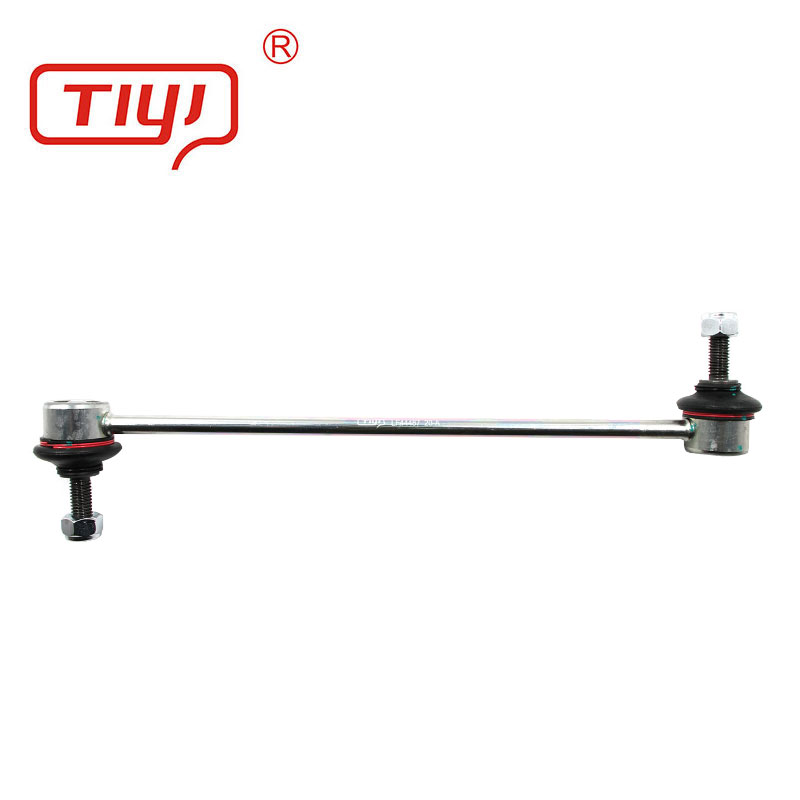
MAZDA 3(2006-2010)/FORD KUGA 13-/ LINCOLN MKC 2013-2017/VOLVO XC60 09-/FRONT LINKOEM: AV613B438BA
View More
-


-
Quick Links
About Us Products Capabilities Support News & Events Contact Us -
Product Range
Rack End Tie Rod End Stabilizer Link Control Arm Ball Joint -
Address
No. 1471, Qingliu East Road, Chuzhou City, Anhui Province, China
