

 English
 中文简体
中文简体
 Español
 عربى
عربى

What Does a Bad Ball Joint Sound Like?
 Administrator
 2026-04-02
The short answer: A bad ball joint most commonly produces a clunking, knocking, or squeaking noise from the front suspension, especially over bumps, during turns, or when braking. As the joint deteriorates further, you may also feel vibrations in the steering wheel or notice uneven tire wear. Ignoring these sounds is dangerous — a failed ball joint can cause sudden loss of steering control.
Ball joints are small but critical components that connect your vehicle's steering knuckles to the control arms, allowing the suspension to move freely while keeping the wheels firmly on the road. When these joints wear out, the first warning is almost always an unusual noise from your suspension. Understanding what a bad ball joint sound like — and knowing how to differentiate it from other suspension noises — can save you from a dangerous and costly breakdown.
Content
- The Most Common Bad Ball Joint Sounds
- Bad Ball Joint Sound vs. Other Suspension Noises
- What Causes Bad Ball Joint Sounds?
- Other Warning Signs of a Bad Ball Joint (Beyond Sound)
- How to Confirm a Bad Ball Joint: Diagnostic Steps
- Ball Joint Wear Stages: From Minor Noise to Critical Failure
- Ball Joint Replacement: What to Expect
- How to Extend Ball Joint Life and Prevent Bad Ball Joint Sounds
- Frequently Asked Questions
- Bottom Line
The Most Common Bad Ball Joint Sounds
Not all ball joint noises are identical. The sound you hear depends on how severely the joint has worn and under what conditions. Here are the most frequently reported bad ball joint noises:
1. Clunking or Knocking Noise
This is the most telltale bad ball joint sound. You'll typically hear a dull, repetitive clunk or knock coming from the front suspension area — particularly when you hit a pothole, drive over a speed bump, or turn your steering wheel. The sound is caused by the ball joint's worn socket allowing excess play, meaning the stud rattles inside its housing rather than moving smoothly.
2. Squeaking or Squealing Noise
In the early stages of wear, a ball joint may produce a high-pitched squeaking sound, especially during slow-speed maneuvers or parking lot turns. This happens when the joint's lubrication begins to break down, creating metal-on-metal friction. The squeaking may temporarily disappear in wet conditions or after rain, which can mislead drivers into thinking the problem has resolved itself.
3. Creaking Noise
A creaking sound — similar to an old wooden floor — can indicate a ball joint that is dry and stiff. This is common in older vehicles or those operating in harsh environments. The creak typically occurs during slow steering inputs or when the suspension flexes, such as when pulling in or out of a driveway.
4. Rattling at Low Speeds
As ball joint wear progresses significantly, you may notice a persistent rattling or vibrating noise even on relatively smooth roads. This indicates there is substantial looseness in the joint. At this stage, the ball joint is at serious risk of complete failure and requires immediate attention.
Bad Ball Joint Sound vs. Other Suspension Noises
One of the challenges in diagnosing bad ball joint noises is that many suspension components produce similar sounds. The table below compares the characteristics of a bad ball joint against other common culprits:
| Component | Typical Sound | When It Occurs | Location |
| Bad Ball Joint | Clunk, squeak, rattle | Bumps, turns, braking | Front corner of vehicle |
| Worn Sway Bar Link | Rattle, clunk | Bumps, weight transfer | Front or rear, side-to-side |
| Bad Strut/Shock | Thud, knocking | Large bumps, hard stops | Front or rear corner |
| Worn Control Arm Bushing | Creak, thud | Acceleration, braking, turns | Front, near wheel |
| Loose Lug Nuts | Rhythmic clunking | Driving, all conditions | Wheel area |
| Bad CV Axle/Joint | Clicking, popping | Turning, especially sharp turns | Front, inner/outer wheel |
Key difference: A bad ball joint clunk tends to be most pronounced over bumps and during steering inputs simultaneously, whereas sway bar link noises are more prominent during body roll and CV axle clicks are most notable during sharp, slow turns.
What Causes Bad Ball Joint Sounds?
Understanding why ball joints fail helps you take preventive action. The leading causes include:
- Normal wear and tear: Ball joints have a finite lifespan. Most last between 70,000 and 150,000 miles under normal conditions. The constant motion and load they endure gradually wears down the socket material.
- Loss of lubrication: Many modern ball joints are sealed and pre-lubricated from the factory. When the seal cracks or dries out, the grease escapes and metal-on-metal contact begins — producing squeaking and accelerating wear.
- Overloading the vehicle: Consistently exceeding your vehicle's rated payload capacity puts extreme stress on ball joints, dramatically shortening their lifespan.
- Rough road conditions: Frequent driving on gravel roads, potholes, or off-road terrain accelerates ball joint deterioration by subjecting joints to repeated impact loads.
- Contamination: Dirt, water, and road salt infiltrating a damaged ball joint boot accelerate corrosion and abrasive wear inside the socket.
- Improper alignment: When wheels are misaligned, ball joints bear uneven loads that cause accelerated, uneven wear patterns.
Other Warning Signs of a Bad Ball Joint (Beyond Sound)
The bad ball joint sound is usually the first symptom, but it's rarely the only one. Watch for these additional red flags:
Steering Wander
The vehicle pulls to one side or requires constant steering correction on straight roads, indicating the ball joint can no longer hold the wheel in proper alignment.
Steering Wheel Vibration
Vibrations felt in the steering wheel, particularly at highway speeds or during braking, often indicate significant ball joint looseness.
Uneven Tire Wear
A failing ball joint disrupts proper wheel alignment, causing tires to wear faster on one edge or in an irregular pattern.
Visible Play in Wheel
When the vehicle is safely raised on a jack stand, a severely worn ball joint allows noticeable movement when you grab the tire at the 6 and 12 o'clock positions and rock it.
How to Confirm a Bad Ball Joint: Diagnostic Steps
Step 1: The Road Test
Drive slowly over a speed bump or rough road surface. Listen carefully for a clunking noise from the front suspension. Then turn the steering wheel slowly from lock to lock while stationary. A bad ball joint squeak or creak during this maneuver points strongly to ball joint wear.
Step 2: The Jack Stand Inspection
Safely raise the front of the vehicle on jack stands — never rely on a floor jack alone. Grab the tire at the 12 o'clock and 6 o'clock positions and attempt to rock it in and out. Any perceptible movement (play) indicates a worn ball joint. Then grab the tire at the 3 and 9 o'clock positions to check for tie rod or steering rack play.
Step 3: Visual Inspection
With the vehicle raised, inspect the ball joint boot. A torn, cracked, or grease-covered boot means the seal has failed and contamination or lubricant loss has occurred — the joint should be replaced promptly even if no noise is yet present.
Step 4: Professional Measurement
A qualified mechanic can use a dial indicator to precisely measure ball joint play. Most manufacturers specify a maximum allowable play (often 0.050 inches or less). If play exceeds the specification, replacement is required regardless of noise level.
Ball Joint Wear Stages: From Minor Noise to Critical Failure
| Stage | Sound | Other Symptoms | Risk Level | Action |
| Early | Mild squeak on turns | None or minimal | Low | Schedule inspection soon |
| Moderate | Clunk over bumps | Slight steering wander, vibration | Medium | Replace within weeks |
| Severe | Loud constant clunking or rattle | Noticeable play, tire wear, poor control | High | Do not drive — replace immediately |
| Critical Failure | Sudden silence (joint has separated) | Wheel collapses, loss of steering | Catastrophic | Vehicle is undrivable |
Ball Joint Replacement: What to Expect
Once a bad ball joint has been confirmed, replacement is the only safe option. Re-lubricating a worn joint offers only temporary and partial relief. Here's what the replacement process involves:
Types of Ball Joints
- Bolt-in (serviceable) ball joints: These are bolted or screwed into the control arm and can be replaced individually, making them more economical.
- Press-in ball joints: These are pressed into the control arm using specialized tools. In some cases, the entire control arm assembly must be replaced along with the ball joint.
- Integrated control arm ball joints: Some vehicles have ball joints that are permanently integrated into the control arm, requiring complete control arm replacement.
Typical Repair Cost
Ball joint replacement costs vary based on vehicle type, number of joints replaced, and whether control arm replacement is required. A single ball joint replacement at a professional shop typically ranges from $150 to $350 per joint, including parts and labor. If the control arm must also be replaced, costs can rise to $400–$800 or more per side. Always replace ball joints in pairs (both sides of the axle) when significant wear is found, as they tend to wear at similar rates.
After Replacement: Wheel Alignment Is Essential
Always have a professional wheel alignment performed immediately after ball joint replacement. Changing the ball joint alters the suspension geometry, and driving on a misaligned suspension will quickly cause uneven tire wear and may reintroduce handling problems.
How to Extend Ball Joint Life and Prevent Bad Ball Joint Sounds
- Grease regularly if applicable: If your vehicle has grease-able ball joints (indicated by grease fittings/zerks), lubricate them every oil change or as specified in your owner's manual.
- Inspect boots regularly: Check ball joint boots during routine maintenance. Replace torn or cracked boots promptly before contamination damages the joint itself.
- Avoid excessive loads: Do not consistently overload your vehicle beyond its rated capacity.
- Maintain proper alignment: Keep tires properly aligned and inflated to distribute suspension loads evenly across all components.
- Drive cautiously on rough roads: Slow down for potholes and rough surfaces to reduce impact forces on ball joints and other suspension components.
- Schedule periodic suspension inspections: Have your suspension inspected by a qualified technician every 30,000–50,000 miles or whenever other steering/suspension work is being done.
Frequently Asked Questions
Bottom Line
A bad ball joint sound — whether it's a clunk, squeak, creak, or rattle — is your vehicle's early warning system telling you that a critical safety component is failing. Don't dismiss these noises or assume they will resolve on their own. Have the suspension inspected promptly, and if a worn ball joint is confirmed, replace it without delay. Your safety, your passengers' safety, and the safety of everyone else on the road depend on your suspension being in proper working order.
Related Products
-
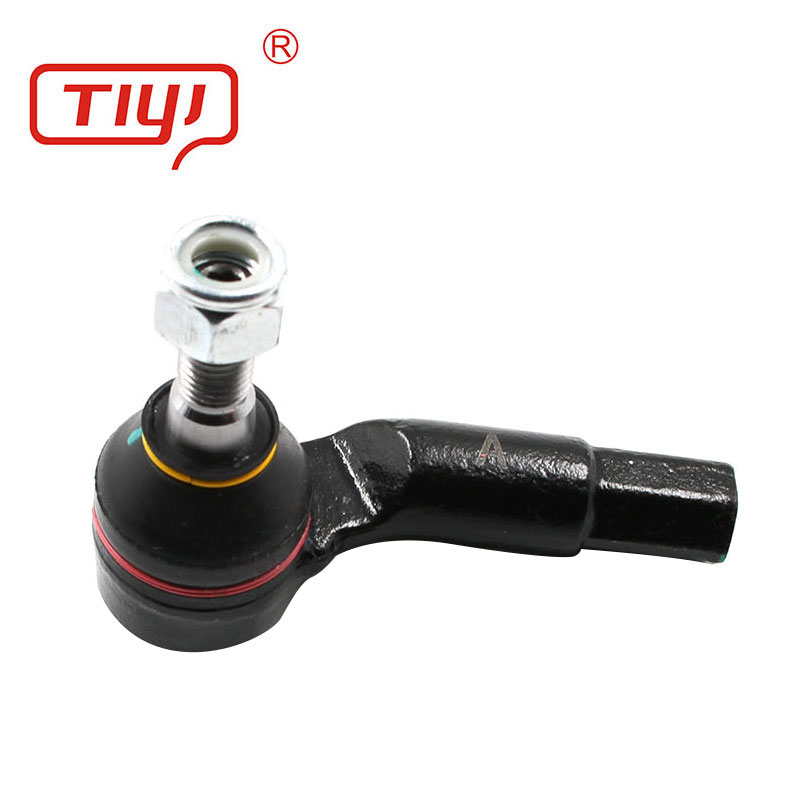
VW Lavida A4 2008-/Tie Rod End/OEM:1J0422811B
View More -
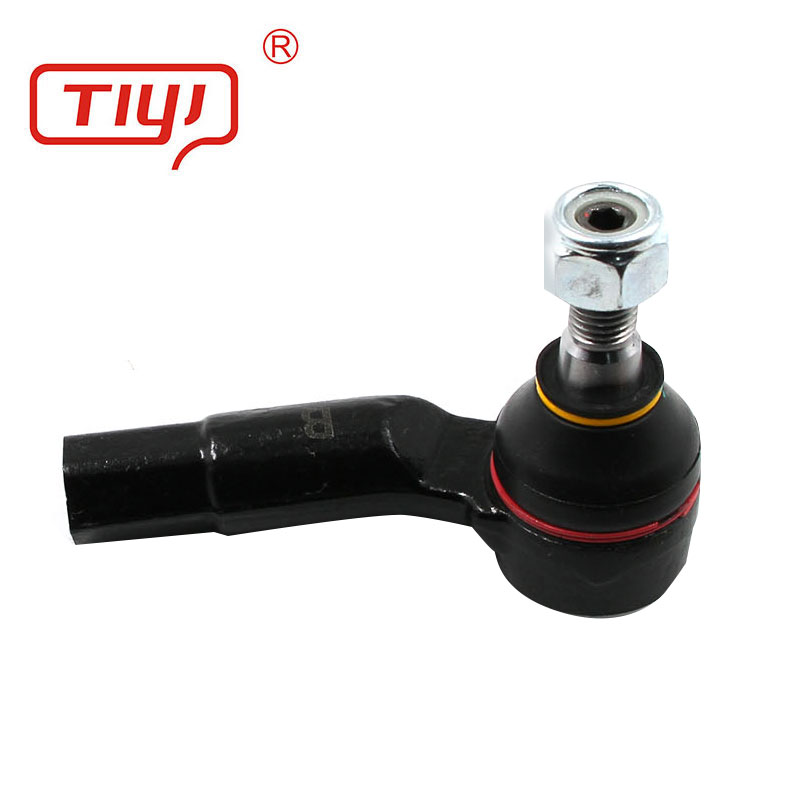
VW Lavida A4 2008-/Tie Rod End/OEM:1J0422812B
View More -
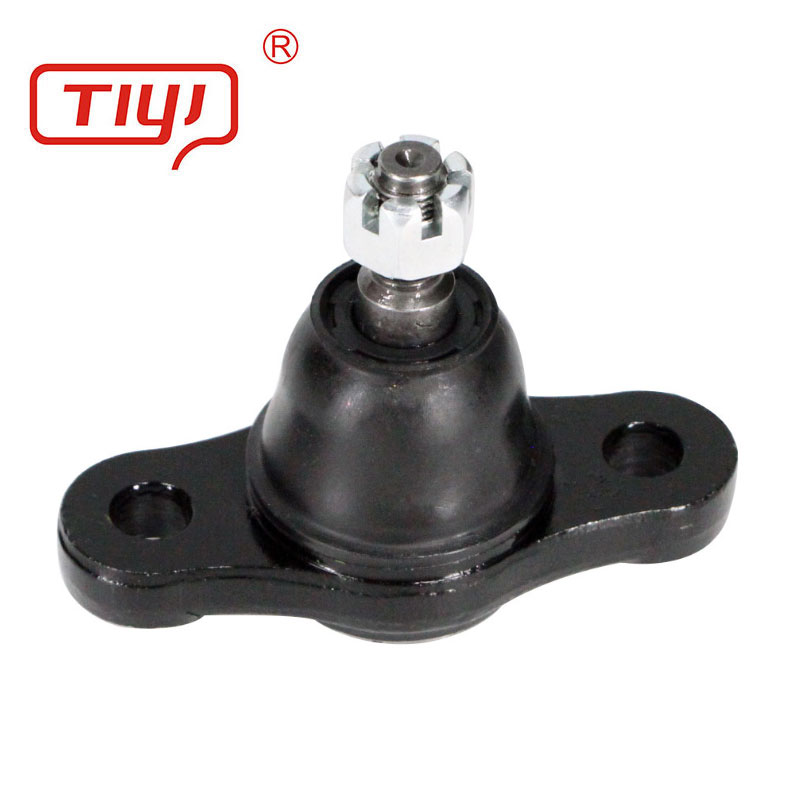
Hyundai Elantra 2000-2007/BALL JOINT/OEM:51760-0Q000
View More -
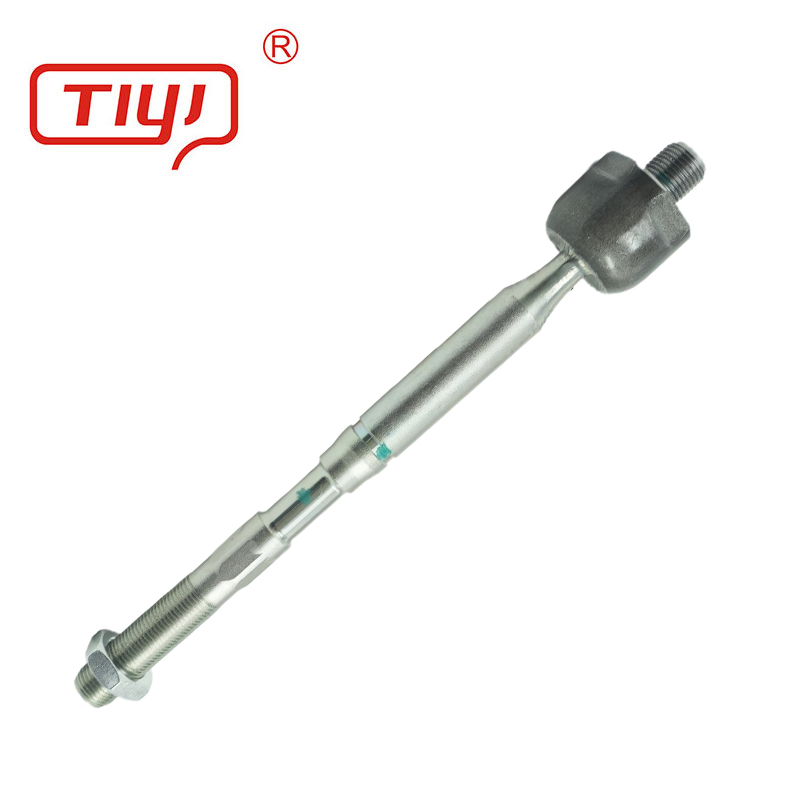
TOYOTA Rongfang 4th 3rd generation 2005-2013/Rack End/OEM: 45503-42030
View More -
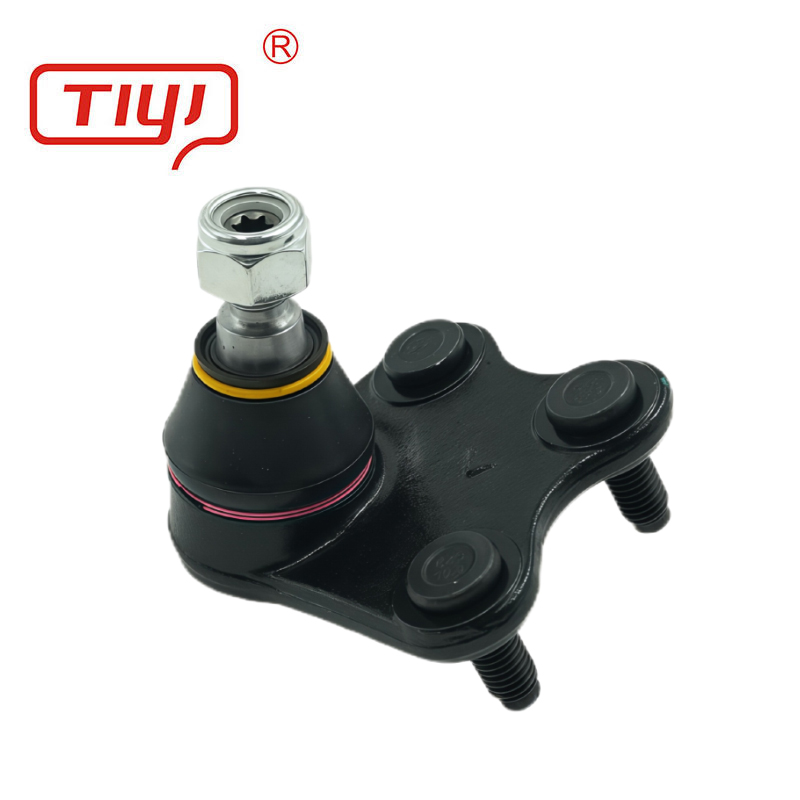
VW NEW JETTA/NEW SANTANA 2013-/BALL JOINT/OEM:6RD407365
View More -
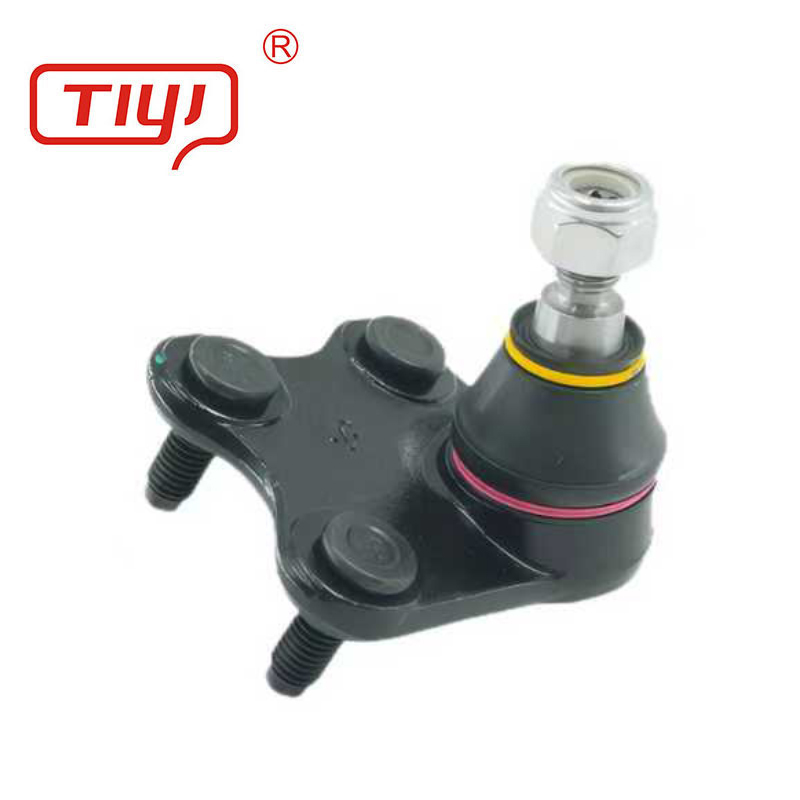
VW NEW JETTA/NEW SANTANA 2013-/BALL JOINT/OEM:6RD407366
View More
-



-
Quick Links
About Us Products Capabilities Support News & Events Contact Us -
Product Range
Rack End Tie Rod End Stabilizer Link Control Arm Ball Joint -
Address
No. 1471, Qingliu East Road, Chuzhou City, Anhui Province, China
