

 English
 中文简体
中文简体
 Español
 عربى
عربى


Quick Answer:
A front tie rod is a critical steering component connecting your steering rack to the front wheels, enabling precise directional control. Warning signs of failure include steering wheel vibration, uneven tire wear, clunking noises during turns, and excessive play in the steering wheel. Replacement costs typically range from $200 to $1,000 depending on vehicle type and labor requirements. Immediate replacement is essential for safety.
Content
- What Exactly Is a Front Tie Rod and Why Does It Matter?
- Critical Warning Signs: When Your Front Tie Rod Demands Immediate Attention
- Front Tie Rod Replacement Cost Analysis
- Inner vs. Outer Front Tie Rod: Detailed Comparison for Informed Maintenance
- Professional Maintenance Protocols for Front Tie Rod Longevity
- Frequently Asked Questions About Front Tie Rod Maintenance
- How long do front tie rods typically last?
- Is it safe to drive with a worn front tie rod?
- Must wheel alignment be performed after tie rod replacement?
- Should I replace both inner and outer tie rods simultaneously?
- What causes premature front tie rod failure?
- Can I replace a front tie rod myself?
- How can I distinguish tie rod problems from wheel bearing issues?
- Conclusion: Prioritizing Front Tie Rod Health for Vehicle Safety
What Exactly Is a Front Tie Rod and Why Does It Matter?
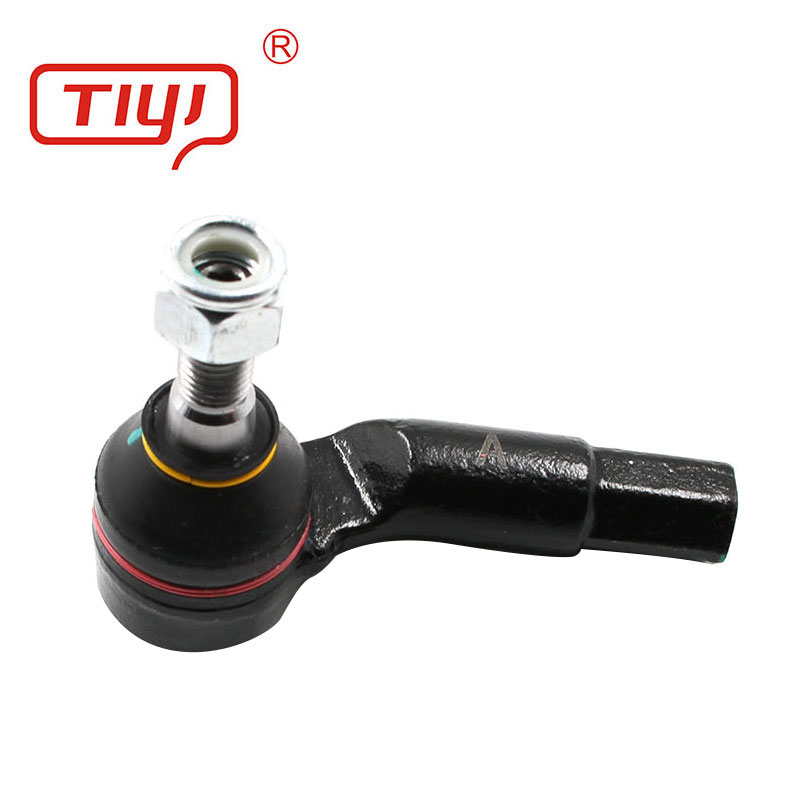
The front tie rod serves as the critical mechanical link between your vehicle's steering system and the front wheels. This slender yet robust steel component translates every subtle movement of your steering wheel into precise wheel articulation, making it one of the most vital safety components in your automobile's steering assembly.
Every time you navigate a corner, change lanes, or perform a parking maneuver, your front tie rod is actively engaged, transmitting steering force from the steering rack directly to the steering knuckle. Without properly functioning tie rods, directional control becomes impossible, creating an immediate and severe safety hazard.
Anatomy of a Front Tie Rod Assembly
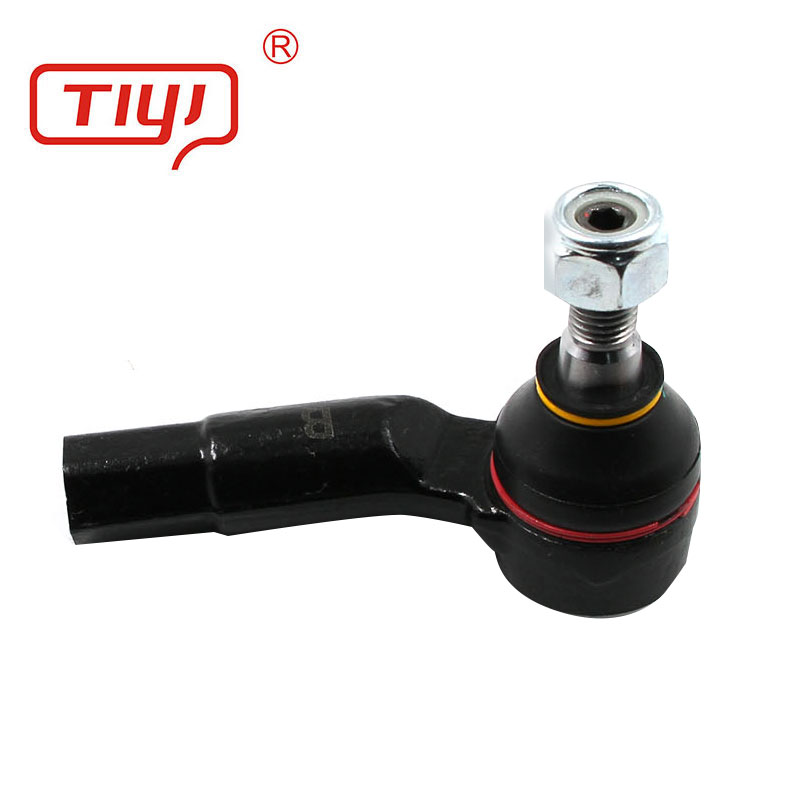
A complete front tie rod assembly consists of two primary components working in harmony: the inner tie rod and the outer tie rod end. Understanding the distinction between these components is crucial for proper diagnosis and maintenance.
| Component | Location & Function | Common Issues |
|---|---|---|
| Inner Tie Rod | Connects directly to the steering rack; features an inline ball joint that translates rotational steering input into linear motion | Protected by rubber boots that can crack, allowing grease leakage and contamination ingress |
| Outer Tie Rod End | Connects inner rod to the steering knuckle; serves as the adjustable pivot point for wheel alignment (toe adjustment) | More exposed to road debris and environmental factors; experiences higher wear rates than inner components |
The outer tie rod end typically fails before the inner component due to its exposed position and constant articulation during steering maneuvers. However, both components require simultaneous inspection and often simultaneous replacement to ensure balanced steering performance.
Critical Warning Signs: When Your Front Tie Rod Demands Immediate Attention
Recognizing early symptoms of front tie rod deterioration can prevent catastrophic steering failure and potential accidents. Industry experts emphasize that proactive maintenance based on these warning signs is far more cost-effective than emergency repairs.
1. Steering Wheel Vibration and Looseness
One of the earliest indicators of front tie rod wear manifests as perceptible vibration or shaking in the steering wheel, particularly noticeable at highway speeds. As the tie rod end develops play in its ball joint, the connection between steering input and wheel response becomes imprecise, creating a loose or "wandering" sensation in the steering wheel.
This excessive play—often described as "slop" in the steering—means the steering wheel must be turned several degrees before the wheels actually respond. This delayed reaction significantly compromises vehicle control, especially during emergency maneuvers.
2. Uneven and Premature Tire Wear
Worn front tie rods directly impact wheel alignment, causing tires to tilt inward or outward at incorrect angles. This misalignment produces characteristic wear patterns: excessive wear on the inner or outer tire edges while the center tread remains relatively unworn.
Inspection Tip: Regularly examine your front tires for "feathering" or "cupping" patterns—irregular wear where tread blocks appear worn at angles. This condition often indicates tie rod issues requiring immediate professional evaluation.
3. Audible Clunking and Knocking Sounds
As front tie rod joints deteriorate, they develop excessive clearance that produces distinct clunking, popping, or knocking noises—particularly audible during low-speed turns or when traversing uneven road surfaces. These sounds result from the metal components moving within their housings beyond designed tolerances.
In advanced stages of wear, damaged rubber boots allow road grime and moisture to infiltrate the joint, creating grinding noises as contaminated grease fails to lubricate the ball joint properly.
4. Vehicle Pulling and Alignment Instability
A compromised front tie rod prevents wheels from maintaining consistent alignment angles. Drivers may notice the vehicle drifting to one side despite holding the steering wheel straight, or the steering may feel "heavy" and unresponsive in one direction while loose in the other.
Notably, vehicles with worn tie rods often cannot maintain alignment settings for more than a few weeks after professional alignment service, as the loose components continuously shift position.
Front Tie Rod Replacement Cost Analysis
Understanding the financial implications of front tie rod replacement helps vehicle owners budget appropriately and avoid surprise expenses. Costs vary significantly based on vehicle specifications, component quality, and regional labor rates.
| Service Type | Parts Cost | Labor Cost | Total Estimate |
|---|---|---|---|
| Single Outer Tie Rod End | $20 - $100 | $67 - $143 | $100 - $300 |
| Single Inner Tie Rod | $45 - $165 | $100 - $250 | $150 - $400 |
| Complete Assembly (One Side) | $80 - $300 | $150 - $300 | $250 - $600 |
| Both Sides (Recommended) | $160 - $600 | $200 - $400 | $400 - $1,000 |
| Wheel Alignment (Required) | - | $80 - $150 | Add $80 - $150 |
Factors Influencing Front Tie Rod Replacement Costs
- Vehicle Classification: Economy sedans typically incur lower costs ($150-$300), while luxury European vehicles and heavy-duty trucks may range from $400-$1,200 due to specialized parts and complex suspension geometries.
- Component Quality: Original Equipment Manufacturer (OEM) parts command premium prices but offer guaranteed fit and longevity, whereas aftermarket alternatives provide cost savings ranging from 30-50%.
- Labor Complexity: Inner tie rod replacement requires steering rack access, significantly increasing labor time compared to outer tie rod end service.
- Regional Variations: Metropolitan areas with higher cost of living typically see labor rates of $120-$200 per hour at dealerships, compared to $75-$120 at independent shops.
Cost-Saving Recommendation: Industry experts strongly advise replacing tie rods in pairs (both left and right sides simultaneously) to ensure balanced wear characteristics and avoid duplicate labor charges for future repairs.
Inner vs. Outer Front Tie Rod: Detailed Comparison for Informed Maintenance
While both components comprise the front tie rod assembly, their distinct locations, functions, and failure modes necessitate different diagnostic approaches and replacement procedures.
| Comparison Factor | Inner Tie Rod | Outer Tie Rod End |
|---|---|---|
| Physical Location | Mounted directly to steering rack, enclosed within protective rubber bellows boot | External mounting connecting inner rod to steering knuckle, fully exposed to elements |
| Primary Function | Translates rotational steering rack movement into linear push/pull motion | Provides adjustable connection for wheel pivot and toe alignment adjustment |
| Typical Lifespan | 70,000 - 100,000+ miles; protected environment extends durability | 50,000 - 80,000 miles; higher wear due to exposure and articulation |
| Failure Indicators | Steering rack fluid leaks, torn rubber boots, vague steering feel | Visible ball joint play, rust, damaged threads, audible knocking |
| Replacement Complexity | High; requires steering rack access, specialized tools, precise torque specifications | Moderate; accessible with basic hand tools, cotter pin replacement required |
| Adjustability | Fixed length; no adjustment capability | Threaded connection allows precise toe angle adjustment during alignment |
The outer tie rod end's threaded design serves a critical alignment function—technicians rotate the shaft within the inner tie rod housing to adjust the distance between steering components, thereby setting the wheel's toe angle. This adjustability makes outer tie rod ends crucial for maintaining proper tire contact with the road surface.
Professional Maintenance Protocols for Front Tie Rod Longevity
Proactive maintenance significantly extends front tie rod service life and prevents unexpected failures. Industry professionals recommend incorporating tie rod inspection into routine service intervals.
Recommended Inspection Schedule
- Visual Inspection: Every 6 months or 6,000 miles—examine rubber boots for cracks, tears, or grease leakage.
- Physical Check: During every tire rotation (typically every 5,000-7,500 miles)—test for play by shaking wheels at 3 and 9 o'clock positions.
- Professional Evaluation: Annually or when alignment issues arise—comprehensive inspection by certified technicians.
DIY Inspection Procedure
Vehicle owners can perform basic front tie rod assessments using simple techniques:
- Securely raise the vehicle using jack stands—never rely solely on hydraulic jacks.
- Grasp the front tire at 3 and 9 o'clock positions.
- Apply alternating push-pull pressure while observing for lateral movement.
- Any perceptible play indicates potential tie rod end wear requiring professional confirmation.
- Visually trace the tie rod assembly from steering rack to knuckle, noting fluid leaks or physical damage.
Safety Warning: Never continue driving with confirmed tie rod damage. Complete tie rod separation results in immediate loss of steering control for the affected wheel, creating extreme accident risk. Tow the vehicle to a repair facility if symptoms are present.
Frequently Asked Questions About Front Tie Rod Maintenance
How long do front tie rods typically last?
Under normal driving conditions, front tie rods should last between 70,000 and 100,000 miles. However, vehicles frequently driven on poorly maintained roads, subjected to pothole impacts, or operated in harsh climates may experience premature wear requiring replacement as early as 50,000 miles.
Is it safe to drive with a worn front tie rod?
Absolutely not. Driving with compromised tie rods presents severe safety risks including unpredictable steering response, sudden component failure, and potential complete loss of directional control. Industry safety organizations strongly recommend immediate cessation of vehicle operation until repairs are completed.
Must wheel alignment be performed after tie rod replacement?
Yes, wheel alignment is mandatory following any front tie rod service. The replacement process inherently alters toe settings, and driving without proper alignment causes rapid tire wear and compromised handling. Alignment costs ($80-$150) should be factored into total repair budgets.
Should I replace both inner and outer tie rods simultaneously?
While not strictly mandatory, replacing both components on the same axle is highly recommended. When one front tie rod shows significant wear, its counterpart typically exhibits similar degradation. Simultaneous replacement ensures balanced steering response and eliminates duplicate labor costs for future repairs.
What causes premature front tie rod failure?
Primary causes include: impact damage from potholes or curbs, torn protective boots allowing contamination, lack of lubrication maintenance (on serviceable joints), and exposure to road salt in winter climates. Aggressive driving styles featuring rapid steering inputs also accelerate wear.
Can I replace a front tie rod myself?
Experienced DIY mechanics can replace outer tie rod ends with basic tools including wrenches, torques wrenches, and cotter pins. However, inner tie rod replacement requires specialized tools and steering rack access, making professional installation advisable for most vehicle owners. Critical safety components demand precise torque specifications.
How can I distinguish tie rod problems from wheel bearing issues?
Front tie rod wear typically manifests as steering wheel play and knocking sounds during turns, while wheel bearing failure produces constant grinding or humming noises that increase with vehicle speed regardless of steering input. Additionally, wheel bearing issues often generate heat around the wheel hub, whereas tie rod problems do not.
Conclusion: Prioritizing Front Tie Rod Health for Vehicle Safety
The front tie rod represents a small but absolutely critical component within your vehicle's steering architecture. Its proper function directly translates to your ability to safely navigate roads, avoid obstacles, and maintain control during emergency maneuvers.
By understanding the warning signs of deterioration—steering wheel vibration, uneven tire wear, clunking noises, and alignment instability—you position yourself to address issues proactively before they escalate into dangerous failures. The investment in timely replacement, typically ranging from $200 to $600 for comprehensive service, pales in comparison to the safety risks and potential collision costs of neglected maintenance.
Remember that front tie rod maintenance is not merely about component replacement—it's about preserving the precise mechanical relationship between your steering intentions and your vehicle's directional response. Regular inspections, prompt attention to symptoms, and professional installation ensure that every journey remains safe, controlled, and predictable.
If you suspect front tie rod issues, schedule a professional inspection immediately. Your steering system's integrity—and your safety—depends on it.