

 English
 中文简体
中文简体
 Español
 عربى
عربى


Bad lower control arm symptoms include clunking or knocking noises from the front suspension, uneven or rapid tire wear, steering wheel vibration, pulling to one side, and unstable handling during braking or cornering. These signs indicate that the lower control arm itself, its ball joint, or its bushings have worn beyond safe limits — and continuing to drive with a bad lower control arm is a genuine safety risk. A failed lower control arm ball joint can cause sudden loss of wheel control at speed, which is among the most dangerous mechanical failures a vehicle can experience. This guide explains every symptom in detail, what causes them, how to confirm the diagnosis, and what replacement costs to expect.
Content
- What Does a Lower Control Arm Do?
- What Are the 8 Most Common Bad Lower Control Arm Symptoms?
- How to Distinguish Bad Lower Control Arm Symptoms from Other Suspension Problems
- How to Diagnose a Bad Lower Control Arm at Home and at the Shop
- What Causes a Lower Control Arm to Go Bad?
- How Urgent Is Each Bad Lower Control Arm Symptom? A Safety Severity Guide
- What Does Lower Control Arm Replacement Cost?
- How Long Can You Drive with Bad Lower Control Arm Symptoms?
- Frequently Asked Questions: Bad Lower Control Arm Symptoms
- Q: Can bad lower control arm symptoms cause a car to fail an inspection?
- Q: Do I need to replace both lower control arms at the same time?
- Q: Will a wheel alignment fix bad lower control arm symptoms?
- Q: How long do replacement lower control arms last?
- Q: Can I drive on the highway with bad lower control arm symptoms?
- Conclusion: Act on Bad Lower Control Arm Symptoms Early
What Does a Lower Control Arm Do?
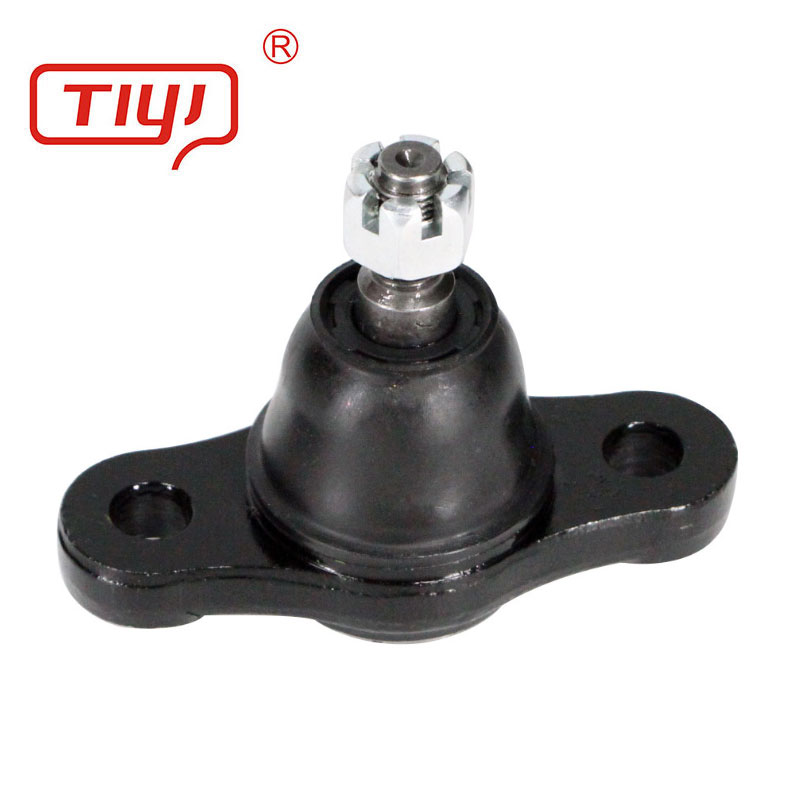
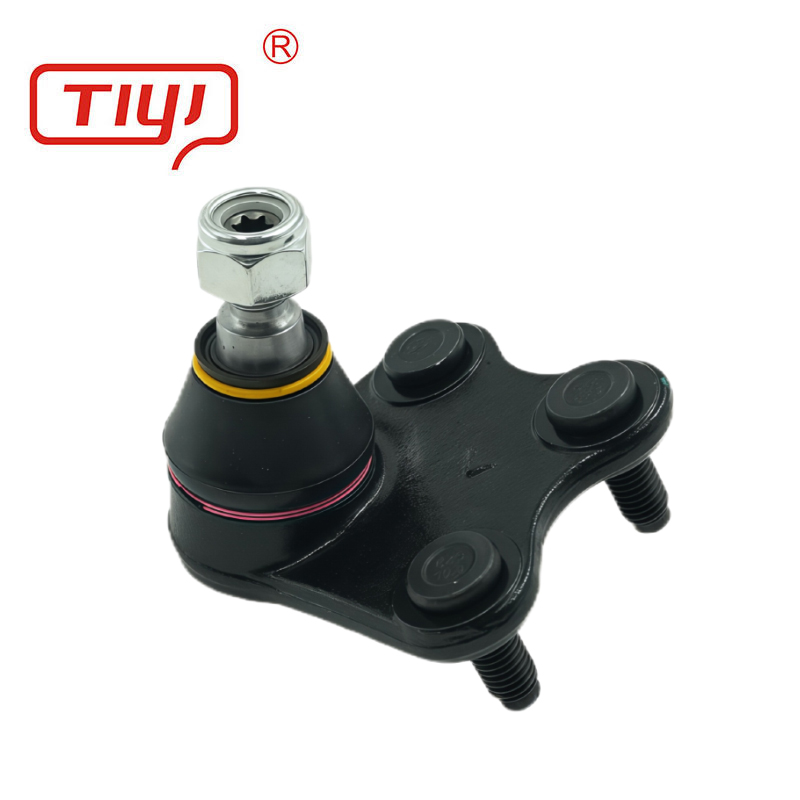
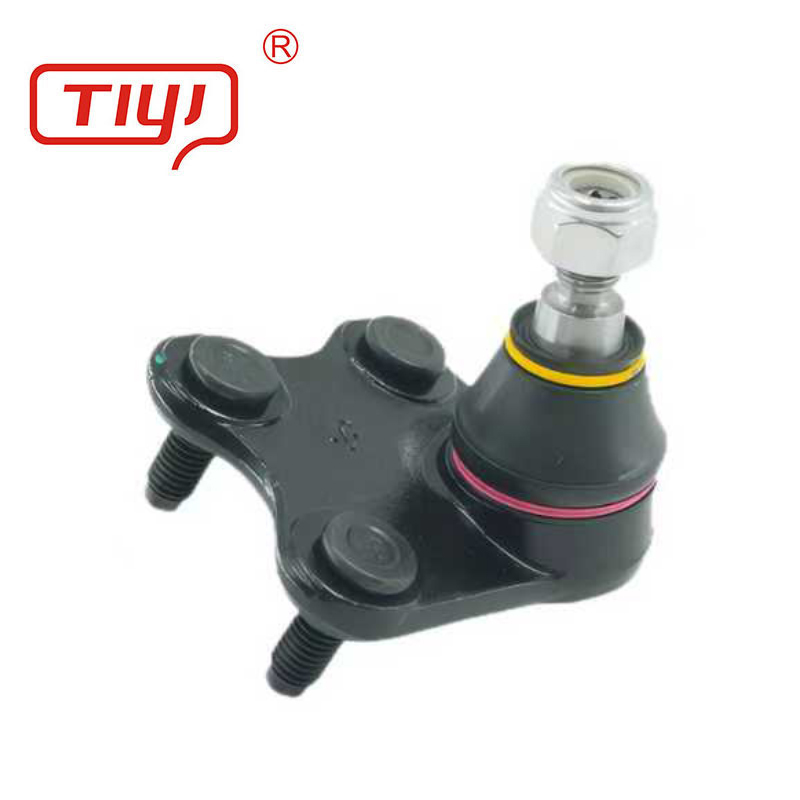
The lower control arm is the primary structural link between the vehicle's front subframe and the steering knuckle, allowing the wheel to move vertically over road irregularities while maintaining precise lateral and longitudinal positioning. Every front-wheel movement — from hitting a pothole to turning the steering wheel — passes through the lower control arm. It connects to the subframe via one or two rubber or polyurethane bushings and to the steering knuckle via a ball joint, which allows multi-axis rotation.
Without a functioning lower control arm, the wheel cannot be held in its correct geometry. Camber, caster, and toe angles — all of which are set to within fractions of a degree during wheel alignment — are maintained by the integrity of the control arm and its mounting points. When any component in this assembly wears or fails, geometry errors cascade into handling problems, tire wear, and eventually loss of directional control.
Most passenger vehicles use a single lower control arm per front corner in a MacPherson strut or double-wishbone suspension layout. Some trucks and SUVs use a short-long arm (SLA) configuration with both upper and lower control arms. The lower arm typically carries more load and wears faster than the upper arm, making bad lower control arm symptoms more commonly encountered in routine maintenance.
What Are the 8 Most Common Bad Lower Control Arm Symptoms?
The eight most recognizable bad lower control arm symptoms are: clunking noises, steering wheel vibration, vehicle pulling to one side, uneven tire wear, poor handling stability, brake shudder, excessive looseness in the steering, and visible physical damage to the arm or bushings. Most drivers first notice one or two of these symptoms before others develop — early action prevents costlier damage and reduces risk.
1. Clunking, Knocking, or Banging Noises
A clunking or knocking sound from the front suspension — especially over speed bumps, potholes, or during low-speed turning — is the single most reported bad lower control arm symptom. The noise originates from worn or collapsed bushings that allow the control arm to knock against the subframe under load, or from a worn ball joint with excessive play rattling inside its socket. The sound is typically louder when the vehicle hits an obstacle at an angle and may be accompanied by a physical jolt felt through the floor or steering wheel. Drivers often describe it as a "thud" or "clunk" that was not present when the vehicle was new.
To distinguish lower control arm noise from other suspension noises: lower control arm bushing noise is usually heard at low speed over rough surfaces and tends to be a dull thud; ball joint noise is often a sharper knock or click. Sway bar end link noise — a common misdiagnosis — is usually heard on one side only when the vehicle leans during cornering.
2. Steering Wheel Vibration
Vibration felt through the steering wheel — particularly at highway speeds between 55 and 75 mph — is a classic bad lower control arm symptom caused by worn bushings allowing the control arm to oscillate under dynamic loads. Unlike wheel-balance vibration (which typically begins at a specific speed and diminishes above it), control arm bushing vibration tends to worsen progressively with speed and road roughness. In severe cases, the vibration is present at all speeds and can make the vehicle feel unsafe on the highway.
3. Vehicle Pulling to One Side
If the vehicle consistently drifts or pulls to the left or right without steering input, a worn lower control arm bushing is a primary suspect, as it allows the wheel's toe and camber angles to shift from their alignment specifications. Pulling caused by a bad lower control arm is typically constant and worsens during acceleration or braking. Unlike brake-related pulling (which only occurs during braking), control arm pulling is present whenever the vehicle is moving. A vehicle that required realignment recently and is pulling again within a short period often has an underlying worn bushing that negates the alignment.
4. Uneven or Accelerated Tire Wear
Uneven tire wear — particularly inner-edge wear or a feathering pattern across the tread — directly indicates that wheel geometry has shifted as a result of a bad lower control arm. When a worn bushing allows the control arm to move, camber changes cause the tire to lean inward, loading the inner edge excessively. Toe changes cause a scuffing or feathering pattern. In documented cases, vehicles with severely worn lower control arm bushings have consumed front tires in as few as 8,000–12,000 miles — roughly one-quarter of the expected tire service life. Uneven wear is both a symptom and an amplifier: it further degrades handling as the tire loses its designed contact patch shape.
5. Unstable or Wandering Handling
A vehicle that feels vague, wandering, or difficult to hold in a straight line at highway speed is exhibiting one of the more advanced bad lower control arm symptoms, typically indicating significant bushing degradation or ball joint wear. Drivers often describe the feeling as "the car is driving me rather than the other way around." The vehicle requires constant small steering corrections to maintain lane position. This symptom is especially dangerous on motorways and in emergency lane-change situations, where precise vehicle response is critical.
6. Brake Shudder or Nose Dive
Shuddering or juddering felt through the brake pedal and steering wheel during medium to hard braking often points to worn lower control arm bushings allowing fore-aft movement of the front wheel under deceleration loads. Under braking, the front of the vehicle dives forward, compressing the front suspension and loading the control arm longitudinally. Worn bushings deflect under this load, allowing the wheel to shift backward and then spring forward — creating a pulsing sensation that is frequently misdiagnosed as warped brake rotors. If rotor replacement does not resolve brake shudder, worn lower control arm bushings should be the next investigation.
7. Excessive Steering Play or Looseness
A ball joint worn beyond its service limit introduces detectable play into the steering system, felt as a looseness or delayed response when the steering wheel is moved. A new ball joint typically has zero measurable axial play and less than 0.020 inches of radial play. A worn ball joint may exhibit 0.10–0.25 inches or more of total play — enough to create a noticeable dead zone in the steering. Checking for ball joint wear requires lifting the vehicle and physically checking for movement in the joint, as described in the diagnosis section below.
8. Visible Damage, Cracking, or Separation
A visual inspection beneath the vehicle may reveal cracked, torn, or completely separated control arm bushings, a bent or cracked control arm, or a ball joint boot that is split and contaminated with grit — all of which confirm a bad lower control arm condition requiring immediate service. Rubber bushings naturally age and crack over time, even without unusual loading. A bushing that has cracked through its outer rubber layer has lost its ability to dampen vibration and will quickly deteriorate further. Split ball joint boots allow water and road grit to enter the joint, accelerating wear dramatically — from tens of thousands of miles of service life to as little as a few thousand miles.
How to Distinguish Bad Lower Control Arm Symptoms from Other Suspension Problems
Many bad lower control arm symptoms overlap with those of other worn suspension components, making precise diagnosis essential before parts are replaced. The table below compares the most commonly confused conditions.
| Symptom | Bad Lower Control Arm | Worn Strut / Shock | Worn Tie Rod | Warped Brake Rotor |
| Clunking over bumps | Yes — dull thud | Yes — metallic knock | Rarely | No |
| Steering vibration | Yes — all speeds | Sometimes | Yes — high speed | During braking only |
| Vehicle pulling | Yes — constant | Rarely | Sometimes | During braking only |
| Uneven tire wear | Yes — inner edge / feathering | Yes — cupping | Yes — feathering | No |
| Brake shudder | Yes — bushing flex | No | No | Yes — rotor warping |
| Steering play / looseness | Yes — ball joint wear | No | Yes — significant | No |
| Body roll / soft handling | Sometimes — advanced wear | Yes — primary symptom | No | No |
Table 1: Symptom comparison between bad lower control arm, worn struts, worn tie rods, and warped brake rotors to aid accurate diagnosis.
How to Diagnose a Bad Lower Control Arm at Home and at the Shop
A bad lower control arm can be diagnosed through a combination of a road test, a visual inspection, and a physical shake test with the vehicle safely raised on jack stands — no specialist diagnostic equipment is required for a basic assessment.
Step 1 — Road Test
Drive the vehicle over a series of speed bumps at low speed and note any knocking or clunking from the front suspension. Then drive at highway speed and note any vibration or pulling. Have a passenger listen from the rear seat to help locate which side the noise comes from. Noises that appear over bumps and disappear on smooth roads strongly suggest control arm bushings rather than wheel balance or tire issues.
Step 2 — Visual Inspection
With the vehicle on a flat surface, look through the wheel spokes or beneath the vehicle at the lower control arm bushings and ball joint boot. Cracked, torn, or missing rubber on the bushing outer sleeve is definitive evidence of bushing failure. A ball joint boot that is split, missing, or contaminated with grease thrown outward indicates the joint has lost its sealing and is likely worn. Look also for cracks in the control arm itself — particularly near the ball joint mount on vehicles with high mileage or a history of pothole impacts.
Step 3 — The Shake Test (Vehicle Raised)
Raise the front of the vehicle safely on jack stands under the subframe (not the control arm), grip the tire at 9 o'clock and 3 o'clock positions, and attempt to shake it laterally — any detectable movement indicates a worn ball joint or tie rod end. Then grip the tire at 12 o'clock and 6 o'clock and attempt to rock it vertically — movement here (with the strut intact) suggests a worn lower ball joint. For bushings, attempt to pry the control arm fore and aft with a pry bar while watching the bushing — any visible deflection of more than approximately 3–4 mm indicates a bushing that has lost its compliance.
Professional Diagnosis
A professional technician will supplement the above tests with a wheel alignment printout showing camber and toe values that are out of specification despite recent alignment — a reliable indicator of worn bushings that prevent alignment from holding. Some shops use an alignment lift with side-slip sensors to detect dynamic toe changes as the vehicle moves, which reveals bushing wear that static inspection may miss. For ball joint assessment, a dial indicator measuring axial and radial movement against manufacturer specifications provides a definitive pass or fail result.
What Causes a Lower Control Arm to Go Bad?
The most common causes of bad lower control arm symptoms are normal age and mileage wear of rubber bushings, ball joint wear from accumulated loading cycles, impact damage from potholes or road debris, and accelerated deterioration caused by corrosion in cold-climate regions where road salt is used.
- Age and Mileage: Rubber bushings have a typical service life of 80,000–150,000 miles under normal conditions. Vehicles operated in hot climates may see bushing degradation begin earlier, as heat accelerates rubber oxidation. Most vehicles that develop bad lower control arm symptoms are over 7 years old or have exceeded 100,000 miles.
- Ball Joint Wear Cycles: A lower ball joint endures millions of load cycles over its service life. Each wheel rotation, steering input, and suspension articulation generates movement through the joint. Joints with grease fittings can be maintained with periodic lubrication; sealed joints are pre-packed for life and cannot be serviced.
- Pothole and Impact Damage: A single severe impact — hitting a deep pothole at speed or striking a curb — can bend the control arm, fracture a bushing, or damage the ball joint beyond its ability to seat correctly. Vehicles in urban environments with poorly maintained roads are at higher risk of impact-related lower control arm damage.
- Road Salt Corrosion: In northern states, Canada, and other regions where roads are salted in winter, the metal shell of the bushing and the ball joint housing corrode from the outside. Corrosion that penetrates the bushing interface locks the bushing rigidly, eliminating its damping function and transferring all vibration directly to the chassis — dramatically increasing perceived noise and vibration symptoms.
- Contaminated Ball Joint: A torn ball joint boot allows water and abrasive road grit into the joint socket. Grit acts as a lapping compound, wearing the ball's spherical surface and its socket within a few thousand miles. This accelerated wear path can take a joint from good to failed in one winter season.
How Urgent Is Each Bad Lower Control Arm Symptom? A Safety Severity Guide
Not all bad lower control arm symptoms carry the same urgency — bushing noise is an inconvenience, while a worn ball joint approaching failure is an emergency that demands immediate repair.
| Symptom | Root Cause | Safety Risk | Urgency |
| Clunking / knocking | Worn bushings or ball joint | Moderate — worsens over time | Repair within 2–4 weeks |
| Steering vibration | Worn bushings | Moderate | Repair within 2–4 weeks |
| Vehicle pulling | Bushing wear — geometry shift | Moderate to high | Repair within 1–2 weeks |
| Uneven tire wear | Geometry error from bushing wear | Low (but costly if ignored) | Repair within 4 weeks |
| Wandering / vague handling | Advanced bushing or ball joint wear | High | Repair within days |
| Excessive steering play | Ball joint near failure | Very high | Do not drive — repair immediately |
| Visible cracked bushing / split boot | Physical component failure | High — rapid further wear | Repair within 1 week |
Table 2: Safety urgency rating for each bad lower control arm symptom, with recommended repair timelines.
What Does Lower Control Arm Replacement Cost?
Replacing a lower control arm — including parts and labor — typically costs between USD 250 and USD 900 per side at an independent shop, depending on the vehicle make, model, and whether you replace the arm as a complete assembly or service individual components.
| Repair Option | Parts Cost (per side) | Labor Cost | Total Estimate | Best For |
| Bushing replacement only | USD 20–80 | USD 80–150 | USD 100–230 | Arm in good condition; early bushing wear |
| Ball joint replacement only | USD 30–120 | USD 100–200 | USD 130–320 | Press-in ball joint; arm otherwise good |
| Complete control arm assembly | USD 80–400 | USD 150–300 | USD 230–700 | Multiple worn components; high-mileage vehicle |
| Both sides — complete arms | USD 160–800 | USD 250–500 | USD 410–1,300 | Recommended when one side fails; similar age/mileage |
Table 3: Lower control arm repair cost comparison by repair scope, including parts and labor at an independent shop. Dealer pricing is typically 20–40% higher. Alignment is an additional USD 80–130 and is always required after lower control arm replacement.
Replacing the complete control arm assembly rather than individual bushings or ball joints is often the better value choice for vehicles over 100,000 miles, since all wearable components arrive new in a single unit, installation labor is the same regardless of whether you replace one part or the whole arm, and new complete arms from quality aftermarket suppliers typically include a 1–3 year warranty. Attempting to replace only the bushing on a vehicle where the ball joint is also borderline results in a second labor charge within months.
How Long Can You Drive with Bad Lower Control Arm Symptoms?
The safe driving window after first noticing bad lower control arm symptoms depends entirely on which component is failing: worn bushings may allow careful low-speed driving for 2–4 weeks, but a worn ball joint should be treated as requiring immediate attention, with highway driving avoided entirely.
A ball joint that fails completely while driving causes the wheel to collapse inward or outward, instantly removing steering control and potentially causing the brake rotor to contact the inner fender or the vehicle to drop to the pavement. At highway speeds, this failure mode is catastrophic. Unlike most suspension failures that worsen gradually, ball joint failure can occur suddenly once wear reaches a critical threshold — making its symptoms impossible to use as a reliable predictor of remaining safe service life.
Bushing failures are less catastrophic but still consequential. Driving on badly worn bushings continuously accelerates tire wear (costing USD 150–400 per tire), may damage the subframe mounting points through metal-to-metal contact, and worsens over every mile driven. The USD 100–230 cost of a bushing replacement compares extremely unfavorably to a set of tires destroyed prematurely or a subframe requiring welded repair.
Frequently Asked Questions: Bad Lower Control Arm Symptoms
Q: Can bad lower control arm symptoms cause a car to fail an inspection?
Yes — most state vehicle inspection programs will fail a vehicle for excessive ball joint play or visibly deteriorated control arm bushings. Ball joint play limits vary by state but typically follow SAE or manufacturer specifications. A vehicle that fails inspection for control arm issues cannot be legally operated until repaired. Inspectors use a lift and pry bar to physically check for ball joint movement — the same technique described in the diagnosis section above.
Q: Do I need to replace both lower control arms at the same time?
Replacing both lower control arms at the same time is strongly recommended when one side fails on a vehicle where both arms have similar mileage and age. Control arm bushings and ball joints wear at similar rates on both sides. If one side has failed, the opposite side is likely within 10,000–20,000 miles of the same condition. Replacing both in one service call saves approximately 1–2 hours of labor (the vehicle is already raised, and the alignment is performed once for both sides), and eliminates a second repair visit within a few months.
Q: Will a wheel alignment fix bad lower control arm symptoms?
No — a wheel alignment adjusts geometry angles but cannot correct the underlying worn component causing bad lower control arm symptoms. An alignment performed on a vehicle with worn bushings will initially improve pulling and tire wear, but the worn bushing will allow the geometry to shift again within a short period, negating the alignment. Reputable alignment shops will identify worn control arm components and recommend their replacement before performing alignment — if your alignment shop does not do this, the alignment result will not last.
Q: How long do replacement lower control arms last?
Quality aftermarket lower control arm assemblies typically last 80,000–120,000 miles under normal driving conditions. Vehicles operated in regions with heavy road salt use, frequently driven on unpaved roads, or subjected to repeated pothole impacts may see shorter service life. Sealed ball joints in new complete arm assemblies cannot be greased, so their longevity depends entirely on the quality of the initial grease fill and boot integrity. Checking the ball joint boot condition annually during oil changes allows early detection of boot damage before accelerated wear occurs.
Q: Can I drive on the highway with bad lower control arm symptoms?
Highway driving with confirmed bad lower control arm symptoms — particularly any symptom involving ball joint wear or severe handling instability — should be avoided until the vehicle has been inspected by a technician. At highway speeds, the consequences of a ball joint failure or sudden loss of directional control are severe. If you must drive to a repair shop, travel at low speeds on secondary roads and avoid abrupt maneuvers. If the vehicle pulls sharply, produces very loud suspension noises, or feels unstable at any speed, have it towed rather than driven.
Conclusion: Act on Bad Lower Control Arm Symptoms Early
Bad lower control arm symptoms are a clear mechanical signal that a safety-critical suspension component needs attention — and the cost of ignoring them is always higher than the cost of timely repair. From the first clunk over a speed bump to the advanced wandering and steering looseness of a ball joint near failure, each symptom marks a progression that ends either in a repair shop or, in the worst case, a loss-of-control event on a public road.
The practical takeaway is straightforward: if you notice any of the eight bad lower control arm symptoms described in this guide, have the vehicle inspected within a week. If the inspection confirms worn bushings, schedule replacement and include a wheel alignment in the same service. If ball joint wear is confirmed, treat the repair as urgent and limit driving to essential low-speed trips until the repair is complete.
A complete lower control arm replacement — including alignment — costs USD 330–830 per side in most markets. A set of prematurely destroyed tires costs USD 400–800. A collision resulting from loss of control costs far more in every dimension. Attending to bad lower control arm symptoms promptly is not just good vehicle maintenance — it is a straightforward investment in safety for yourself and everyone else on the road.