

 English
 中文简体
中文简体
 Español
 عربى
عربى

What Is the Purpose of a Sway Bar Link? A Complete Guide
 Administrator
 2026-05-29
A sway bar link — also called a stabilizer bar link or anti-roll bar link — connects the sway bar (stabilizer bar) to the suspension components of each wheel, transferring force between them to reduce body roll during cornering. Without a functioning sway bar link, your vehicle would lean excessively in turns, compromising both handling and safety.
Content
- How a Sway Bar Link Works
- Primary Functions of a Sway Bar Link
- Sway Bar Link vs. Sway Bar Bushing: What Is the Difference?
- Signs of a Worn or Broken Sway Bar Link
- Types of Sway Bar Links
- How Long Do Sway Bar Links Last?
- Sway Bar Link Replacement: What to Expect
- Is It Safe to Drive with a Broken Sway Bar Link?
- Frequently Asked Questions (FAQ)
- Conclusion
How a Sway Bar Link Works
The sway bar link acts as a mechanical bridge that transfers suspension movement from one side of the vehicle to the other. When you turn a corner, centrifugal force pushes the car's body to the outside — the suspension on that side compresses while the opposite side extends. The sway bar resists this twisting motion, and the sway bar link is the critical connector that makes this resistance possible.
Physically, each sway bar link is a short rod with a ball joint or bushing at each end. One end bolts to the sway bar itself; the other end attaches to the strut assembly or control arm. When suspension displacement occurs, the link transmits the load directly to the bar, causing it to twist and generate a restoring force that levels out body roll.
Most passenger vehicles have two sway bar links — one on each side of the front axle, and many vehicles also have a rear set. A typical sway bar link measures between 6 and 12 inches in length and is engineered to withstand thousands of compression and tension cycles over the life of the vehicle.
Primary Functions of a Sway Bar Link
1. Reducing Body Roll
The most critical purpose of a sway bar link is to minimize lateral body roll. Studies in vehicle dynamics consistently show that a properly functioning anti-roll system can reduce body roll by 30–50% compared to a vehicle with no sway bar assembly. The link ensures that the rotational force generated by the bar is effectively distributed to the suspension, keeping the chassis flatter and more stable through curves.
2. Improving Cornering Stability
Cornering stability improves dramatically when the sway bar link is in good condition. By limiting how much the body leans, the link keeps the tires in better contact with the road surface. Consistent tire contact means more predictable steering response, shorter braking distances, and reduced risk of oversteer or understeer during emergency maneuvers.
3. Balancing Suspension Load
Load transfer between the left and right wheels is balanced through the sway bar link. When one wheel hits a bump, the energy is partially shared across the axle rather than isolated to a single corner. This keeps the vehicle from bouncing unevenly and reduces stress on individual suspension components like struts, control arms, and wheel bearings.
4. Enhancing Driver Comfort
Ride comfort depends partly on well-functioning sway bar links. When the links are worn, loose joints allow metal-to-metal contact, which transmits road vibration and noise directly into the cabin. A fresh sway bar link with intact rubber or polyurethane bushings absorbs micro-vibrations and delivers a quieter, smoother driving experience.
Sway Bar Link vs. Sway Bar Bushing: What Is the Difference?
Many drivers confuse sway bar links with sway bar bushings. Both are part of the anti-roll system, but they serve different roles. The table below clarifies the key differences.
| Feature | Sway Bar Link | Sway Bar Bushing |
| Location | End of sway bar to strut/control arm | Middle of sway bar to vehicle frame |
| Construction | Rod with ball joints or bushings at ends | Rubber sleeve around sway bar |
| Primary Role | Transfer force between bar and suspension | Cushion and locate the bar on the frame |
| Failure Symptom | Clunking, poor cornering, excessive lean | Squeaking, clunking over bumps |
| Typical Lifespan | 50,000–100,000 miles | 80,000–100,000 miles |
| Replacement Cost (parts + labor) | $60–$200 per axle | $40–$150 per axle |
Table 1: Comparison between sway bar links and sway bar bushings — location, function, symptoms, and cost.
Signs of a Worn or Broken Sway Bar Link
Identifying a failing sway bar link early can prevent more expensive suspension damage. The symptoms are often noticeable during everyday driving and should not be ignored.
Clunking or Rattling Noise
A clunking noise from the front suspension is the most common sign of a bad sway bar link. The sound typically occurs when driving over speed bumps, potholes, or uneven road surfaces. As the ball joint or bushing at the end of the link wears out, the connection becomes loose, allowing metal components to knock against each other. The noise is most pronounced at low speeds and may temporarily disappear at highway speeds due to aerodynamic downforce.
Excessive Body Roll During Cornering
If your vehicle leans noticeably more than usual when turning, a failed sway bar link is a likely cause. When the link breaks or disconnects, the sway bar can no longer effectively transfer roll resistance to the suspension. You may feel the body "wallowing" through corners — a sensation that increases with speed and sharpness of the turn.
Poor Steering Response
Vague or delayed steering feel often accompanies sway bar link failure. Because the link no longer keeps the chassis level, the distribution of weight on the front tires becomes uneven. This reduces the precision with which the front wheels translate steering input into directional change, making the vehicle feel "floaty" or imprecise.
Uneven Tire Wear
Abnormal or uneven tire wear patterns may indicate a sway bar link problem. When body roll is excessive, the outer edges of the front tires carry a disproportionate amount of load during cornering. Over time, this produces accelerated wear on one side of the tire tread — a pattern that should prompt a full suspension inspection.
Types of Sway Bar Links
Sway bar links are not one-size-fits-all — different designs suit different vehicles and performance needs. The three main types are compared in the table below.
| Type | Construction | Best For | Pros | Cons |
| OEM Rubber Bushing Links | Steel rod + rubber bushings | Daily drivers, standard vehicles | Quiet, affordable, easy to install | Shorter lifespan, degrade in heat/cold |
| Ball Joint Links | Steel rod + ball-and-socket joints | Most modern passenger cars and SUVs | Greater range of motion, longer life | More expensive, can develop play over time |
| Polyurethane Performance Links | Steel or aluminum rod + poly bushings | Sport vehicles, track use, lifted trucks | More precise handling, more durable | Can transmit more road noise and vibration |
Table 2: Comparison of sway bar link types — construction, ideal use case, advantages, and drawbacks.
How Long Do Sway Bar Links Last?
Most sway bar links last between 50,000 and 100,000 miles under normal driving conditions. Several factors influence lifespan:
- Road conditions: Frequent driving on rough, potholed, or unpaved roads accelerates wear significantly — some drivers in harsh climates report needing replacement as early as 30,000 miles.
- Climate: Extreme heat degrades rubber bushings faster; road salt in winter climates accelerates corrosion of the link body and fasteners.
- Driving style: Aggressive cornering and frequent high-speed lane changes place elevated stress on links compared to steady highway cruising.
- Vehicle weight: Heavier vehicles — particularly trucks and SUVs — put more load on sway bar components with each suspension cycle.
Sway Bar Link Replacement: What to Expect
Replacing a sway bar link is a straightforward repair that most mechanics can complete in 30–60 minutes per axle. Here is a general overview of the process and associated costs.
Replacement Process
- The vehicle is raised on a lift and the wheel may be removed for better access.
- The upper and lower mounting nuts are removed — often requiring a hex key to prevent the stud from spinning.
- The old link is disconnected from the sway bar and the strut or control arm.
- The new link is installed and torqued to manufacturer specifications (typically 40–65 ft-lb for most passenger vehicles).
- The suspension is checked for alignment and the repair is verified by a road test.
Cost Breakdown
| Item | Estimated Cost (USD) | Notes |
| Parts (per link) | $15 – $80 | Depends on vehicle and link type |
| Labor (per axle) | $50 – $120 | 30–60 min at $80–$150/hr shop rate |
| Full front axle replacement | $100 – $250 | Both links replaced at same time |
| DIY cost (parts only) | $30 – $100 | Basic mechanical skill required |
Table 3: Estimated cost breakdown for sway bar link replacement, including parts and labor.
It is generally recommended to replace sway bar links in pairs (both sides of the same axle) even if only one appears failed. Since both links experience the same mileage and conditions, replacing only one often leads to the second failing shortly after, requiring another service visit.
Is It Safe to Drive with a Broken Sway Bar Link?
Driving with a broken sway bar link is not immediately dangerous at low speeds on straight roads, but it significantly increases risk in emergency situations. Here is how failure severity scales with driving conditions:
- Low-speed city driving: Manageable, though the clunking noise may be distracting and other suspension components will absorb extra stress.
- Highway driving: Increased body roll raises rollover risk for taller vehicles such as SUVs and pickup trucks, particularly during rapid lane changes.
- Emergency maneuvers: Without effective roll resistance, the ability to swerve quickly — for example, to avoid a pedestrian or debris — is meaningfully reduced.
Most automotive safety experts advise scheduling replacement within one to two weeks of symptom onset and avoiding highway speeds or spirited driving in the interim.
Frequently Asked Questions (FAQ)
Q: Can I drive without a sway bar link?
Technically yes, but it is inadvisable beyond short, low-speed trips. The vehicle will experience pronounced body roll and reduced cornering stability, and the detached link may contact other suspension components and cause secondary damage.
Q: How do I know if my sway bar link is bad during a test drive?
Drive slowly over a speed bump and listen for a clunk from the front suspension. Perform a gentle lane change at moderate speed and notice whether the vehicle leans more than usual. Either symptom warrants a professional inspection.
Q: Do I need to replace both sway bar links at the same time?
It is strongly recommended. Both links on the same axle age at the same rate. Replacing only one creates an imbalance in stiffness across the axle and typically results in the other link failing within the same service interval.
Q: Can a bad sway bar link affect wheel alignment?
A bad sway bar link does not directly alter alignment angles, but the uneven suspension behavior it causes can accelerate tire wear in patterns that mimic alignment problems. Always inspect links before performing an alignment if uneven wear is present.
Q: Are sway bar links the same as end links?
Yes. "End link," "sway bar link," "stabilizer link," and "anti-roll bar link" are all names for the same component. The terminology varies by region and manufacturer but refers to the same short rod that connects the sway bar to the suspension.
Q: How can I make sway bar links last longer?
Have the suspension inspected every 30,000 miles or whenever tires are rotated. Avoid potholes and rough terrain where possible. In winter climates, rinse the underside of the vehicle periodically to remove road salt. Catching a link with minor play early — before the ball joint separates — allows for replacement before damage spreads to the sway bar or strut.
Conclusion
The purpose of a sway bar link is deceptively simple but critically important: it connects the anti-roll bar to the suspension system and transfers the forces needed to keep your vehicle stable and level during cornering. A functional sway bar link reduces body roll, improves steering precision, balances suspension loads, and contributes to overall ride comfort.
Worn or broken sway bar links produce unmistakable symptoms — clunking noises, excessive lean in turns, vague steering — that signal the need for prompt attention. Replacement is affordable, relatively quick, and well within the reach of a competent DIY mechanic. Given that a complete front axle replacement typically costs under $250 at a shop, addressing this issue early is far more cost-effective than allowing it to cascade into strut or wheel bearing damage.
Whether you drive a compact sedan, a family SUV, or a performance coupe, keeping your sway bar links in good condition is one of the most straightforward ways to maintain the handling safety and predictability your vehicle was designed to deliver.
Related Products
-
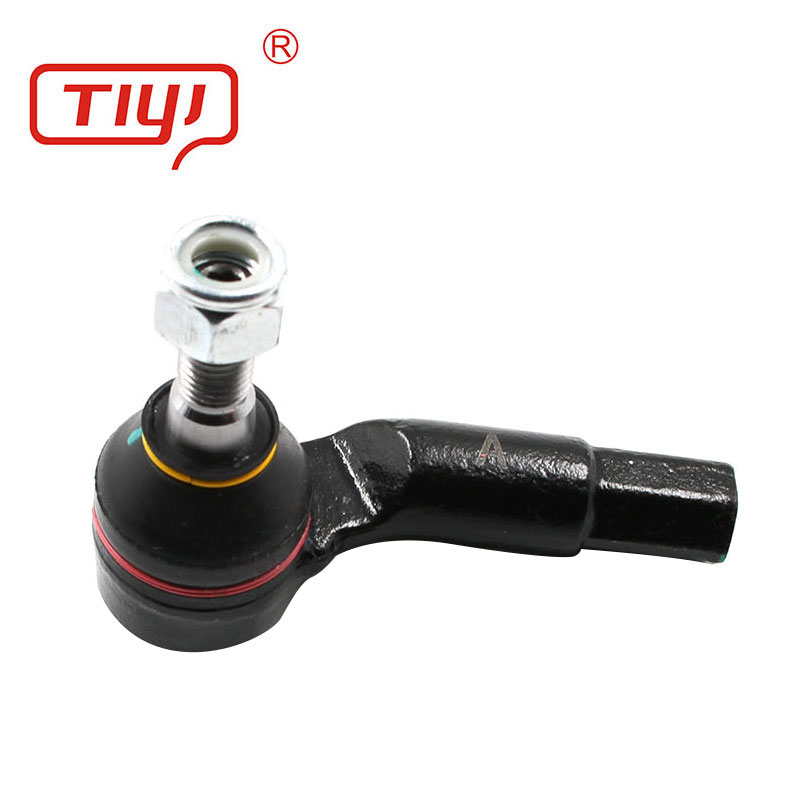
VW Lavida A4 2008-/Tie Rod End/OEM:1J0422811B
View More -
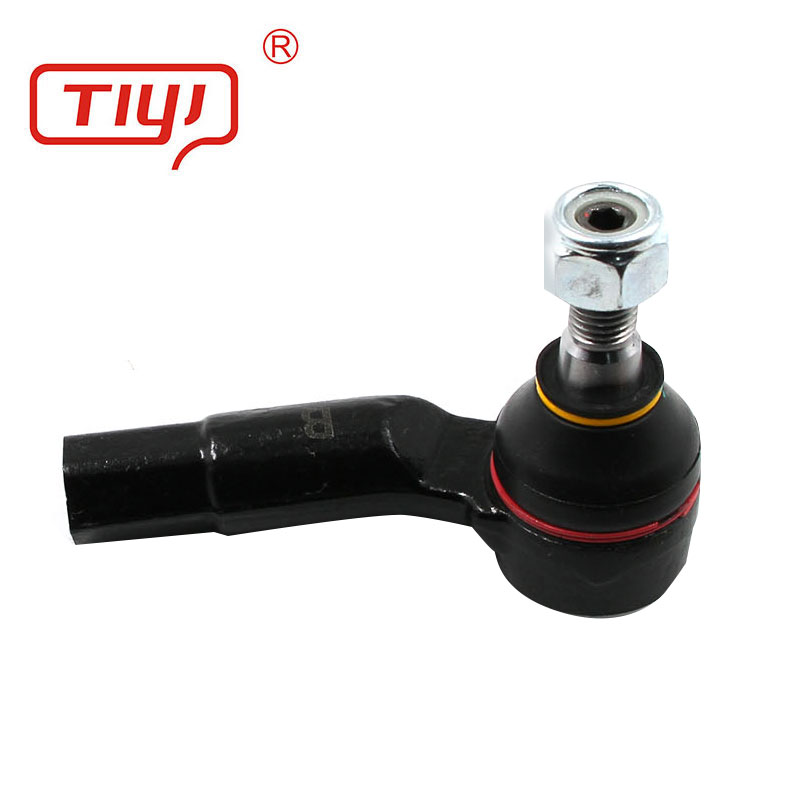
VW Lavida A4 2008-/Tie Rod End/OEM:1J0422812B
View More -
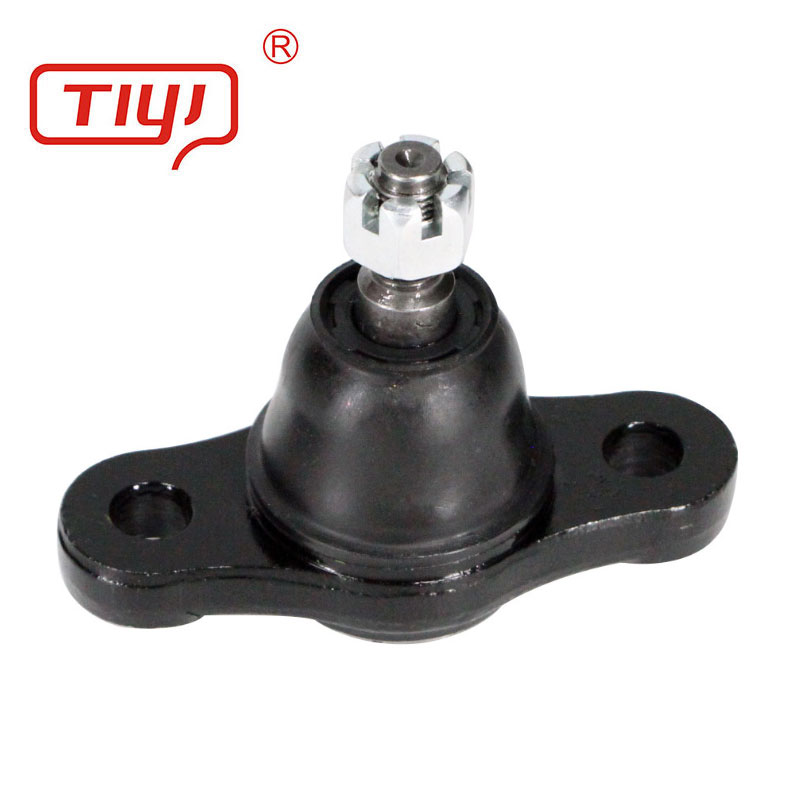
Hyundai Elantra 2000-2007/BALL JOINT/OEM:51760-0Q000
View More -
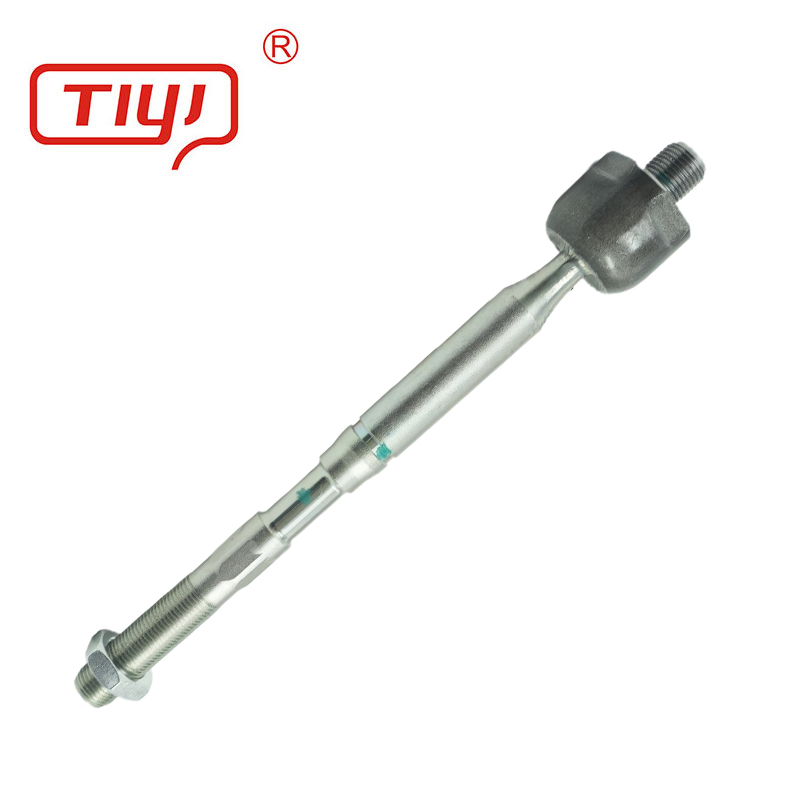
TOYOTA Rongfang 4th 3rd generation 2005-2013/Rack End/OEM: 45503-42030
View More -
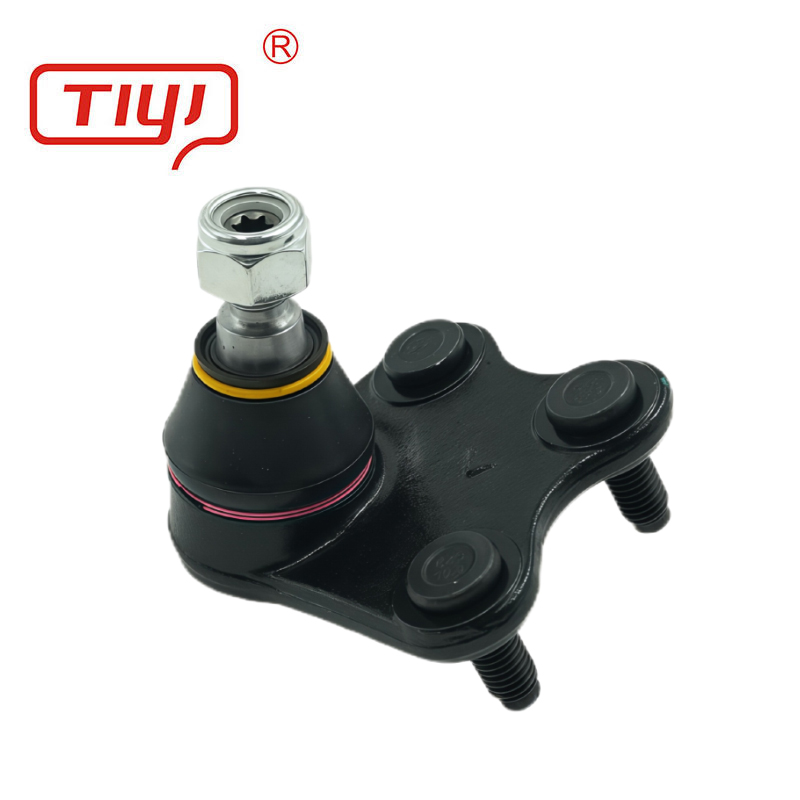
VW NEW JETTA/NEW SANTANA 2013-/BALL JOINT/OEM:6RD407365
View More -
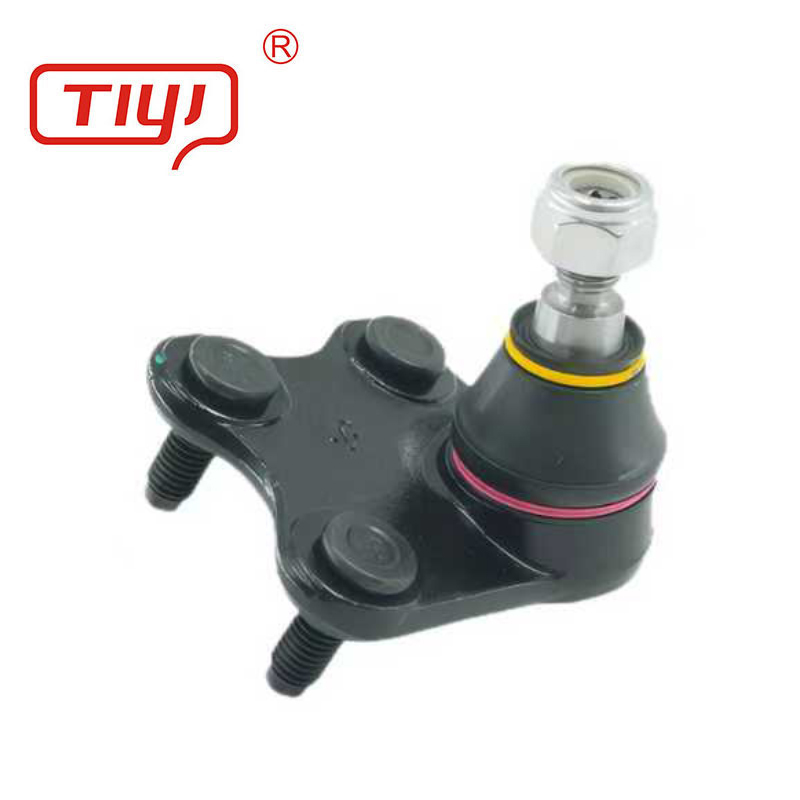
VW NEW JETTA/NEW SANTANA 2013-/BALL JOINT/OEM:6RD407366
View More
-



-
Quick Links
About Us Products Capabilities Support News & Events Contact Us -
Product Range
Rack End Tie Rod End Stabilizer Link Control Arm Ball Joint -
Address
No. 1471, Qingliu East Road, Chuzhou City, Anhui Province, China
