


 English
 中文简体
中文简体
 Español
 عربى
عربى

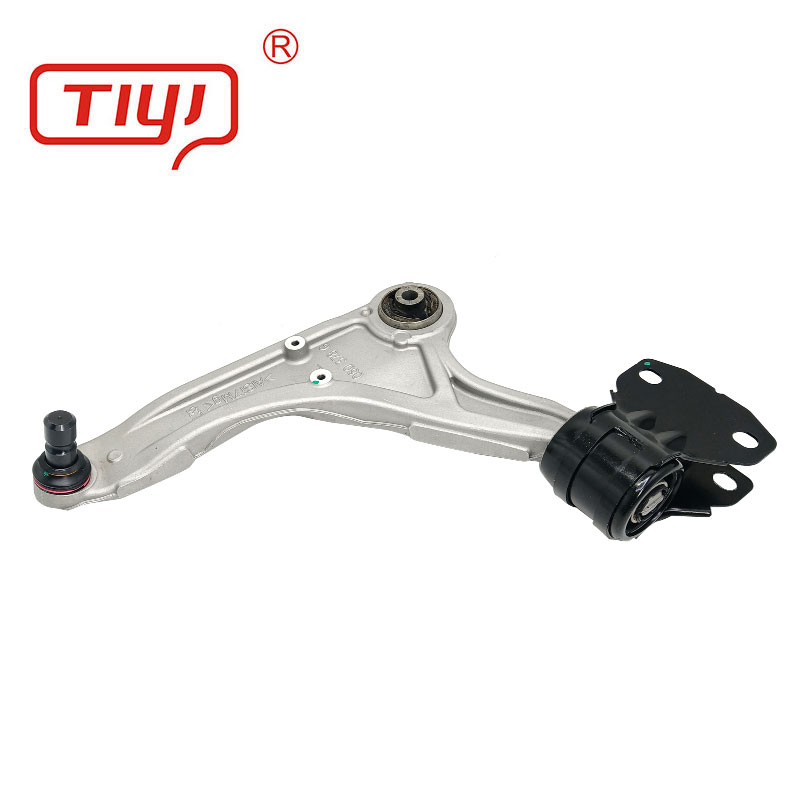
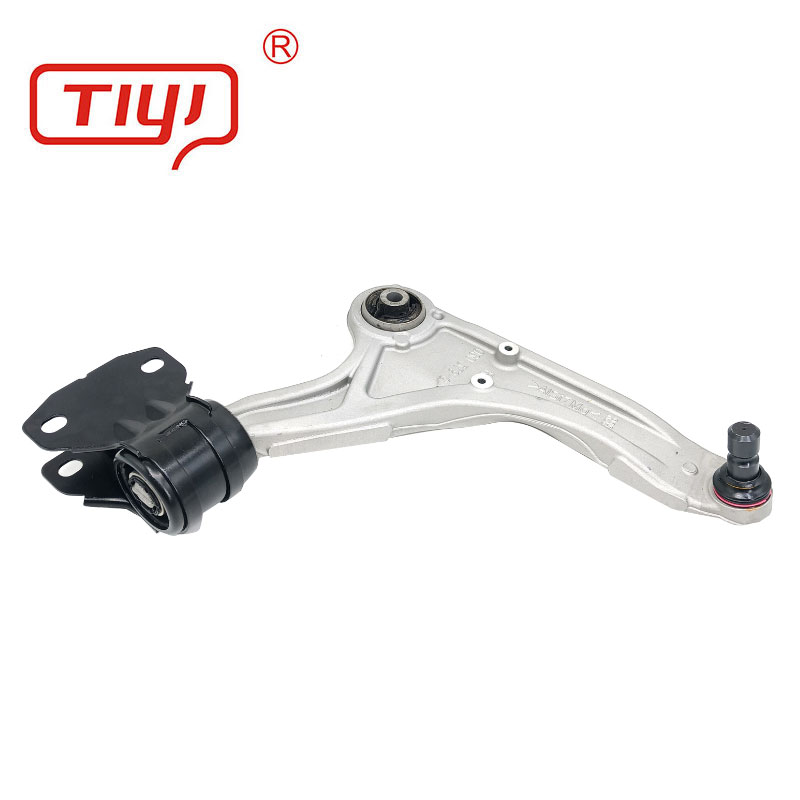
Specification
| Parameter | Common Specifications |
| Arm Type | Upper Control Arm (UCA), Lower Control Arm (LCA), Tension/Compression Arm |
| Construction | Stamped Steel, Forged Steel, Cast Iron, Aluminum Forging/Billet |
| Bushing Type | Rubber (OE), Polyurethane, Spherical Bearing, Press-in vs. Clevis |
| Ball Joint | Integrated (Riveted) or Serviceable (Bolt-on/Thread-in) |
| Adjustability | Fixed, or with adjustable camber/caster via eccentric bolts or threaded bj |
| Finish/Coating | E-Coat, Powder Coat, Zinc Plating for corrosion resistance |
| Vehicle Fitment | Specific to make, model, year, and often drivetrain (FWD/RWD/AWD) |
Applications
Control arms are used in virtually all independent suspension designs. In a MacPherson strut system, the lower control arm is the primary lateral locator for the wheel. In double-wishbone and multi-link suspensions, both upper and lower control arms work in concert to create a virtual pivot point for precise wheel control. Their application spans every segment: from economy cars, where cost-effective stamped steel arms are common, to luxury and performance vehicles that utilize lightweight aluminum forgings for reduced unsprung weight and increased stiffness.
Aftermarket performance control arms are crucial for corrected suspension geometry in lowered or lifted vehicles. Off-road applications demand reinforced, heavy-duty control arms to withstand brutal impacts and extreme articulation. In motorsports, adjustable control arms allow for fine-tuning of camber and caster angles to optimize tire contact patch for different tracks and conditions.
Advantages
- Defines Suspension Geometry: The length and pivot points of the control arm directly set the camber and caster curves, which are critical for handling and tire wear.
- Provides Structural Rigidity: Forms a strong, direct load path between the wheel and chassis, managing forces from cornering, braking, and acceleration.
- Isolates Vibration and Noise: Rubber or polyurethane bushings at the chassis mounts dampen road harshness and prevent metal-on-metal contact.
- Enables Precision Alignment: Adjustable arms allow for precise setting of camber and caster beyond factory fixed ranges, essential for performance driving or correcting modified suspension height.
- Durability and Serviceability: High-quality arms are built to last, and many designs allow for replacement of the wear items (bushings, ball joints) without replacing the entire arm.
- Improves Handling Response: Stiffer arms with performance bushings reduce deflection, providing more immediate and communicative steering feedback.
Materials and Structure
The structure of a control arm is a study in managing forces efficiently. Stamped steel arms, made from high-strength low-alloy (HSLA) steel, are cost-effective and strong in specific planes. Forged steel or iron arms offer greater strength and consistency for heavy-duty applications. Performance-oriented arms are often CNC-machined from billet aluminum or forged from aluminum alloy, providing an exceptional strength-to-weight ratio to reduce unsprung mass.
The critical features are the bushing eyes and the ball joint mounting point. The bushing eyes are engineered to accept specific types of bushings—cylindrical press-in types or clevis styles that use a through-bolt. The ball joint mount is designed either to have a joint pressed in or to accept a bolt-on unit. The arm's shape is not arbitrary; it is designed to clear other components (like drivetrain parts) throughout the full range of suspension travel and steering lock.