

 English
 中文简体
中文简体
 Español
 عربى
عربى

Specifications
| Parameter | Details |
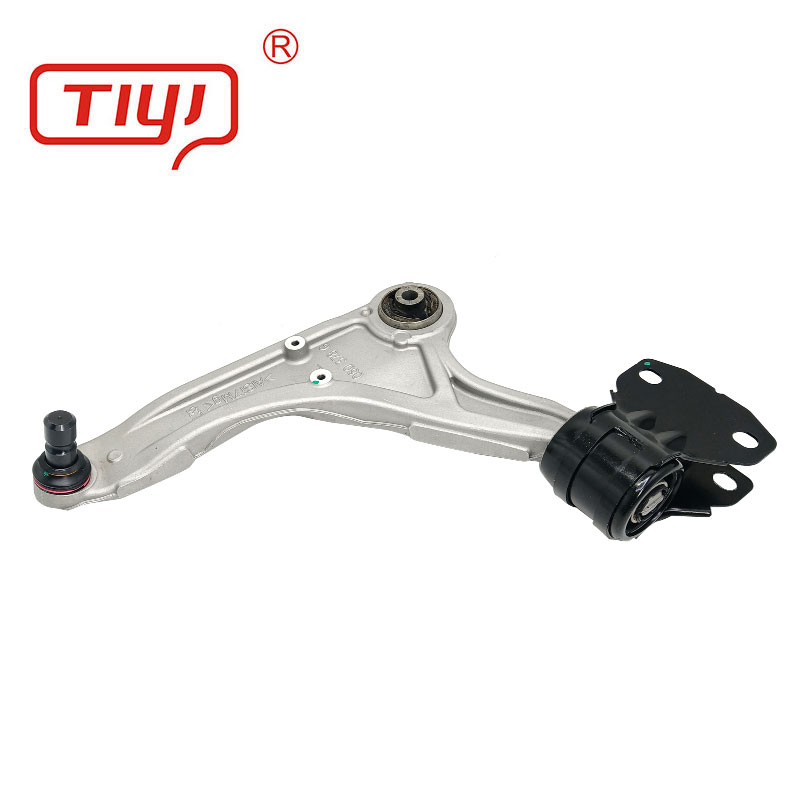
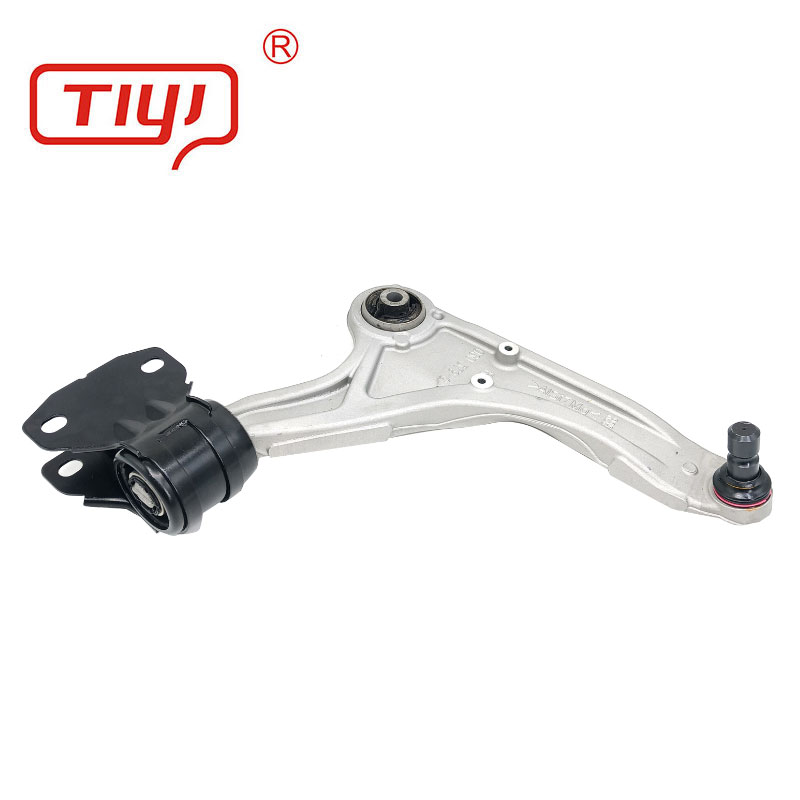
| Type | Upper Control Arm, Lower Control Arm, A-arm, Multi-link |
| Material (Arm) | Stamped Steel, Forged Steel, Cast Iron, Aluminum Alloy |
| Bushing Material | Rubber, Polyurethane, Spherical Bearing |
| Ball Joint Type | Integrated (Riveted) or Serviceable (Bolt-on) |
| Length / Geometry | Vehicle-specific, critical for alignment |
| Weight (per arm) | 2 kg to 10 kg depending on material and size |
| Corrosion Protection | E-coating, Powder Coating, or Zinc Plating |
| Load Capacity | Designed for vehicle's Gross Axle Weight Rating (GAWR) |
Applications
Control arms are used in nearly every type of vehicle with independent suspension. They are the core of front suspension systems in most passenger cars, SUVs, and light trucks, particularly in MacPherson strut and double-wishbone (A-arm) designs. In a MacPherson strut setup, the lower control arm is a primary component, while double-wishbone systems utilize both an upper and lower control arm.
They are also extensively used in rear independent suspensions. Performance vehicles often feature adjustable control arms, allowing for precise camber and caster tuning for track use. In the off-road world, heavy-duty, reinforced control arms are essential for lifted trucks and Jeeps to correct suspension geometry and withstand extreme articulation and impacts. Beyond automotive, similar linkage designs are found in aircraft landing gear and industrial machinery.
Advantages
- Defines Suspension Geometry: Establishes and maintains critical alignment angles for optimal tire contact and handling.
- Structural Rigidity: Provides a strong, direct link to manage forces from the wheel, improving chassis stability.
- Ride Comfort and Isolation: Rubber or polyurethane bushings effectively dampen vibrations and noise from the road.
- Durability: Engineered from robust materials to withstand constant stress and impacts.
- Serviceability: Many designs allow for replacement of bushings and ball joints, extending the arm's overall life.
- Performance Tuning: Adjustable aftermarket arms enable fine-tuning of handling characteristics for racing or custom setups.
- Safety: A vital structural component that ensures the wheel remains correctly positioned and attached.
Materials and Structure
The control arm's structure is designed for strength and precise geometry. The main body is typically formed from stamped steel (cost-effective and strong) or forged/machined aluminum (lightweight and stiff for performance). High-end or heavy-duty arms may use tubular steel or cast iron for maximum strength.
The critical connection points are the bushings and the ball joint. Bushings, pressed into the chassis-end of the arm, are made from rubber for comfort or polyurethane for performance and durability. The wheel-end of the arm features either an integrated, non-serviceable ball joint or a mounting point for a bolt-on, replaceable ball joint. The entire assembly is engineered as a lever, with specific pivot points that dictate the wheel's arc of motion. The shape, thickness, and material all contribute to its ability to handle multidirectional forces without flexing or failing.