

 English
 中文简体
中文简体
 Español
 عربى
عربى

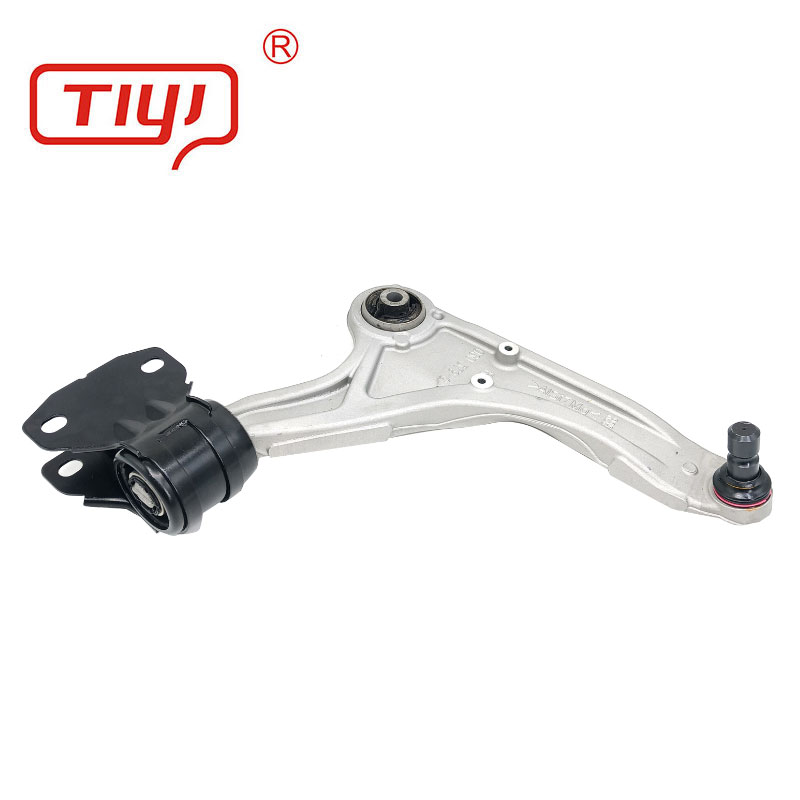
Specification
| Parameter | Replacement Part Details |
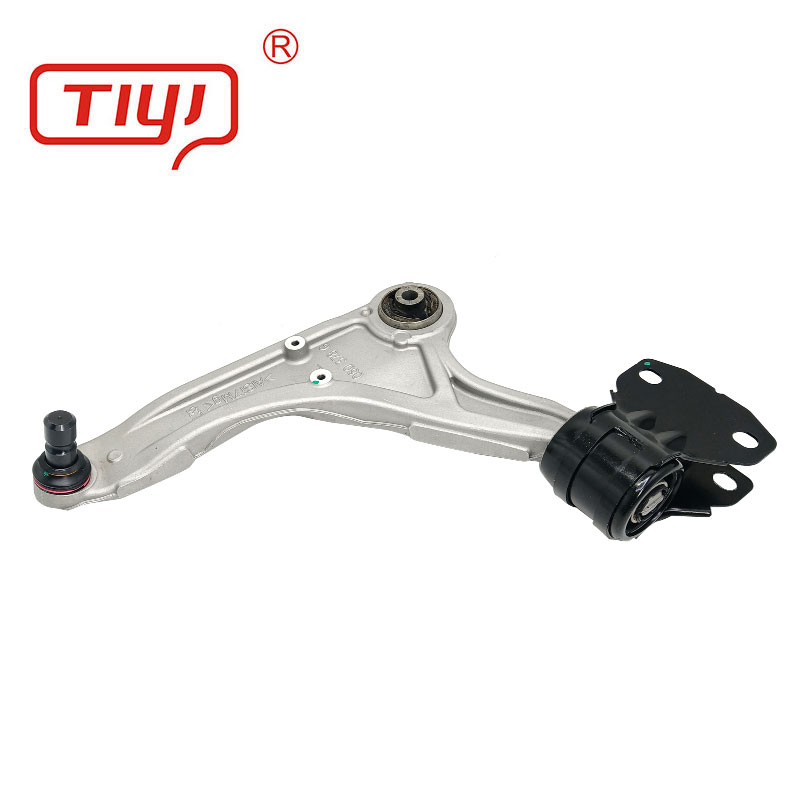
| Part Type | Upper Control Arm, Lower Control Arm, Complete Assembly (with bushings & ball joint) |
| Construction | Stamped Steel, Forged Steel, Cast Iron, Aluminum Forging/Billet |
| Bushing Type (if included) | Rubber, Polyurethane, Press-in or Clevis Style |
| Ball Joint (if included) | Integrated (non-serviceable) or Serviceable (bolt-on) |
| Adjustability | Fixed, or with adjustable ball joint for camber/caster |
| Finish | E-coat, Powder Coat, Zinc Plating |
| Hardware Included |
ApplicationsControl arm replacement is applied in several key situations. The most common is during a comprehensive front-end suspension rebuild on a high-mileage vehicle, where the arm's bushings and ball joint are worn out and the arm itself may be fatigued. It is a standard procedure in collision repair when a control arm is bent in an accident. Performance enthusiasts replace control arms to upgrade to stronger, lighter, or adjustable units when modifying their vehicle's suspension. Off-roaders replace arms with reinforced, heavy-duty versions to withstand extreme articulation and impacts. The procedure is also necessary when a vehicle suffers from persistent alignment issues that cannot be corrected due to a bent or warped control arm. In many modern repair scenarios, replacing the entire arm assembly is preferred over pressing in new bushings and joints due to labor efficiency and the assurance of all-new components. Advantages
Materials and Replacement Unit DesignReplacement control arms are supplied as complete, ready-to-install units. OEM-style arms replicate the original material, typically stamped or forged steel, with rubber bushings and a riveted ball joint. Aftermarket performance arms may be forged from aluminum to reduce unsprung weight, and feature polyurethane bushings and a serviceable, greasable ball joint. The design of the replacement unit is critical. It must have the exact same geometry (length, pivot point locations) as the original to maintain proper wheel alignment. The bushings are pre-pressed into the arm, and the ball joint is either pre-installed and riveted (for non-serviceable types) or comes with bolts for attachment. High-quality replacements include corrosion-resistant coatings and all necessary hardware. The unit is designed for a straightforward bolt-on installation, though it is often heavier and more cumbersome to handle than the individual components it replaces. 


Tianyu Quality, Solid as Rocks
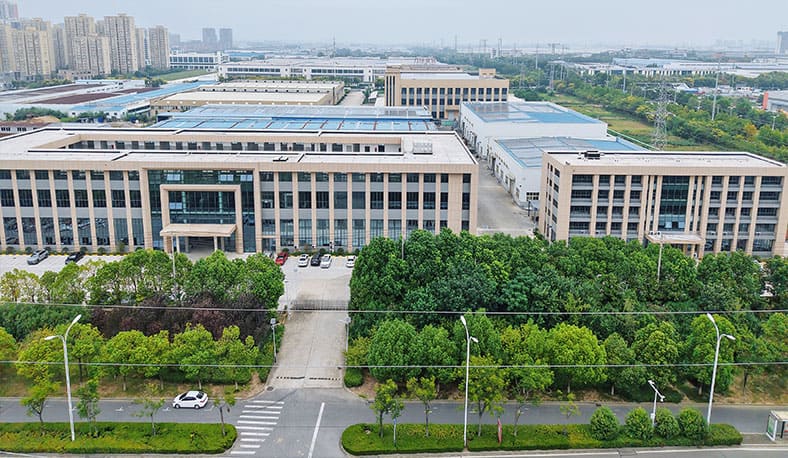
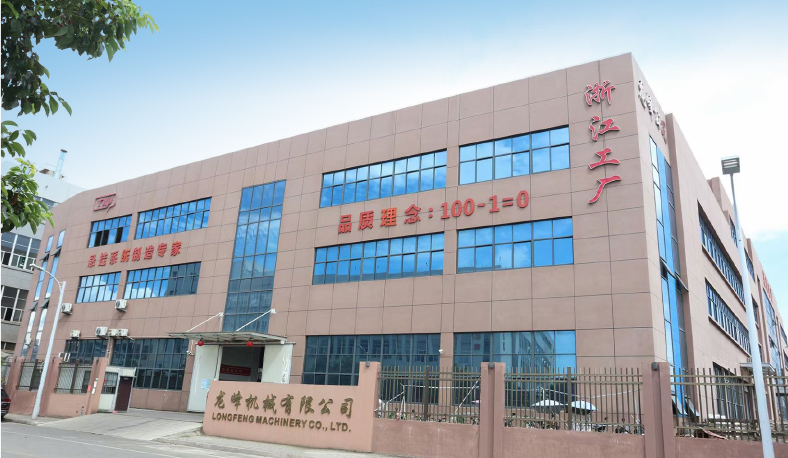
Tianyu is an experienced automotive parts manufacturer with 28 years of manufacturing experience, and has two major production bases in China. The company is equipped with 60,000 square meters of modern production workshops and a multi-million RMB R&D laboratory. Tianyu has provincial-level ball joint and arm centers in various provinces, municipalities, and autonomous regions across China. It also has authorized agents under the Tianyu brand in counties and districts, covering the entire automotive aftermarket in China. With over 20 years of export experience, the company’s products are primarily exported to Southeast Asia, the Middle East, South America, Europe, and other markets. Tianyu maintains a stock of 2 million units and offers a wide variety of small batch orders, with fast delivery in 7-10 days. The product range includes: rod ends, tie rod ends, ball joints, stabilizer links, control arms, bushings, and more.
Recommended Product:Control Arm Bushings Suspension Control Arms Car Control Arms Suspension Control Arms
Copyright ©2025 Anhui Tianyu Auto Parts Manufacturing Co., Ltd. All Rights Reserved
China automotive suspension parts manufacturer
China chassis components supplier

|