

 English
 中文简体
中文简体
 Español
 عربى
عربى

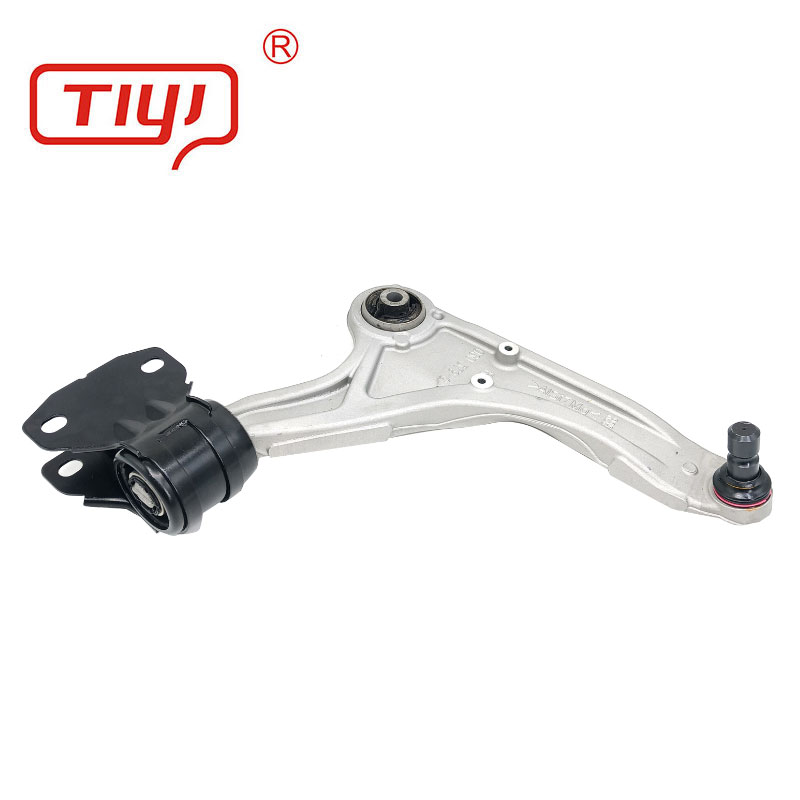
Specification
| Parameter | Typical Details | ||||||||||||||||
| Arm Type | Upper Control Arm (UCA), Lower Control Arm (LCA), Trailing Arm, Lateral Link | ||||||||||||||||
| Construction | Stamped Steel, Forged Steel, Cast Iron, Aluminum Forging/Billet | ||||||||||||||||
| Bushing Type | Rubber, Polyurethane, Spherical Bearing; Press-in or Clevis Style | ||||||||||||||||
| Ball Joint | Integrated (non-serviceable) or Serviceable (bolt-on/replaceable) | ||||||||||||||||
| Adjustability | Fixed length, or adjustable via eccentric bolts, shims, or threaded bj mounts | ||||||||||||||||
| Finish | E-coat, Powder Coat, Zinc Plating for corrosion resistance | ||||||||||||||||
| Compatibility | SSpecification
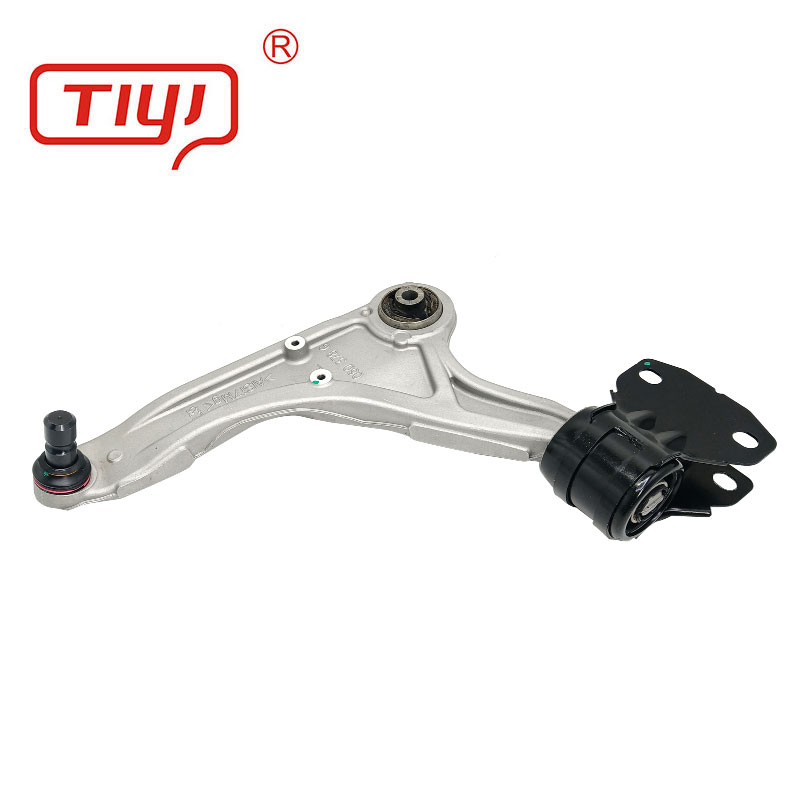
ApplicationsControl arms are used in all independent suspension designs. In a MacPherson strut system, the lower control arm is the primary lateral locator. In double-wishbone and multi-link suspensions, both upper and lower arms work together to create a virtual pivot point for precise wheel control. Their application spans economy cars (stamped steel) to luxury and performance vehicles (aluminum forgings). Aftermarket performance control arms are crucial for correcting geometry in lowered or lifted vehicles. Off-road applications demand reinforced, heavy-duty arms to withstand brutal impacts. In motorsports, adjustable arms allow for fine-tuning of camber and caster angles. They are also common replacement items during major suspension service on high-mileage vehicles and are integral to collision repair when front-end damage occurs. Advantages
Materials and StructureControl arm structure is designed for efficient force management. Stamped steel arms (HSLA steel) are cost-effective. Forged steel or iron arms offer greater strength. Performance arms are often CNC-machined from billet aluminum or forged aluminum for an excellent strength-to-weight ratio, reducing unsprung mass. The critical features are the bushing eyes and ball joint mount. Bushing eyes are engineered for specific bushings—cylindrical press-in or clevis styles. The ball joint mount is designed for a press-in or bolt-on joint. The arm's shape clears other components (drivetrain parts) through full suspension travel and steering lock. The design is a balance of strength, weight, and precise geometry to control the wheel's motion accurately. 


Tianyu Quality, Solid as Rocks
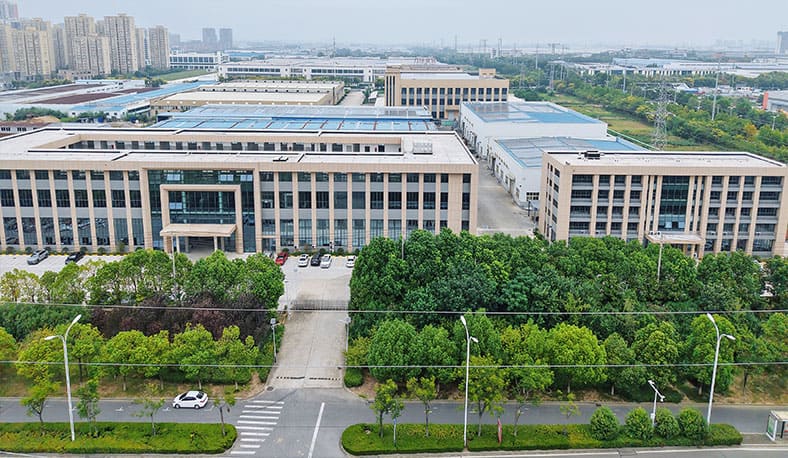
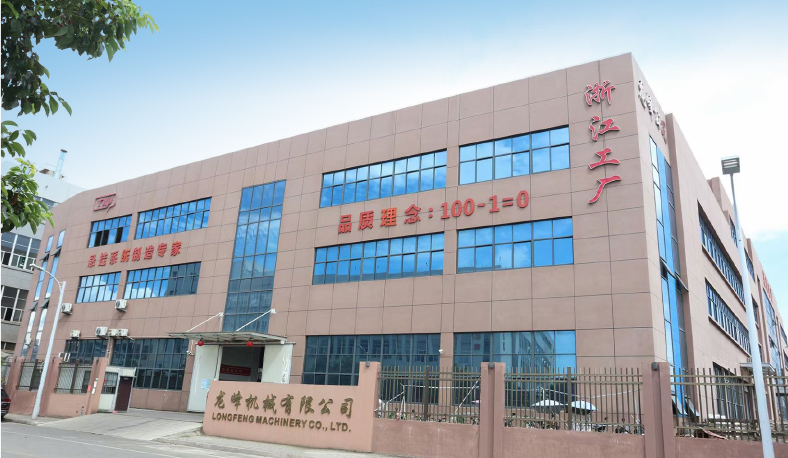
Tianyu is an experienced automotive parts manufacturer with 28 years of manufacturing experience, and has two major production bases in China. The company is equipped with 60,000 square meters of modern production workshops and a multi-million RMB R&D laboratory. Tianyu has provincial-level ball joint and arm centers in various provinces, municipalities, and autonomous regions across China. It also has authorized agents under the Tianyu brand in counties and districts, covering the entire automotive aftermarket in China. With over 20 years of export experience, the company’s products are primarily exported to Southeast Asia, the Middle East, South America, Europe, and other markets. Tianyu maintains a stock of 2 million units and offers a wide variety of small batch orders, with fast delivery in 7-10 days. The product range includes: rod ends, tie rod ends, ball joints, stabilizer links, control arms, bushings, and more.
Recommended Product:Suspension Control Arms Suspension System Components Suspension Arm Bushings Control Arm Replacement
Copyright ©2025 Anhui Tianyu Auto Parts Manufacturing Co., Ltd. All Rights Reserved
China automotive suspension parts manufacturer
China chassis components supplier

|