

 English
 中文简体
中文简体
 Español
 عربى
عربى


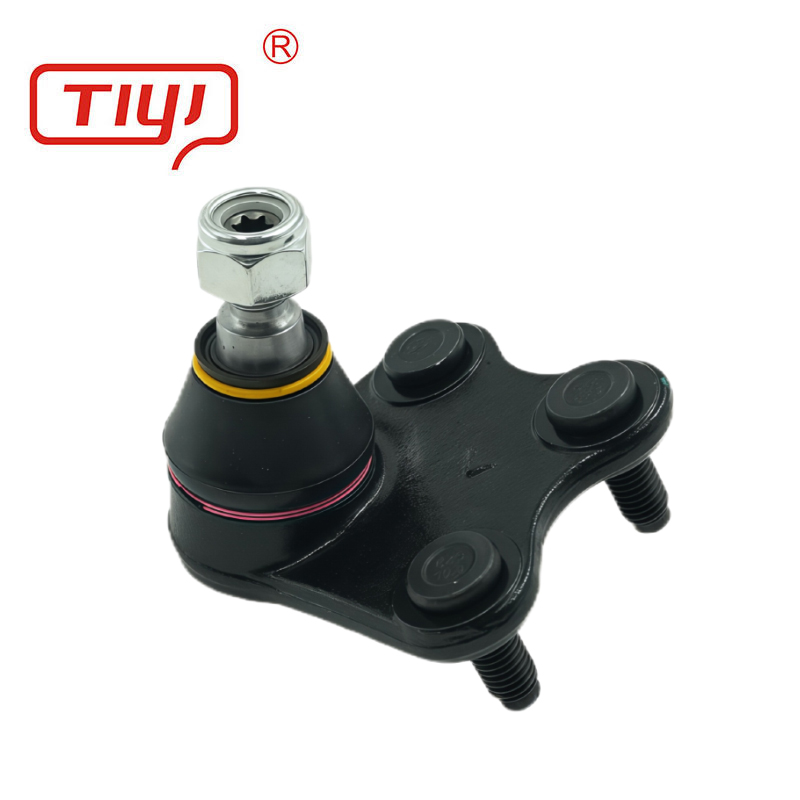
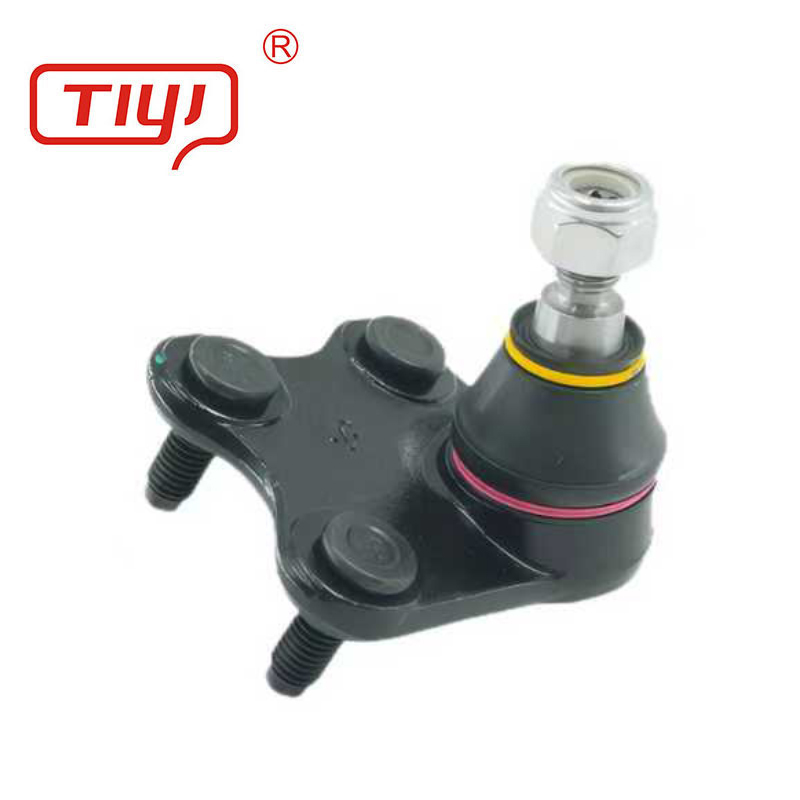
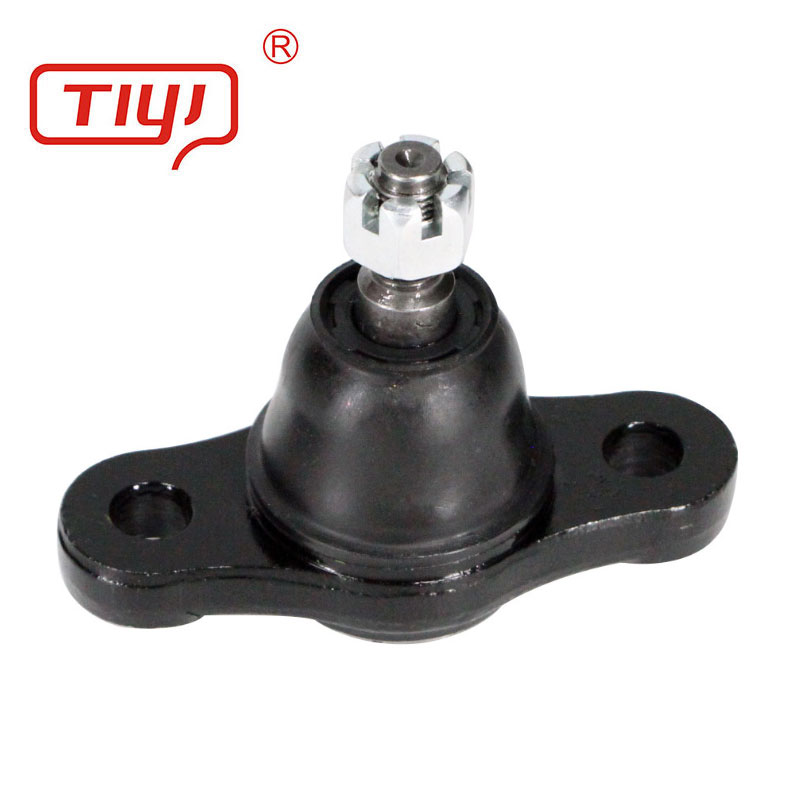
The short answer: a Honda Civic ball joint replacement typically costs between $150 and $350 per joint, with most owners paying roughly $240 to $280 once parts and labor are combined. That total splits into about $20 to $120 for the component itself and $85 to $230 for shop labor. A ball joint is the spherical pivot that connects the front control arm to the steering knuckle — the part that lets the wheel move up and down while still turning. When it wears out, replacement is not optional: a failed ball joint can make the front wheel fold inward and cost you steering control at speed. This guide breaks down the full cost picture by Civic generation, explains the price drivers that matter, and shows you where the money actually goes.
Content
- What a Ball Joint Does and Why Civic Ball Joints Wear
- Honda Civic Ball Joint Replacement Cost Breakdown
- Five Factors That Change the Final Price
- Signs That Your Civic's Ball Joints Need Attention
- The Replacement Process and Why Part Quality Matters
- DIY or Professional: Which Makes Sense for You
- How to Lower the Cost Without Compromising Safety
- Frequently Asked Questions
What a Ball Joint Does and Why Civic Ball Joints Wear
Civic ball joints wear gradually rather than suddenly, and a properly maintained set typically lasts 80,000 to 120,000 miles before measurable play develops. Each front corner uses a lower ball joint — and some trims add an upper one — to keep the wheel carrier aligned as the suspension compresses and rebounds. The joint itself is a spherical steel stud inside a socket lined with a polymer bearing, all sealed by a rubber boot packed with grease. That boot is the weak link. When it cracks from age, road salt, or debris impact, moisture and grit enter the joint, the grease degrades, and wear accelerates quickly. Potholes, speed bumps, and hard cornering all shorten service life. Having the boots inspected during tire rotations is the cheapest way to catch problems before they reach the price of a replacement.
Honda Civic Ball Joint Replacement Cost Breakdown
Labor dominates a Civic ball joint replacement bill, typically accounting for 60 to 70 percent of the total, so the shop you choose affects the final price more than the part brand you select. The estimates below represent national average ranges compiled from repair pricing data and independent shop quotes. A dealership will often run $80 to $150 higher because of higher labor rates and genuine manufacturer parts.
| Cost Component | Low Estimate | High Estimate | Typical Range |
|---|---|---|---|
| Replacement ball joint (one side) | $20 | $120 | $40-$80 |
| Labor (one side) | $85 | $230 | $140-$180 |
| Wheel alignment (recommended) | $50 | $120 | $80-$100 |
| Total — one side | $150 | $350 | $240-$280 |
| Total — both sides | $300 | $650 | $480-$550 |
Five Factors That Change the Final Price
The biggest pricing variables are the Civic generation and its ball joint design, followed by parts quality, labor rates, and whether you replace one side or both at the same time.
- Civic generation and joint design. Tenth-generation Civics (2016-2021) use bolt-on lower ball joints that are quick to swap. Older generations, especially the eighth (2006-2011), often use press-in joints that require a ball joint press and add 30 to 60 minutes of labor, pushing the bill toward the upper end of the range.
- Parts quality. A genuine Honda part typically costs $80 to $130. An OEM-quality aftermarket joint runs $30 to $70. The cheapest no-name joints, often under $20, are a false economy because their boots and internal bearings wear out far sooner.
- Labor rate. Independent shops charge $85 to $130 per hour; dealerships run $150 to $230 per hour in major metro areas. A typical ball joint job is booked at one to two hours.
- One side or both. If one lower ball joint has failed, the other side often has comparable wear. Replacing both at once saves a second wheel alignment and lowers the effective labor cost per side.
- Regional pricing. Labor rates in coastal metro areas can run 40 percent higher than in small towns and the Midwest. A quick phone quote is the fastest way to calibrate expectations for your area.
Signs That Your Civic's Ball Joints Need Attention
The telltale signs of a worn Civic ball joint are a clunking noise over bumps, uneven front tire wear, and steering-wheel play that was not there before. If you notice any of the following, have the suspension inspected promptly.
Clunking or popping
A loose joint makes a metallic clunk when the suspension compresses over speed bumps, potholes, or sharp turns. By this point, the joint already has measurable play.
Uneven front tire wear
A worn ball joint lets the wheel tilt slightly, causing rapid scalloped wear on one edge of the tire — sometimes within 5,000 miles.
Steering play and vibration
More than about half an inch of free movement at the steering-wheel rim, or a shake at highway speeds, points to a loose ball joint or tie rod end.
Wandering or pulling
If the car drifts to one side on a flat road or pulls after hitting a bump, the suspension geometry has shifted because of a failing joint.
Torn or leaking boot
Inspect the rubber boot at the base of the joint. If it is torn, cracked, or oozing grease, the joint is already contaminated and replacement is the only fix.
The Replacement Process and Why Part Quality Matters
A professional replaces a Civic ball joint in one to two hours, and the joint's internal design and testing standard matter more than the metal casing you can see. The shop lifts the car, removes the wheel, separates the joint from the steering knuckle, presses or bolts in the new part, and torques everything to factory specifications. Afterward, an alignment check is recommended because separating the knuckle can shift the toe setting by a fraction of a degree.
What you cannot see inside the joint is what determines its lifespan. Quality ball joints pass load-cycle testing in the hundreds of thousands of cycles and maintain their grease and factory tolerance for years. Manufacturers that stand behind parts with a 2-year or 100,000 km warranty make that durability commitment explicit, which is why we recommend asking suppliers about test data and warranty length before comparing price. A full walkthrough of the steps can be found in our ball joint replacement guide.
DIY or Professional: Which Makes Sense for You
If you already own a ball joint press and have done suspension work before, replacing the joint yourself cuts the cost by roughly half. If not, the labor charge — typically $140 to $180 at an independent shop — is a reasonable price for avoiding the risk of an improperly torqued or misaligned joint on a critical safety component.
| Replacement Method | Part Cost | Labor Cost | Total Estimate | Time Needed |
|---|---|---|---|---|
| DIY replacement | $30-$90 | $0 | $30-$90 (plus tools) | 2-4 hours |
| Independent shop | $40-$80 | $140-$180 | $200-$280 | 1-2 hours |
| Dealership | $80-$130 | $180-$230 | $280-$360 | 1-2 hours |
How to Lower the Cost Without Compromising Safety
You can realistically save $80 to $150 on a Civic ball joint replacement by pairing an OEM-spec aftermarket part with an independent shop's labor rate, and none of these steps reduce safety margin.
- Get three written quotes. Ask what brand of joint is included and whether the quote covers an alignment check, then compare like for like.
- Buy the part yourself if the shop allows it. You will pay retail rather than a typical 30 to 60 percent shop markup. Confirm the shop will still honor its labor warranty with customer-supplied parts.
- Replace both sides when the other joint shows wear. The extra part costs $30 to $90, but you avoid a second labor booking and a second alignment.
- Skip the alignment only if the tie rods were not touched. Most ball joint work does not require a full alignment, but a cheap alignment check is worth the cost to protect tire life.
- Choose a parts brand that publishes test data. A joint that has passed 1 million load cycles and carries a 2-year/100,000 km warranty is a much better long-term value than an unbranded part with no stated standard. This is why many owners start with a verified automotive ball joint manufacturer rather than chasing the lowest price.
Frequently Asked Questions
Here are direct answers to the questions Civic owners ask most often when budgeting for a ball joint replacement.
How long do Honda Civic ball joints last?
Most Civic ball joints last 80,000 to 120,000 miles in normal driving. Severe road conditions, frequent potholes, and a failed boot can shorten that to 50,000 miles, while easy highway use can extend it past 150,000.
Can I drive with a worn ball joint?
You can, but you should not. A ball joint with significant play can separate from the steering knuckle, causing the wheel to fold inward and the car to lose steering control. If you hear clunking or feel steering play, replace it promptly.
Is a wheel alignment required after ball joint replacement?
Not always, but it is strongly recommended. Separating the joint from the knuckle can shift the toe setting, and a basic alignment costs $50 to $100 — far less than the cost of premature tire wear.
Are aftermarket ball joints as good as factory parts?
An OEM-spec aftermarket joint that matches the original's dimensions and materials can outlast the factory part, especially if the manufacturer publishes load-test results and includes a genuine warranty. Cheap unbranded joints are not equivalent and should be avoided.