

 English
 中文简体
中文简体
 Español
 عربى
عربى


Jeep ball joint replacement means replacing the upper and lower pivot joints that connect each front steering knuckle to the axle housing. On Wrangler TJ, JK, and JL models, the job should not be delayed once you notice clunks, steering play, or abnormal tire wear — usually between 60,000 and 100,000 miles depending on tire size, lift height, and how much off-road use the axle has seen.
Content
What Are Jeep Wrangler Ball Joints?
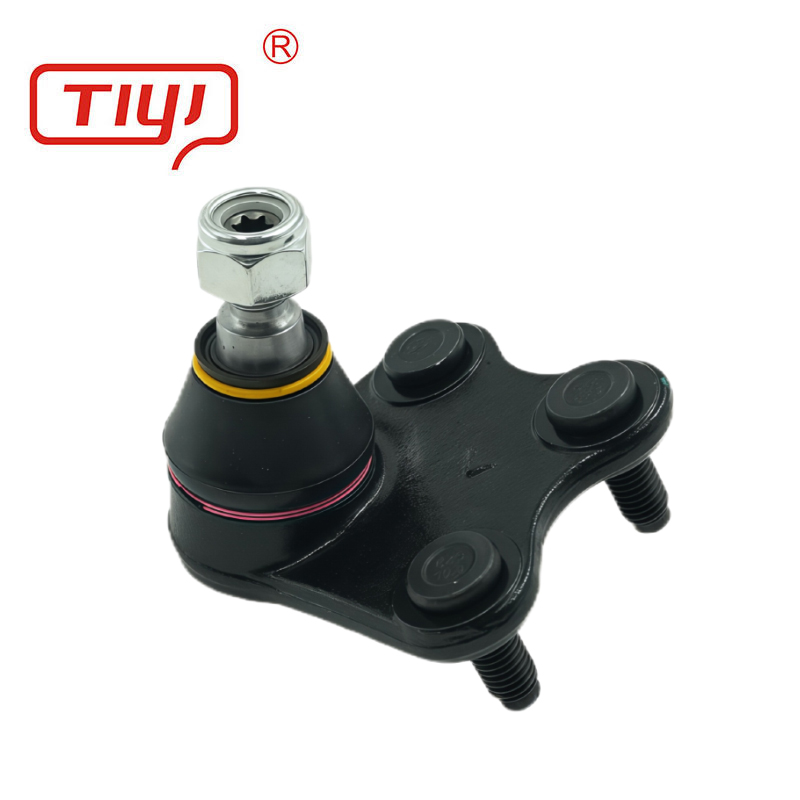
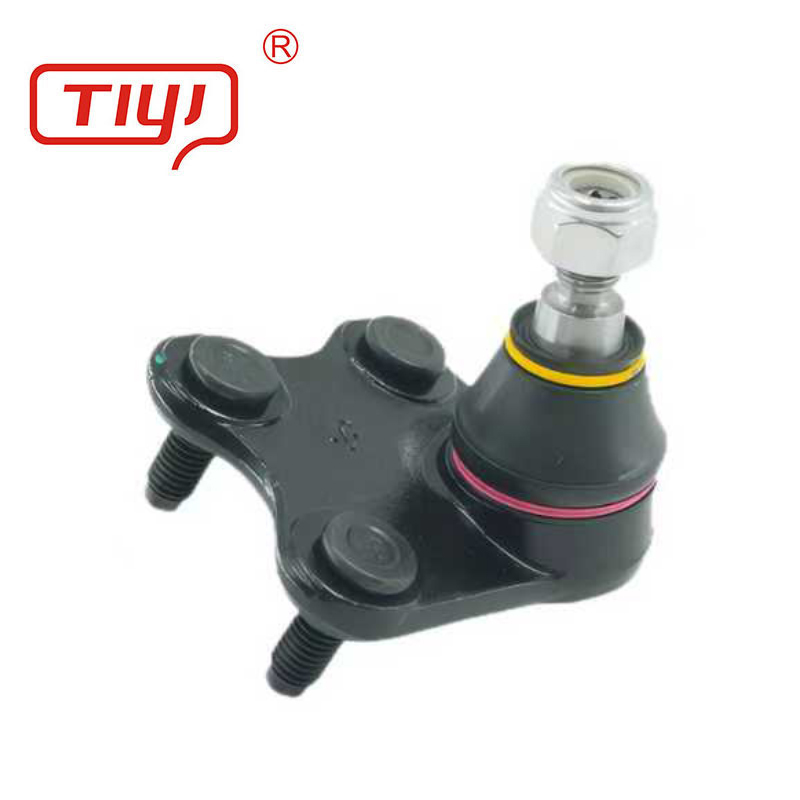
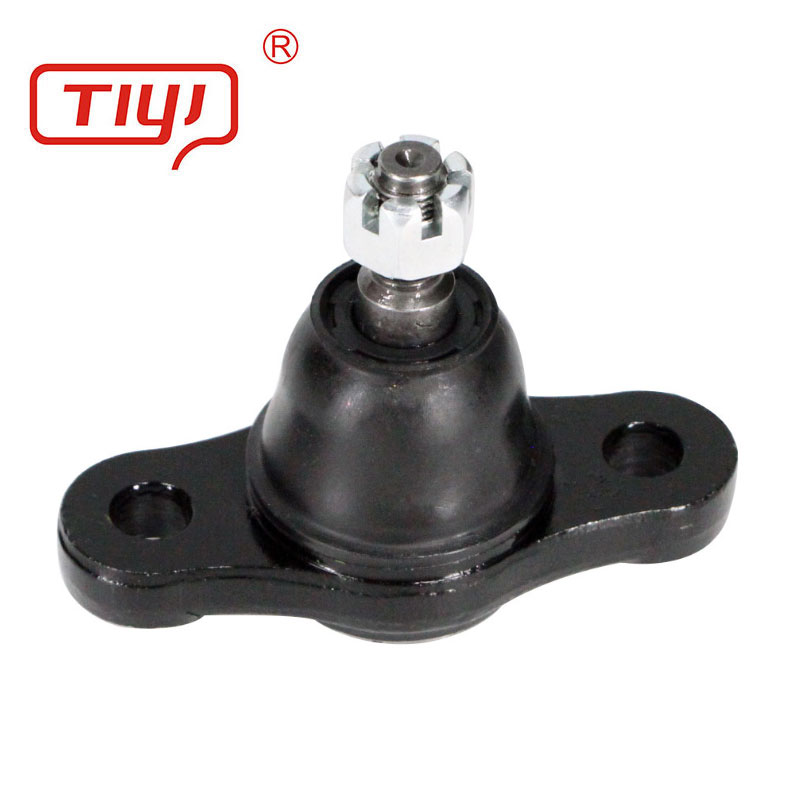
Jeep Wrangler ball joints are spherical bearing assemblies that allow the front knuckle to pivot for steering while the axle housing moves up and down with suspension travel. Each front axle uses four joints: upper and lower on both sides.
When the internal bearing surface wears, the stud begins to move inside the socket. That clearance turns into steering slack and suspension noise. Over time, road grit, water, and damaged boots accelerate the wear process. A bad ball joint can also put extra load on tie rod ends and other steering and suspension parts, so early action protects more than the joint itself.
Jeep Ball Joint Symptoms You Should Not Ignore
Worn Jeep ball joints usually show a combination of audible clunks, steering wander, and uneven tire wear before the joint becomes dangerous.
- Clunking or popping from the front end when crossing speed bumps, entering driveways, or driving over rough off-camber terrain.
- Steering wheel play where the wheel can be turned slightly before the tires respond, sometimes felt as a loose or vague center.
- Feathered or cupped tire wear on the front tires, indicating unwanted deflection of the steering knuckle.
- Grinding or squeaking when turning slowly or riding over bumps.
- Failed inspection due to more than about 1/8 inch (3 mm) of vertical play measured at the joint stud.
How to Check Ball Joints in Ten Minutes
A quick service-bay inspection is simple: raise the front wheels off the ground, pry under the tire with a long bar, and watch the joint area for vertical movement.
Have a helper wiggle the steering wheel while you touch each tapered stud. Any click or movement inside the boot means the joint should be replaced. Also look at the rubber boot: if it is torn, grease can leak out and water or sand can get in, which shortens joint life quickly.
When to Replace Jeep Ball Joints
Replace Jeep Wrangler ball joints when inspection shows more than 1/8 inch of play, boot damage, grease leaks, or obvious stress from larger tires and lift kits.
Mileage alone is not enough. A Wrangler used mainly on pavement can reach 90,000 to 100,000 miles before needing joints. A heavily used trail Jeep with 35-inch tires may need joints at 40,000 to 60,000 miles. The safest policy is a front-end inspection twice a year, especially before summer trips or winter salt season.
Ball Joint Replacement Cost for a Jeep Wrangler
A professional Jeep Wrangler ball joint replacement typically costs between $611 and $742 in total, with labor around $280 to $410 and parts depending on whether you choose standard or heavy-duty joints.
Doing the job yourself lowers the bill to roughly $120 to $500 for parts only, but you also need a ball joint press and about a full day the first time you do it.
| Cost Item | Typical Range | Notes |
|---|---|---|
| Parts, standard replacement set | $120–$250 | Four front ball joints plus new hardware |
| Parts, heavy-duty set | $250–$500 | Oversized studs or greasable design |
| Shop labor, complete front axle | $280–$410 | Usually quoted for both sides at once |
| Total with professional installation | $550–$800 | Front-end alignment not always included |
How to Replace Jeep Ball Joints: Step-by-Step
You can replace Jeep Wrangler ball joints at home with a ball joint press, basic hand tools, new hardware, and the factory torque specifications for your model year.
Here is the overall process:
- Raise and support the Jeep. Use jack stands under the frame or axle, never a floor jack alone.
- Remove the front wheels.
- Remove the brake calipers and rotors, and disconnect the ABS wire so the knuckle can move out of the way.
- Disconnect the stabilizer link and tie rod end from the steering knuckle.
- Take out the cotter pins and castle nuts from the upper and lower ball joint studs.
- Separate the knuckle from the joints with a pickle fork or a tie-rod separator, then remove the knuckle.
- Press the old ball joints out using a ball joint press and the correct adapters. Clean the bore with a wire brush before installation.
- Press the new ball joints in until they seat completely. Install any grease fittings and grease the joints before assembly.
- Reinstall the knuckle, nuts, and new cotter pins after lightly coating the studs with anti-seize only if the manufacturer allows it.
- Torque all fasteners to the manual specification, reinstall the brake parts and wheels, and lower the Jeep.
Corroded studs respond well to penetrating oil applied the evening before the job. Once everything is reassembled, have the front-end alignment checked because worn joints can hide a slight misalignment that will wear new parts quickly.
What About Torque Specifications and Hardware?
Always replace cotter pins, castle nuts, and corroded bolts with OE-grade hardware, and use the torque values from your service manual instead of a generic chart.
If you are replacing the ball joints because of a front-end clunk, inspect the control arm bushings and steering linkage at the same time. This avoids doing the same labor twice. For complete chassis planning, review the condition of car suspension components before ordering parts.
Choosing Quality Replacement Ball Joints
Choose replacement ball joints based on OE dimensions, stud taper, boot design, and documented test data rather than price alone.
A Jeep used on difficult trails needs a greasable joint with a thick dust boot and a heat-treated stud. A daily driver can use a sealed OE-style joint, but the taper and seating depth must match the original to avoid noise or a loose fit.
Working with a specialist automotive ball joints supplier helps you verify the correct stud size and replacement trend before ordering. For fleet and repair-shop buyers, buying directly from a ball joint replacement manufacturer that can provide inspection reports or wear-test data is often the most reliable route.
Standard vs. Heavy-duty vs. Adjustable Joints
Standard replacement joints cost less and work well for stock suspension, while heavy-duty joints usually feature larger studs or stronger sockets for lift kits and larger tires.
| Joint Type | Typical Cost for a Set | Best Use | Expected Life |
|---|---|---|---|
| OE-style sealed | $120–$250 | Stock ride heights and highway use | 60,000–90,000 miles |
| Heavy-duty greasable | $250–$500 | Lift kits, 33–37-inch tires, off-road use | 60,000–100,000+ miles if serviced |
| Adjustable rebuildable | $350–$700 | Competition or rock crawling | Depends on service schedule |
Jeep Ball Joint Replacement FAQ
Common questions center on replacement intervals, labor time, safety, and whether to replace both sides at once.
How many miles do Jeep ball joints last?
Most Jeep Wrangler ball joints last 60,000 to 100,000 miles under normal driving, but larger tires and frequent off-road use can cut that to 40,000 miles.
How long does it take to replace Jeep ball joints?
A professional shop can typically replace all four front ball joints in 3 to 5 hours, while a first-time DIYer should plan for 6 to 8 hours.
Is it safe to drive with a worn ball joint?
No. A badly worn ball joint can separate from the steering knuckle, causing the front wheel to fold under and a total loss of steering control.
Do I need to replace all four Jeep ball joints?
It is best practice to replace all four at once because the remaining old joints are usually close to the same worn condition, and doing them later means paying for the same teardown labor twice.
Final Recommendation
Schedule your Jeep ball joint replacement as soon as a front-end inspection shows play, torn boots, or steering clunk.
Buy quality parts with OE-standard dimensions, torque everything to spec, inspect neighboring suspension parts, and follow through with an alignment. That combination is the shortest path to a stable steering feel and a safer Wrangler both on pavement and off the pavement.