

 English
 中文简体
中文简体
 Español
 عربى
عربى

Product Category
Auto Stabilizer Link Wholesale
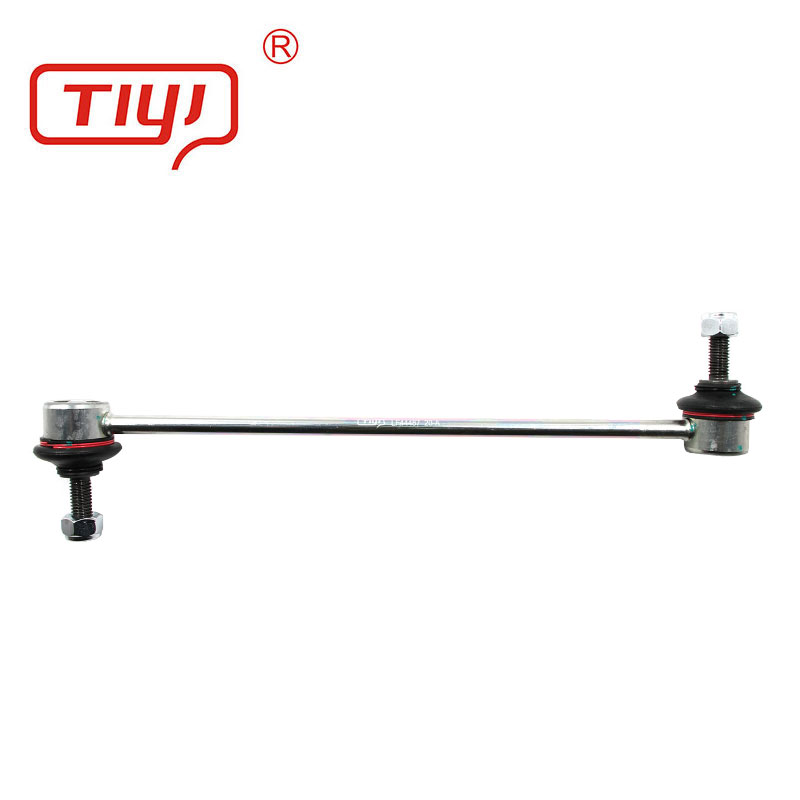



Tianyu Quality, Solid as Rocks
-
0Years
Industry Experience
-
0㎡
Facility Area
Tianyu is an experienced automotive parts manufacturer with 28 years of manufacturing experience and a leading China Auto Stabilizer Link Manufacturers and
Wholesale Auto Stabilizer Link Factory, and has two major production bases in China, and has two major production bases in China. The company is equipped with 60,000 square meters of modern production workshops and a multi-million RMB R&D laboratory. Tianyu has provincial-level ball joint and arm centers in various provinces, municipalities, and autonomous regions across China. It also has authorized agents under the Tianyu brand in counties and districts, covering the entire automotive aftermarket in China. With over 20 years of export experience, the company’s products are primarily exported to Southeast Asia, the Middle East, South America, Europe, and other markets. Tianyu maintains a stock of 2 million units and offers a wide variety of small batch orders, with fast delivery in 7-10 days. The product range includes: rod ends, tie rod ends, ball joints, stabilizer links, control arms, bushings, and more.
-
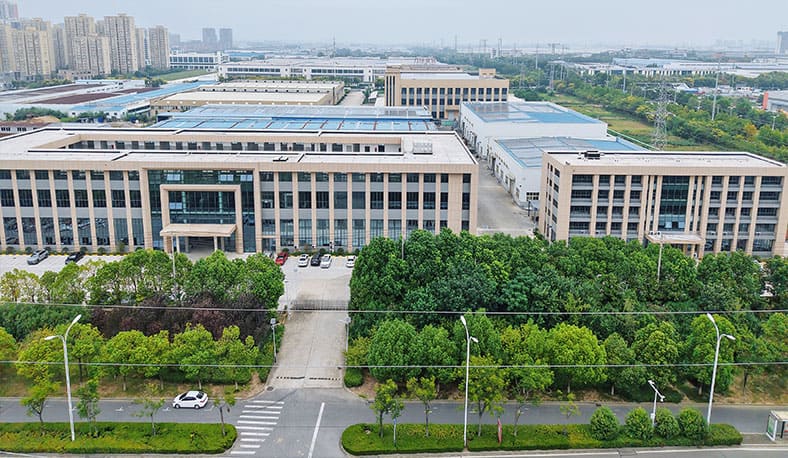
Anhui Factory
40,000㎡
-
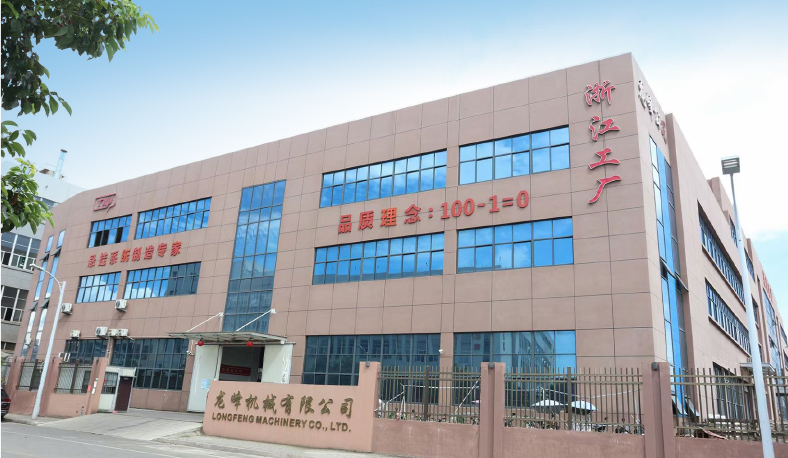
Yuhuan Factory
20,000㎡
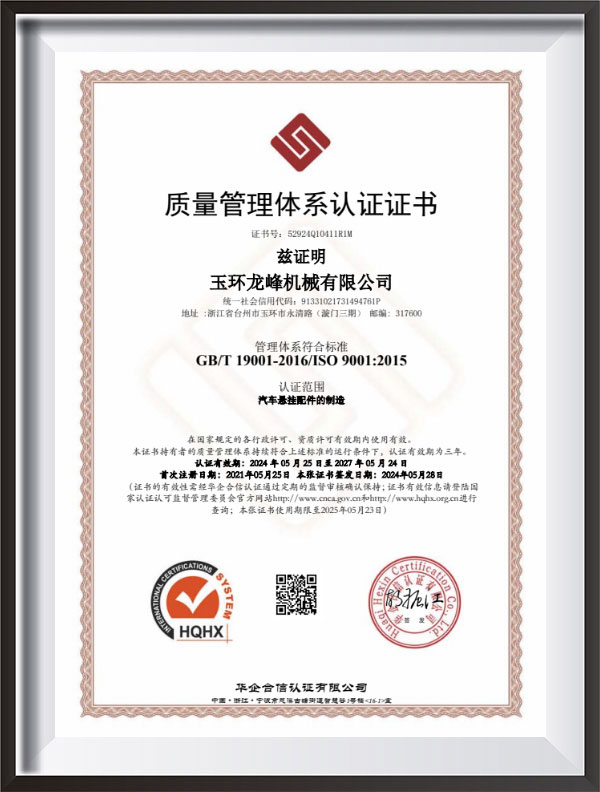
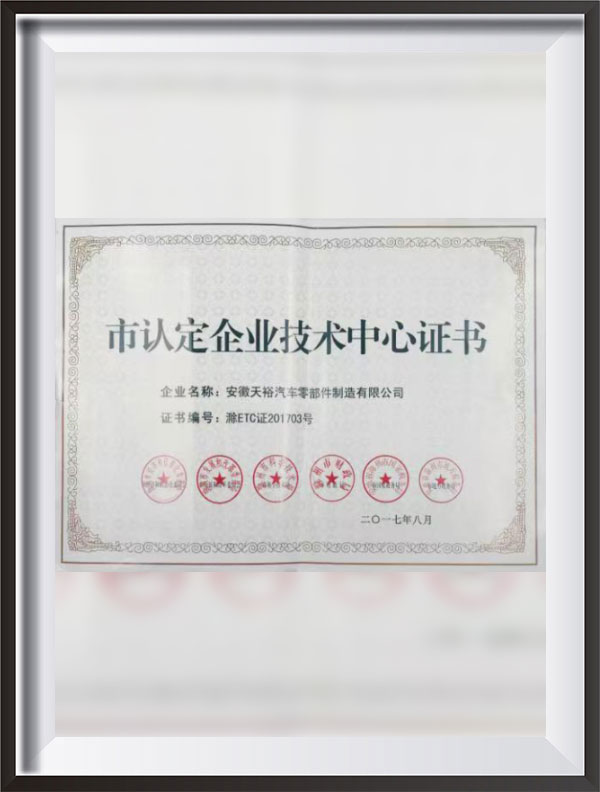
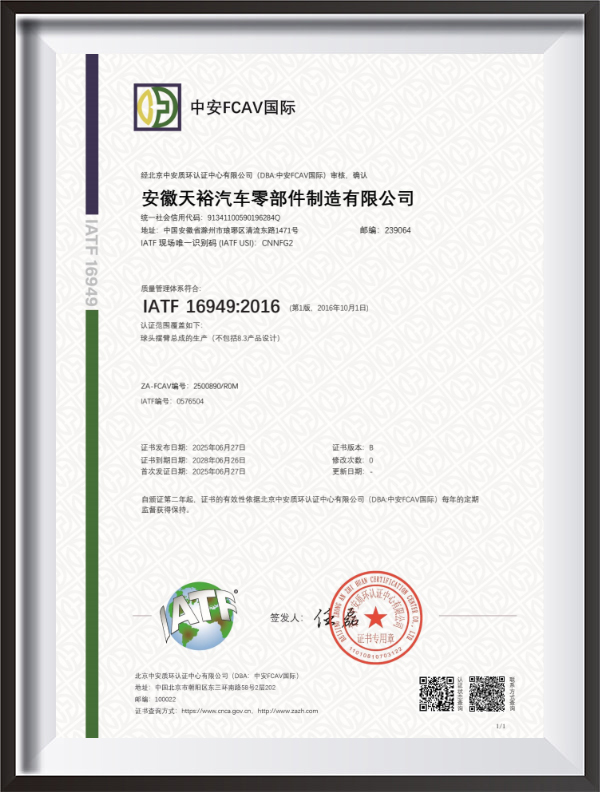
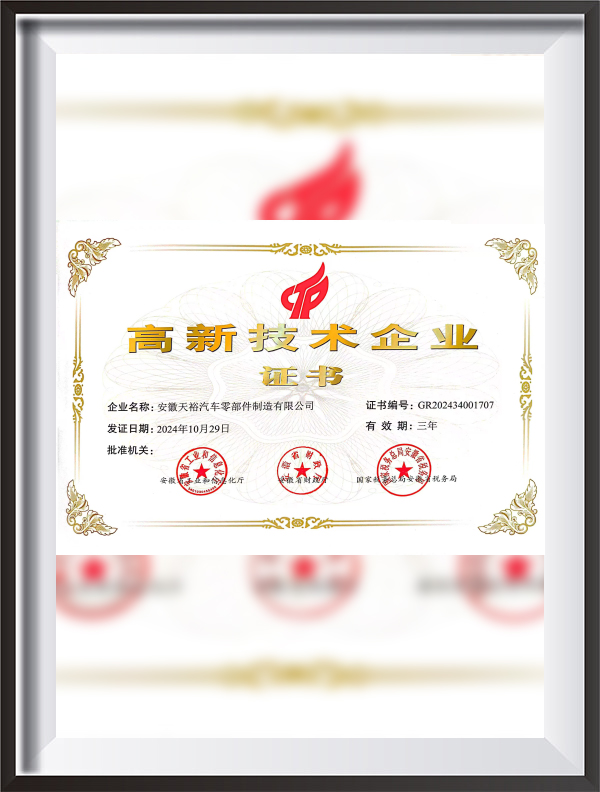
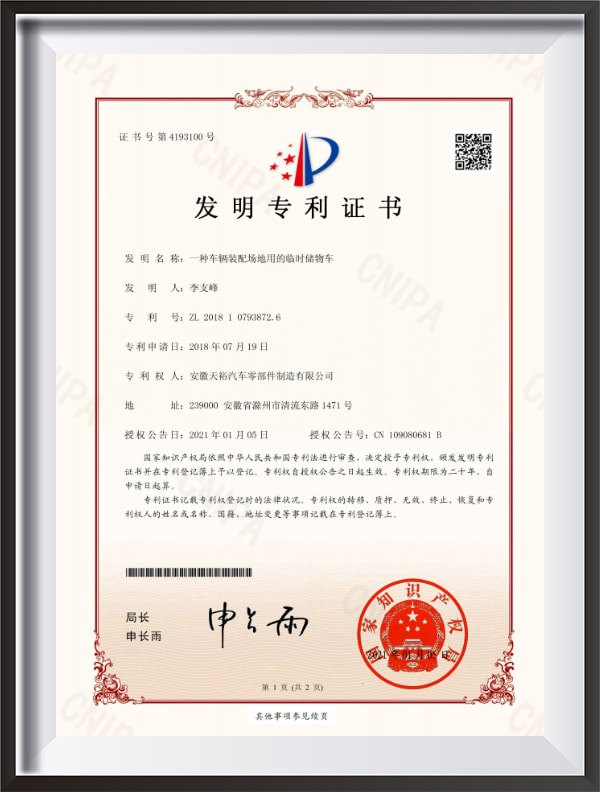
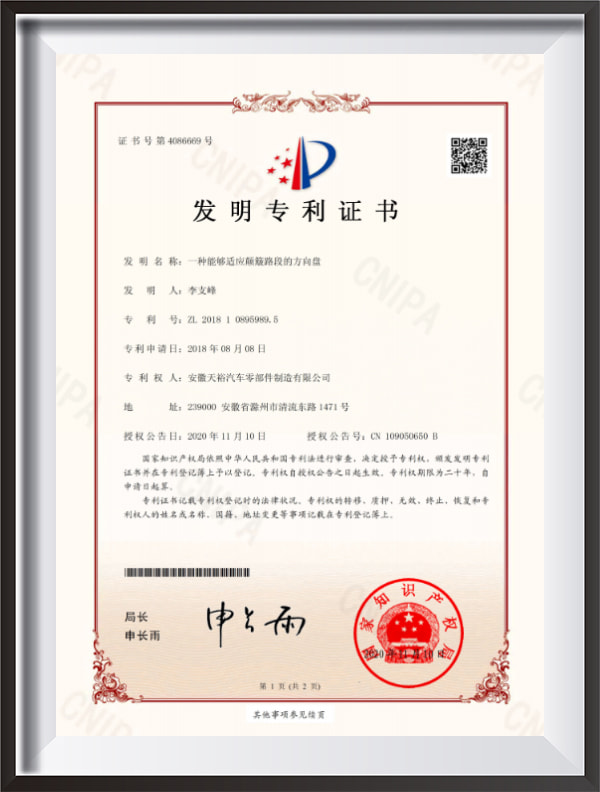
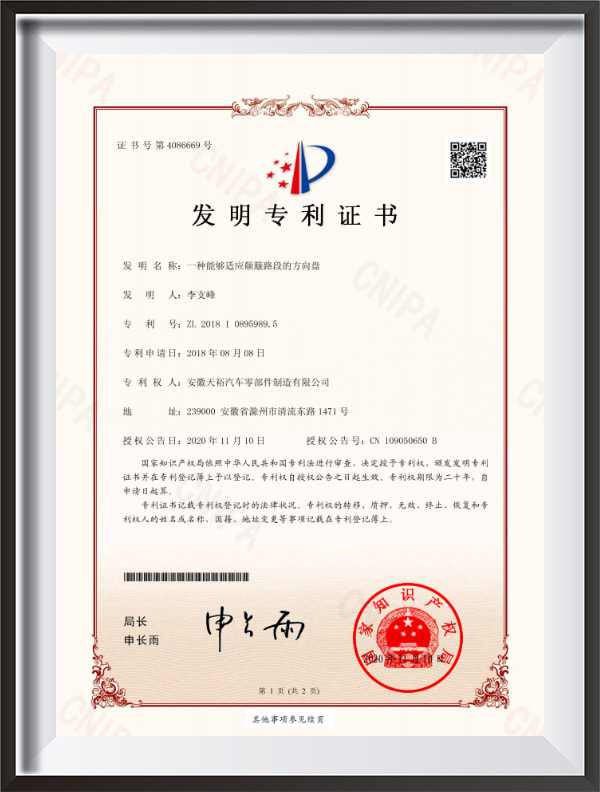
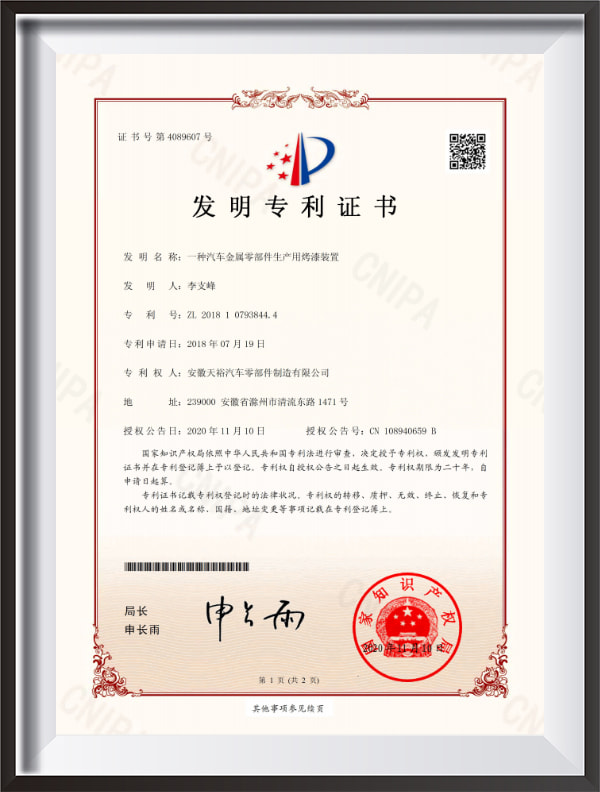
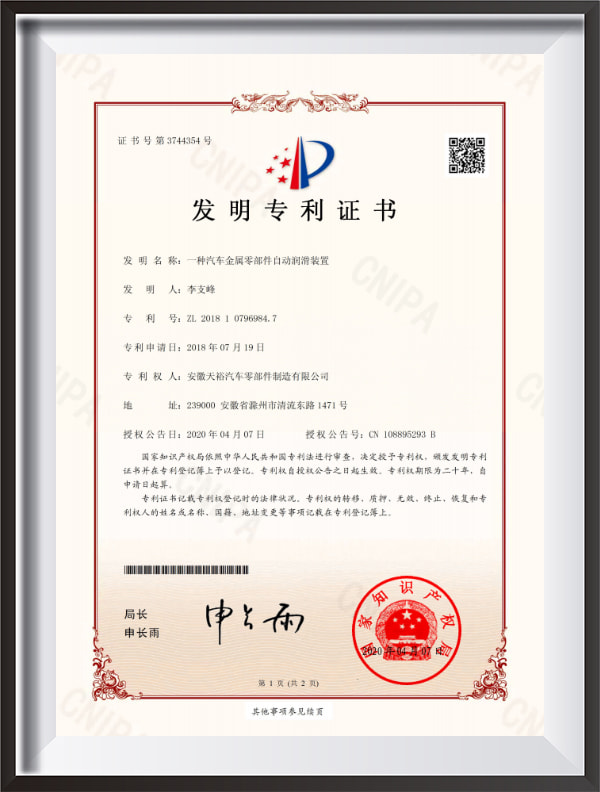
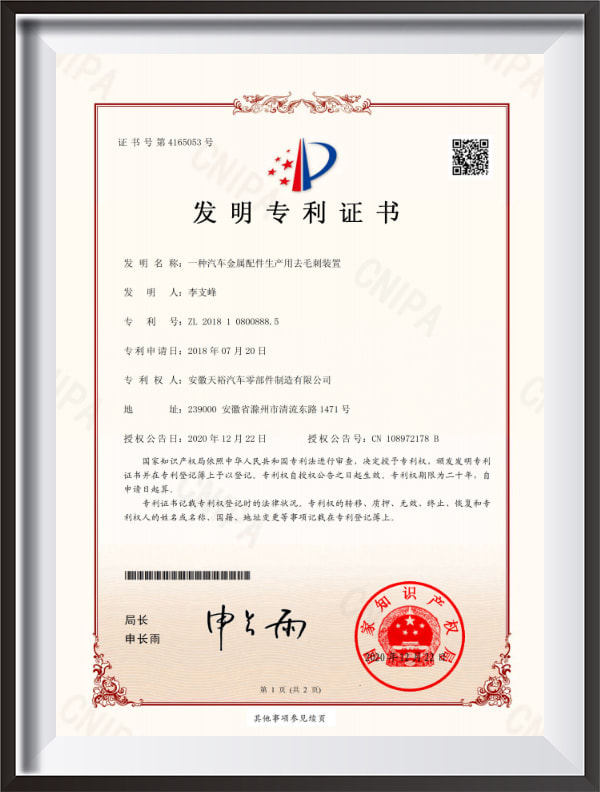
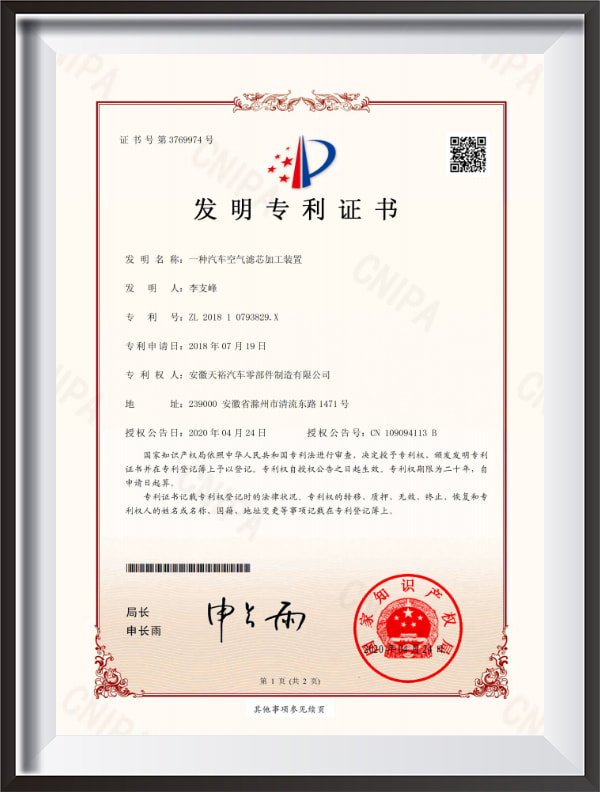
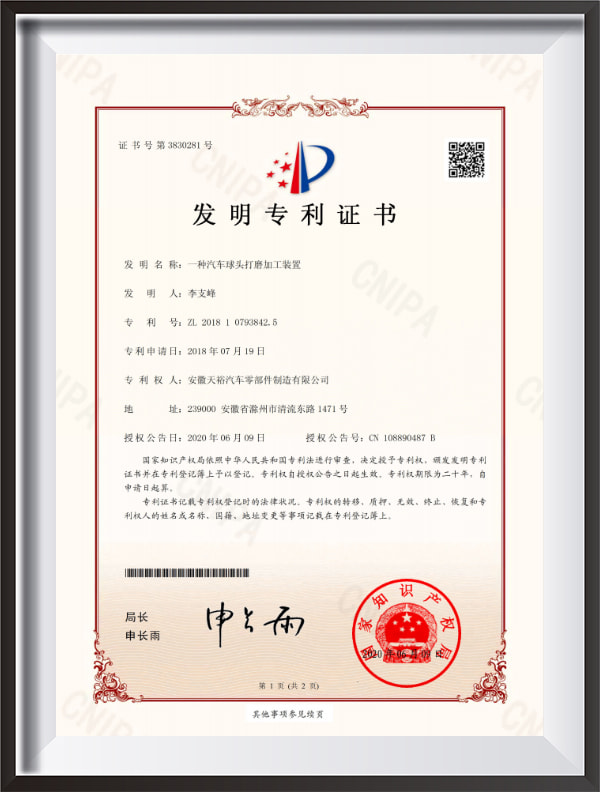
Honors Certifications
Tianyu is built on quality as its foundation and innovation as its driving force, continuously improving through practice.
News& Events
Stay updated on Tianyu's technological developments and exhibition schedules to receive product and partnership information.
-
2026-03-13
 Industry News
How to Tell If Your Stabilizer Link Needs Replacement
View More -
2026-01-04
Industry News
What is the relationship between Auto Stabilizer Link and Sway Bar?
View More -
2025-12-24
Industry News
What is an auto stabilizer link, and what role does it play in a car's suspension system?
View More -
2025-12-10
Industry News
What You Need to Know About Suspension Maintenance for Older Vehicles?
View More
-



-
Quick Links
About Us Products Capabilities Support News & Events Contact Us -
Product Range
Rack End Tie Rod End Stabilizer Link Control Arm Ball Joint -
Address
No. 1471, Qingliu East Road, Chuzhou City, Anhui Province, China
Copyright ©2025 Anhui Tianyu Auto Parts Manufacturing Co., Ltd. All Rights Reserved
China Auto Stabilizer Link Manufacturers
Wholesale Auto Stabilizer Link Factory
