

 English
 中文简体
中文简体
 Español
 عربى
عربى

Specification
| Component | Specification Details |
| Rod End Type | Male or Female, LH or RH Thread, Precision or Commercial Grade |
| Thread Size & Pitch | Common: 3/8"-24, 1/2"-20, M10x1.25, M12x1.25, etc. |
| Rod Material | Cold-rolled Steel, 4130 Chromoly, Stainless Steel, Aluminum |
| Rod Diameter | Typically 3/8" to 3/4" (10mm to 20mm) |
| Overall Length Range | Adjustable, from 6 inches to 36 inches or more |
| Bearing Type | Metal-on-Metal, PTFE-lined, Self-lubricating Composite |
| Load Rating | Dynamic & Static Loads specified (e.g., 5000 lbf Dynamic) |
| Included Hardware | Jam Nuts (2), Thread Protectors, sometimes Boots |
Applications
Rod end assemblies have widespread use in high-performance and custom mechanical systems. In automotive racing, they are essential for adjustable suspension links (toe rods, traction bars), steering linkages (rack extensions, center links), and throttle/shift linkages. Their adjustability allows for precise geometry tuning for optimal handling.
In off-road vehicles, heavy-duty rod end assemblies are used for steering stabilizer links, panhard bars, and custom suspension links to withstand extreme articulation and impacts. Beyond automotive, they are fundamental in aerospace for flight control linkages, in industrial automation for actuator and robot arm linkages, and in marine applications for steering and throttle control. They are also used in prototype machinery and custom fabrication projects where a strong, adjustable, and reliable linkage is required.
Advantages
- Pre-Adjusted and Ready to Install: Saves time and ensures correct initial setup compared to assembling components from scratch.
- Precise Length Adjustability: The left-hand/right-hand threaded rod allows for fine-tuning of the assembly length without disconnecting the ends, critical for alignment and setup.
- High Misalignment Capability: The spherical bearing accommodates angular errors and movement in multiple planes, reducing binding and wear.
- High Strength and Durability: Constructed from high-grade materials to handle significant dynamic loads and shock forces.
- Simplified Inventory and Procurement: Buying a complete assembly ensures all parts are compatible and reduces the number of individual part numbers to manage.
- Versatility in Design: Available in various materials, sizes, and bearing types to suit a wide range of applications and environments.
Materials and Structure
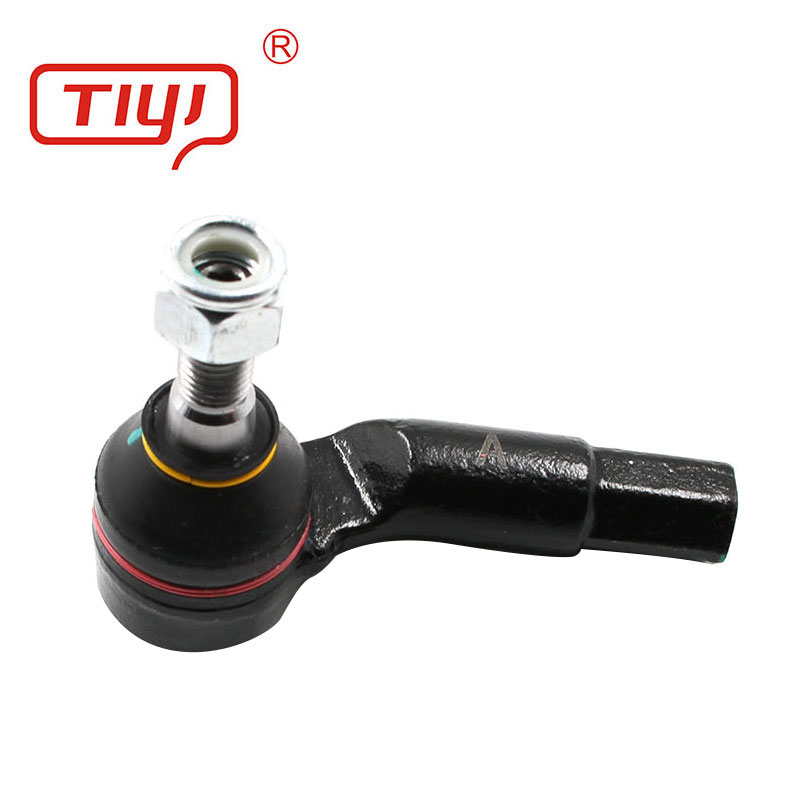
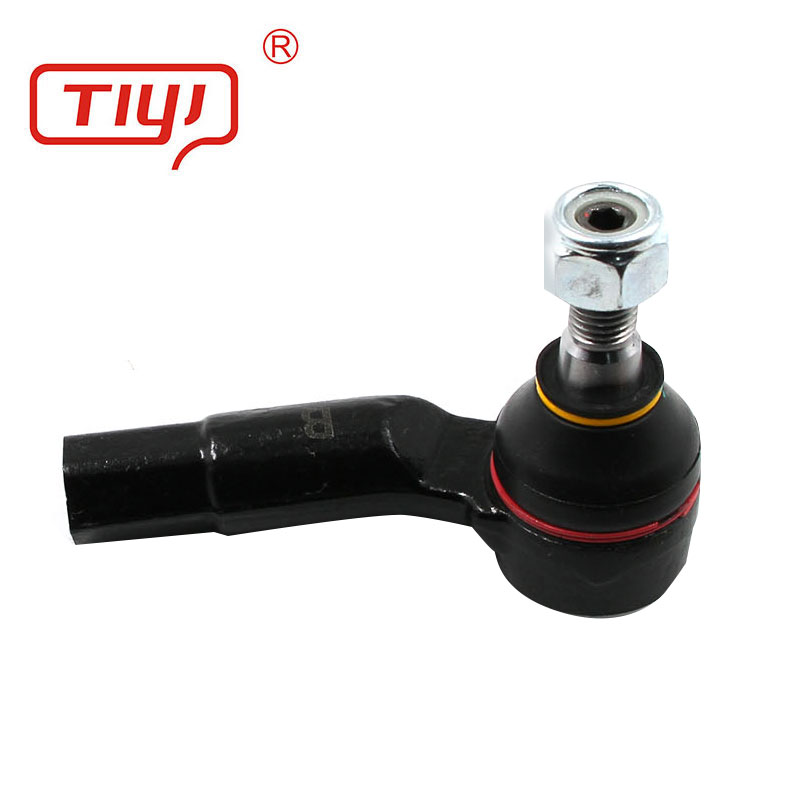
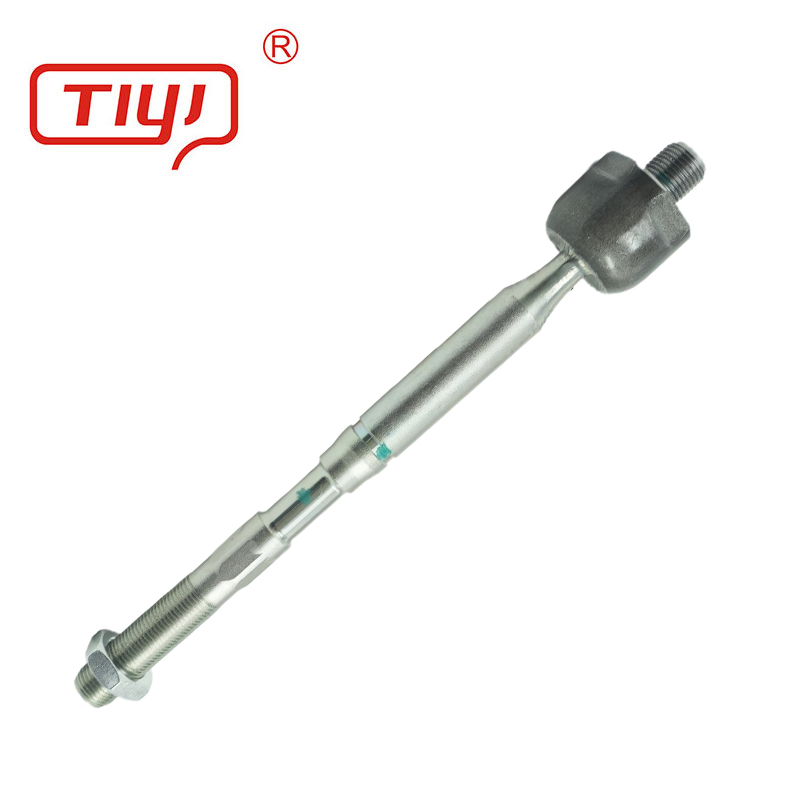
A typical rod end assembly consists of a connecting rod (a tube or solid bar) with left-hand threads on one end and right-hand threads on the other. This rod is usually made from cold-rolled steel for general use, or from 4130 chromoly or stainless steel for higher strength and corrosion resistance. The rod ends are screwed onto the rod and secured with jam nuts.
The rod ends themselves have a housing (body) made of steel, stainless steel, or aluminum, with a precision-ground spherical ball stud inside. The bearing interface can be metal-on-metal (hardened steel) for high load and temperature resistance, or lined with PTFE or a composite material for low friction and maintenance-free operation. The assembly is designed so that rotating the center rod changes the overall length, allowing for precise adjustment while the rod ends remain attached to their mounting points.